

Oily Chimney Smells: Your Complete FAQ Guide
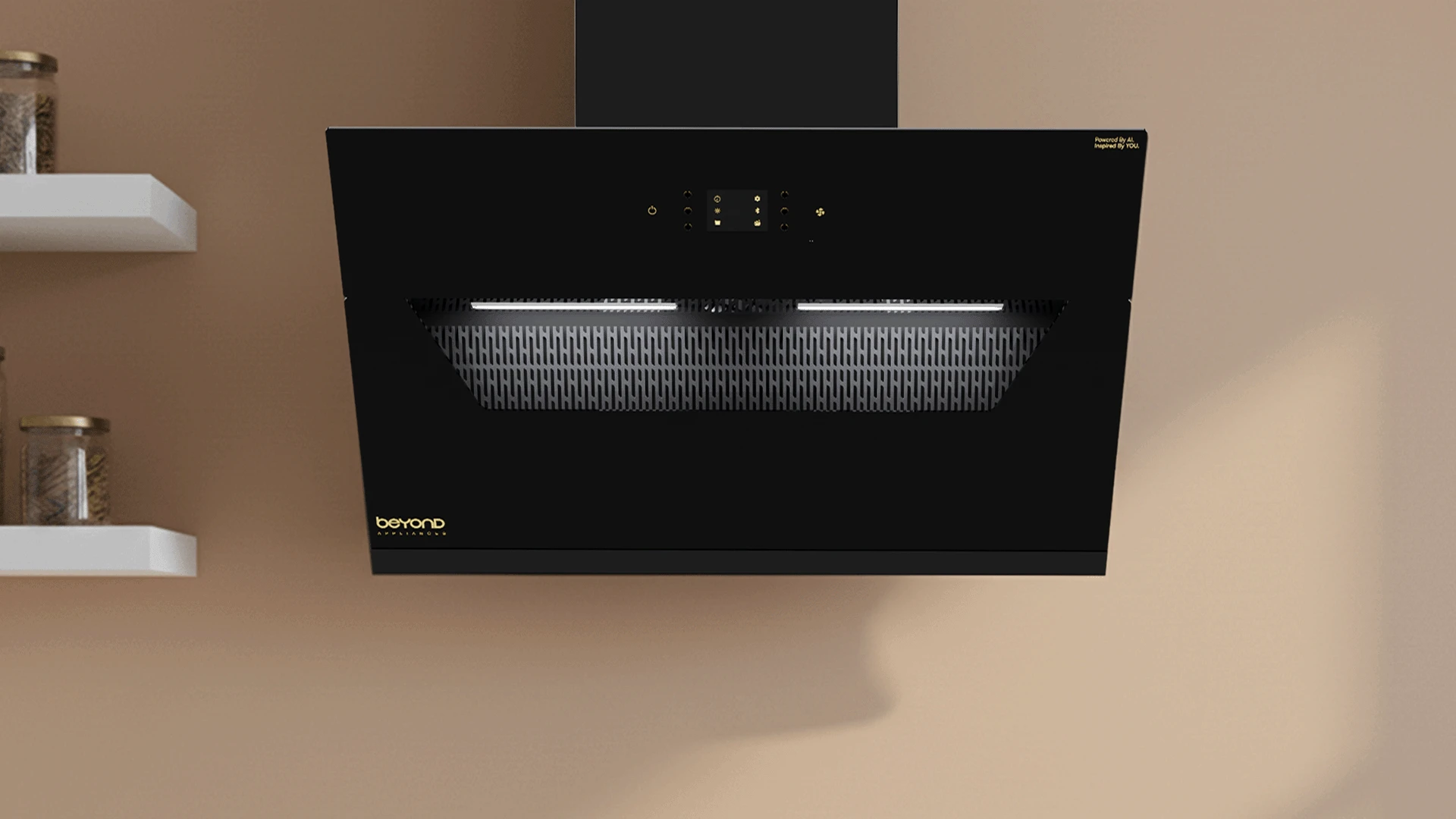
Oily smells coming from your chimney can turn your cozy home into an unpleasant environment. These odors often indicate underlying issues that need immediate attention. Understanding what causes these smells helps you address them quickly and effectively. Whether you're dealing with a faint oily scent or a strong petroleum-like odor, identifying the root cause is the first step toward a solution. Modern kitchen chimneys and fireplace systems require proper maintenance to prevent these issues from developing.
Oily chimney smells typically stem from several key sources that homeowners should recognize. The most common cause is creosote buildup, which creates a tar-like odor that intensifies during humid weather. This substance forms when wood burns incompletely, leaving behind sticky residues that coat your chimney walls.
Creosote buildup ranks as the leading cause of oily fireplace smells. This black, tar-like substance accumulates over time and becomes more noticeable during summer months when humidity levels rise. The moisture activates dormant creosote, releasing strong petroleum-like odors throughout your home. Poor ventilation also contributes to oily chimney odors. When your chimney lacks proper airflow, combustion byproducts linger longer than they should. This creates ideal conditions for odor-causing compounds to settle and concentrate within the chimney structure.
Summer months often intensify oily chimney smells due to increased humidity and atmospheric pressure changes. High humidity activates creosote deposits, while downdrafts can push odors back into your living space. Temperature inversions during certain weather patterns can also trap odors near ground level. Winter usage patterns affect odor development too. Burning wet or treated wood creates more creosote than properly seasoned hardwood. Using inappropriate fuel sources leads to incomplete combustion and increased residue buildup.
Creosote forms through incomplete wood combustion and appears in three distinct stages. Stage one creosote looks like brown or black soot and brushes away easily during cleaning. Stage two becomes more tar-like and sticky, requiring specialized tools for removal. Stage three creosote hardens into a shiny, rock-like substance that poses serious fire hazards.
The chemical composition of creosote includes numerous volatile organic compounds that produce strong oily smells. These compounds become more active when exposed to moisture or temperature changes. Even small amounts of creosote can generate noticeable odors throughout your home. Proper wood burning techniques significantly reduce creosote formation. Burning only seasoned hardwood with moisture content below 20% minimizes creosote production. Maintaining proper air supply and burning hot fires also helps prevent excessive buildup.
Moisture infiltration creates ideal conditions for odor development in chimney systems. Water entering through damaged chimney caps, cracked mortar, or missing flashing activates existing creosote deposits. This moisture also promotes mold and mildew growth, adding musty odors to the oily smell. Poor chimney draft affects odor control significantly. Blocked or damaged dampers prevent proper ventilation, allowing odors to accumulate. Inadequate chimney height or nearby obstructions can also create downdraft conditions that push smells back into your home.
Damaged chimney liners allow odors to penetrate surrounding masonry and enter living spaces through unexpected routes. Cracked or deteriorated liners also create safety hazards by allowing combustion gases to escape into wall cavities. Improper chimney sizing for your heating appliance can cause incomplete combustion and increased odor production. Oversized chimneys cool combustion gases too quickly, while undersized ones restrict proper airflow.
Professional chimney cleaning provides the most effective solution for eliminating oily odors caused by creosote buildup. Certified technicians use specialized equipment to remove all stages of creosote safely and thoroughly. This process typically costs between INR 3,000 to INR 8,000 depending on chimney condition and accessibility. Improving ventilation helps prevent future odor problems. Installing or repairing chimney caps, dampers, and screens creates better airflow while keeping moisture and debris out. Proper ventilation also ensures complete combustion, reducing creosote formation.
Regular maintenance between professional cleanings helps control minor odor issues. Removing ashes promptly after each use prevents odor absorption into surrounding materials. Keeping the damper closed when not using your fireplace also prevents downdrafts from bringing odors into living spaces. Using proper burning techniques reduces odor-causing residue formation. Burn only seasoned hardwood, maintain adequate air supply, and avoid smoldering fires that produce excessive smoke and creosote.
Regular professional inspections identify potential odor sources before they become major problems. Annual chimney inspections cost between INR 2,000 to INR 5,000 and help maintain optimal performance. These inspections catch structural issues, blockages, and early creosote buildup. Proper fuel selection plays a crucial role in odor prevention. Use only well-seasoned hardwood with moisture content below 20%. Avoid burning treated lumber, cardboard, or other materials that produce excessive creosote and toxic fumes.
Spring maintenance should include chimney cap inspection and cleaning. Remove any debris, check for animal nests, and ensure proper screen installation. This prevents moisture infiltration during summer months when humidity levels rise. Fall preparation involves thorough cleaning and inspection before heating season begins. Test damper operation, check for structural damage, and ensure adequate ventilation. Proper preparation prevents odor problems throughout the burning season.
Summer humidity activates dormant creosote deposits in your chimney, releasing oily odors. High atmospheric pressure and temperature inversions can also push these smells back into your home through downdrafts.
Oily chimney odors often indicate creosote buildup, which poses serious fire hazards. Heavy creosote accumulation can ignite and cause chimney fires. These odors may also signal ventilation problems that could lead to carbon monoxide exposure.
Professional chimney cleaning typically costs between INR 3,000 to INR 8,000, depending on chimney condition, accessibility, and required services. Complex cleanings involving heavy creosote removal may cost more.
Minor odor issues may respond to improved ventilation and proper burning techniques. However, significant creosote buildup requires professional removal for safety reasons. DIY cleaning attempts can be dangerous and ineffective for heavy accumulations.
Most chimneys need professional cleaning annually or after every cord of wood burned. Heavy users may require more frequent cleaning. Regular maintenance prevents excessive creosote buildup and associated odor problems.
Downdrafts can pull odors from creosote deposits back into your living space. Damaged or improperly functioning dampers allow these odors to enter your home even when the fireplace isn't being used.
Oily chimney smells typically indicate creosote buildup or ventilation problems that require prompt attention. Professional cleaning provides the most effective solution for eliminating these odors safely. Regular maintenance, proper fuel selection, and adequate ventilation prevent most odor problems from developing. Understanding these causes helps you maintain a clean, safe, and odor-free chimney system year-round.
