

Multi vs Single Flame Burners: Complete Guide
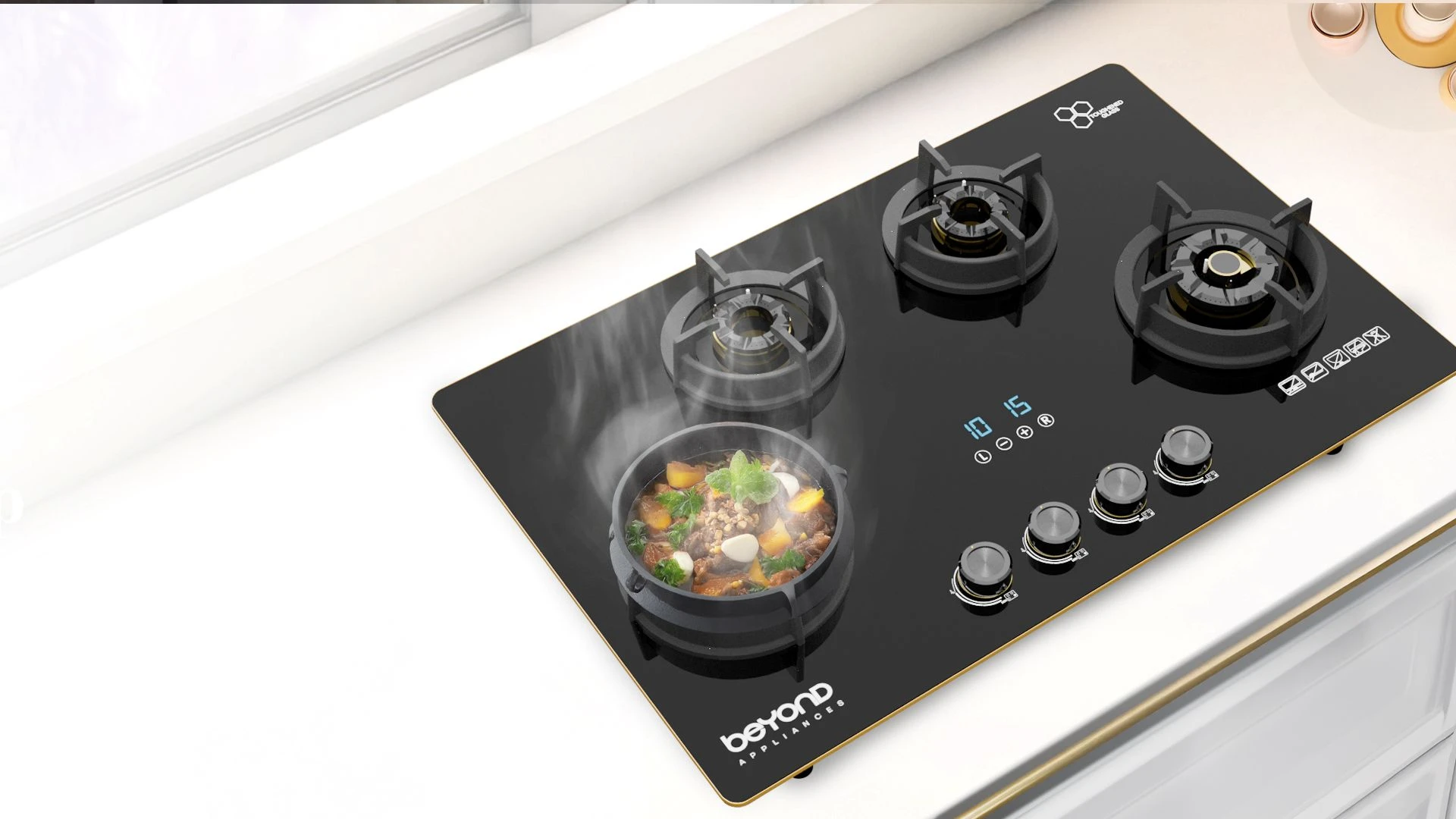
Choosing the right gas burner for your kitchen can transform your cooking experience. The debate between multi flame vs single flame burner options continues to puzzle homeowners and cooking enthusiasts alike. Understanding the fundamental differences between these stove burner types helps you make an informed decision that matches your cooking style, family size, and kitchen requirements. Modern gas stove tops offer various configurations, each designed to optimize gas burner efficiency and enhance your culinary adventures.
The core difference between multi flame burner and single flame burner systems lies in their flame distribution patterns. A single flame burner produces one central flame that radiates heat outward from the center. This traditional design has served kitchens for decades with reliable performance and straightforward operation.
A multi flame burner features multiple flame rings or ports arranged in concentric circles. This design creates several flame zones that distribute heat more evenly across the cookware base. The outer flames complement the inner flame, reducing hot spots and improving overall cooking performance.
The single flame burner maintains a simpler construction with one central flame port. Heat spreads naturally from the center outward, creating a gradual temperature gradient. This design works exceptionally well for smaller cookware and precise temperature control applications.
Multi flame burners excel in several key areas that matter most to serious home cooks. The enhanced heat distribution significantly improves cooking with gas efficiency and reduces overall cooking times.
The multiple flame rings ensure uniform heat coverage across larger cookware surfaces. This eliminates the common problem of food cooking faster in the center while remaining undercooked around the edges. Professional chefs particularly appreciate this consistency for techniques requiring even heating.
With more flame coverage, multi flame burner systems heat cookware faster than traditional single flame designs. The increased surface area contact between flames and cookware base translates to quicker temperature rises and reduced energy consumption per cooking session.
Advanced flame control mechanisms in multi flame burners allow independent adjustment of inner and outer flame rings. This flexibility enables precise temperature management for complex cooking techniques that require varying heat zones within the same pan.
Single flame burners offer distinct advantages that make them ideal for specific cooking scenarios and budget-conscious consumers. Their simplicity translates into practical benefits that many households find appealing.
The straightforward design of single flame burner systems typically costs less to manufacture and purchase. This makes them an excellent choice for budget-friendly kitchen burner upgrades or first-time homeowners establishing their cooking spaces.
Fewer components mean easier cleaning and maintenance routines. The single flame port design reduces the number of areas where food particles and grease can accumulate. This simplicity extends the burner's lifespan and reduces service requirements.
Single flame burners excel at maintaining very low heat settings for delicate cooking tasks. The concentrated flame allows for precise control when simmering sauces, melting chocolate, or preparing temperature-sensitive dishes that require gentle heating.
A detailed burner comparison reveals how each design performs across different cooking scenarios. Understanding these performance differences helps match the right burner type to your specific cooking needs and preferences.
Multi flame burners typically deliver higher BTU ratings due to their increased flame surface area. Most models range from 12,000 to 18,000 BTUs, while single flame burners usually operate between 8,000 to 12,000 BTUs. This difference significantly impacts cooking speed for high-heat applications.
Gas burner efficiency varies between designs based on heat transfer effectiveness. Multi flame burners often achieve better efficiency ratings because more flame surface contacts the cookware directly. However, single flame burners can be more efficient for smaller pots and pans that don't require extensive heat coverage.
Larger cookware benefits significantly from multi flame distribution, while smaller pots and pans perform equally well on both burner types. The key consideration involves matching cookware size to flame coverage for optimal heat transfer and cooking results.
Choosing between stove burner types requires careful consideration of your cooking habits, family size, and kitchen layout. The right gas stove top configuration enhances your cooking experience while providing long-term value and satisfaction.
Frequent entertainers and large family cooks benefit most from multi flame burners due to their faster heating and better heat distribution. Single flame burners suit households that primarily prepare simple meals or focus on precise temperature control for specialized cooking techniques.
Available counter space and ventilation requirements influence burner selection. Multi flame burners often require slightly more clearance due to their larger flame spread, while single flame burners work well in compact kitchen designs with limited space.
Initial purchase price differences between burner types typically range from INR 2,000 to INR 8,000 depending on features and brand quality. Consider long-term energy savings and cooking efficiency when evaluating overall value propositions.
Proper installation and regular maintenance ensure optimal burner performance regardless of the chosen design. Understanding these requirements helps maintain safety standards and extends equipment lifespan.
Both burner types require professional installation to meet safety codes and warranty requirements. Gas line connections, ventilation clearances, and electrical connections must comply with local building standards for safe operation.
Regular cleaning prevents grease buildup and maintains proper flame patterns. Multi flame burners require attention to multiple flame ports, while single flame burners need focused cleaning of the central port area. Monthly deep cleaning maintains optimal performance for both designs.
Multi flame burners generally cook food faster due to their increased heat coverage and higher BTU output. The multiple flame rings heat cookware more evenly and quickly compared to single flame designs.
Operating costs depend on usage patterns rather than burner type. Multi flame burners may use slightly more gas at maximum output, but their efficiency often results in shorter cooking times and comparable overall consumption.
Converting between burner types typically requires replacing the entire burner assembly and may need gas line modifications. Professional consultation ensures compatibility with existing gas stove top infrastructure.
Multi flame burners excel with larger pots and pans (8 inches and above), while single flame burners work well with smaller cookware (6 inches and below). Heavy-bottomed cookware performs well with both designs.
Uneven flame patterns, difficulty lighting, yellow flames instead of blue, or reduced heat output indicate potential burner problems requiring professional inspection or replacement.
Professional cooks often prefer multi flame burners for their superior heat control and faster cooking capabilities, especially when preparing multiple dishes simultaneously or working with larger cookware.
The choice between multi flame vs single flame burner systems ultimately depends on your specific cooking needs, budget, and kitchen requirements. Multi flame burners offer superior performance for frequent cooking, larger families, and those who prioritize speed and even heating. Single flame burners provide excellent value for budget-conscious consumers, smaller households, and those who appreciate simplicity in their cooking with gas experience. Consider your long-term cooking goals, available space, and maintenance preferences when making this important kitchen investment decision.
