

Mesh Filters: How Long Do They Really Last?
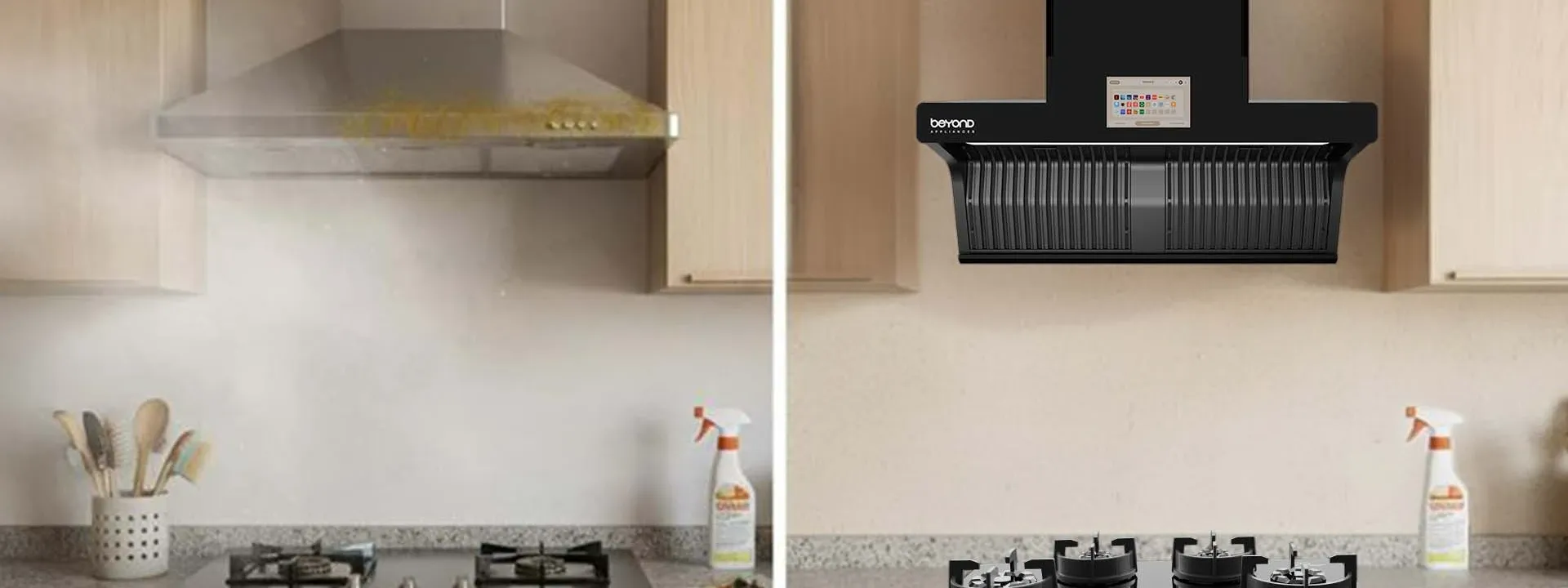
Mesh filters are the unsung heroes of modern kitchens, quietly working to keep your cooking space clean and healthy. But if you're someone who loves to cook daily or runs a busy household kitchen, you've probably wondered: can mesh filters last long with heavy cooking? The answer isn't as straightforward as you might think. Heavy cooking puts significant stress on these filters, but with the right knowledge and care, you can maximize their lifespan while maintaining optimal performance. Understanding how long your mesh filters will really last helps you plan better, save money, and keep your kitchen air quality at its best.
Heavy cooking typically means using your kitchen for more than three hours daily, involving high-heat cooking methods like frying, grilling, or sautéing. This type of cooking generates more grease, smoke, and airborne particles than light cooking activities. The mesh filter lifespan in such conditions differs dramatically from occasional cooking scenarios. In moderate-use kitchens, quality mesh filters can last anywhere from 12 to 24 months. However, with heavy cooking, this timeframe shrinks to 6-12 months for the same filters. The key difference lies in the volume of grease and particles these filters must capture daily. Heavy cooking accelerates the clogging process and puts more stress on the filter material.
Investing in quality mesh filters proves more economical than frequent replacements of cheaper alternatives. A premium stainless steel mesh filter costing INR 2,000 that lasts 18 months offers better value than a INR 800 filter requiring replacement every 6 months.
As filters accumulate grease and particles, their efficiency gradually decreases. A well-maintained mesh filter retains 85-90% of its original efficiency throughout its lifespan, while neglected filters may drop to 60% efficiency within months.
The material composition of your mesh filter directly impacts its durability and longevity. Different metals respond differently to the harsh environment of heavy cooking, making material selection crucial for long-term performance. Stainless steel mesh filters lead in durability due to their corrosion resistance and heat tolerance. They can withstand temperatures up to 400°C without warping or degrading. The chromium content in stainless steel creates a protective oxide layer that prevents rust and corrosion, even when exposed to acidic cooking vapors. Aluminum mesh filters offer a lighter alternative but come with trade-offs in longevity. While they resist corrosion better than regular steel, they're more susceptible to damage from harsh cleaning chemicals and high temperatures. Aluminum filters work well for moderate cooking but may struggle with intensive daily use.
Fine mesh filters capture smaller particles more effectively but clog faster than coarse mesh alternatives. The ideal balance depends on your cooking style and maintenance commitment.
Welded mesh construction outlasts crimped or glued alternatives. Quality welding prevents mesh separation and maintains structural integrity under stress. Look for reinforced edges and sturdy frame construction when selecting filters.
Proper filter cleaning methods can double or triple your mesh filter's effective lifespan. Regular maintenance prevents permanent grease buildup and maintains optimal airflow performance. The most effective cleaning approach involves a multi-step process. Start by removing loose debris with warm water rinse. Create a degreasing solution using dish soap and hot water, allowing the filter to soak for 15-20 minutes. For stubborn grease, apply a baking soda paste and let it work for 10 minutes before scrubbing gently with a soft brush.
Remove the filter and rinse with hot water to remove surface grease. Prepare a cleaning solution using 2 tablespoons of dish soap per liter of hot water. Soak the filter for 20 minutes, then scrub gently with a soft-bristled brush.
For heavy cooking situations, monthly deep cleaning prevents permanent damage. Use specialized degreasing agents designed for kitchen equipment. Steam cleaning can remove embedded particles that regular washing misses.
Most stainless steel mesh filters are dishwasher-safe when placed on the bottom rack. Use normal wash cycle with standard detergent, but avoid heated dry cycles that may cause warping.
Effective kitchen filter maintenance requires a systematic approach that addresses both daily care and long-term preservation. Heavy cooking demands more frequent attention but rewards you with extended filter life and better performance. Daily maintenance takes just a few minutes but makes a significant difference. After cooking, allow the filter to cool, then wipe external surfaces with a damp cloth. Check for visible grease accumulation and note any changes in airflow or noise levels from your chimney system. Weekly maintenance involves more thorough cleaning and inspection. Remove the filter completely and examine it for damage, excessive grease buildup, or clogging. Clean according to the methods outlined above, ensuring complete drying before reinstallation.
Every three months, perform comprehensive maintenance including detailed inspection for wear patterns, professional-grade cleaning, and performance testing. Document the filter's condition to track degradation over time.
Protect your filters from unnecessary stress by controlling kitchen humidity and ensuring proper ventilation timing. Start your chimney before cooking begins and let it run for several minutes after finishing.
Extending filter life involves both proper maintenance and smart cooking practices. Small changes in how you cook and care for your equipment can significantly impact filter longevity. Cooking technique modifications play a crucial role in filter preservation. Use appropriate heat levels for different cooking methods, as excessive heat generates more grease vapor than necessary. Cover pans when possible to reduce splatter, and position cookware properly under the chimney for optimal capture. Ventilation timing affects filter workload significantly. Start your chimney 2-3 minutes before cooking to establish proper airflow. Continue running it for 5-10 minutes after cooking to clear residual vapors and particles.
For heavy cooking households, consider using multiple filter sets in rotation. While one filter operates, the other can be thoroughly cleaned and dried, ensuring optimal performance at all times.
When possible, group high-grease cooking activities together to minimize filter stress periods. This approach allows for more efficient cleaning schedules and better filter preservation.
Even the best-maintained mesh filters eventually require replacement. Recognizing when filter replacement frequency needs adjustment helps maintain optimal kitchen air quality and chimney performance. Structural damage represents the clearest replacement indicator. Look for tears, holes, bent mesh sections, or frame damage that cleaning cannot address. These issues compromise filtration efficiency and may allow grease to reach your chimney's internal components. Persistent odors after thorough cleaning suggest that grease has permanently embedded in the filter material. When professional cleaning methods fail to eliminate cooking smells, replacement becomes necessary for maintaining healthy kitchen filters.
Noticeable airflow reduction, even after cleaning, indicates filter degradation. Measure this by observing how quickly steam or smoke clears during cooking compared to the filter's early performance.
When cleaning time exceeds 45 minutes per session or requires expensive cleaning products, replacement may be more economical than continued maintenance.
For heavy daily cooking, clean your mesh filter weekly with thorough degreasing. Perform quick daily maintenance by wiping external surfaces and checking for visible grease buildup.
Quality stainless steel mesh filters can handle intensive home cooking, but their lifespan will be shorter than with moderate use. Expect 6-12 months instead of 12-24 months with proper maintenance.
Stainless steel offers the best durability, lasting 2-5 years with proper care. Aluminum filters typically last 1-3 years, while hybrid materials fall between these ranges.
Signs include lingering cooking odors, visible grease on nearby surfaces, reduced chimney performance, and increased noise from your ventilation system.
Yes, premium filters offer better metal filter longevity and maintain efficiency longer, providing superior value despite higher initial costs.
Minor damage like small tears can sometimes be repaired, but significant damage compromises filtration efficiency. Replacement is usually more cost-effective than attempted repairs.
Mesh filters can indeed last long with heavy cooking when properly maintained and selected. Quality stainless steel filters combined with regular cleaning and smart cooking practices provide the best longevity. Remember that investing in premium filters and maintaining them properly costs less than frequent replacements of cheaper alternatives. Monitor your filter's performance regularly, clean it systematically, and replace it when maintenance no longer restores full functionality. With these strategies, your mesh filters will serve your busy kitchen effectively while maintaining excellent air quality.
