

Mastering Chimney Placement for Peak Home Efficiency
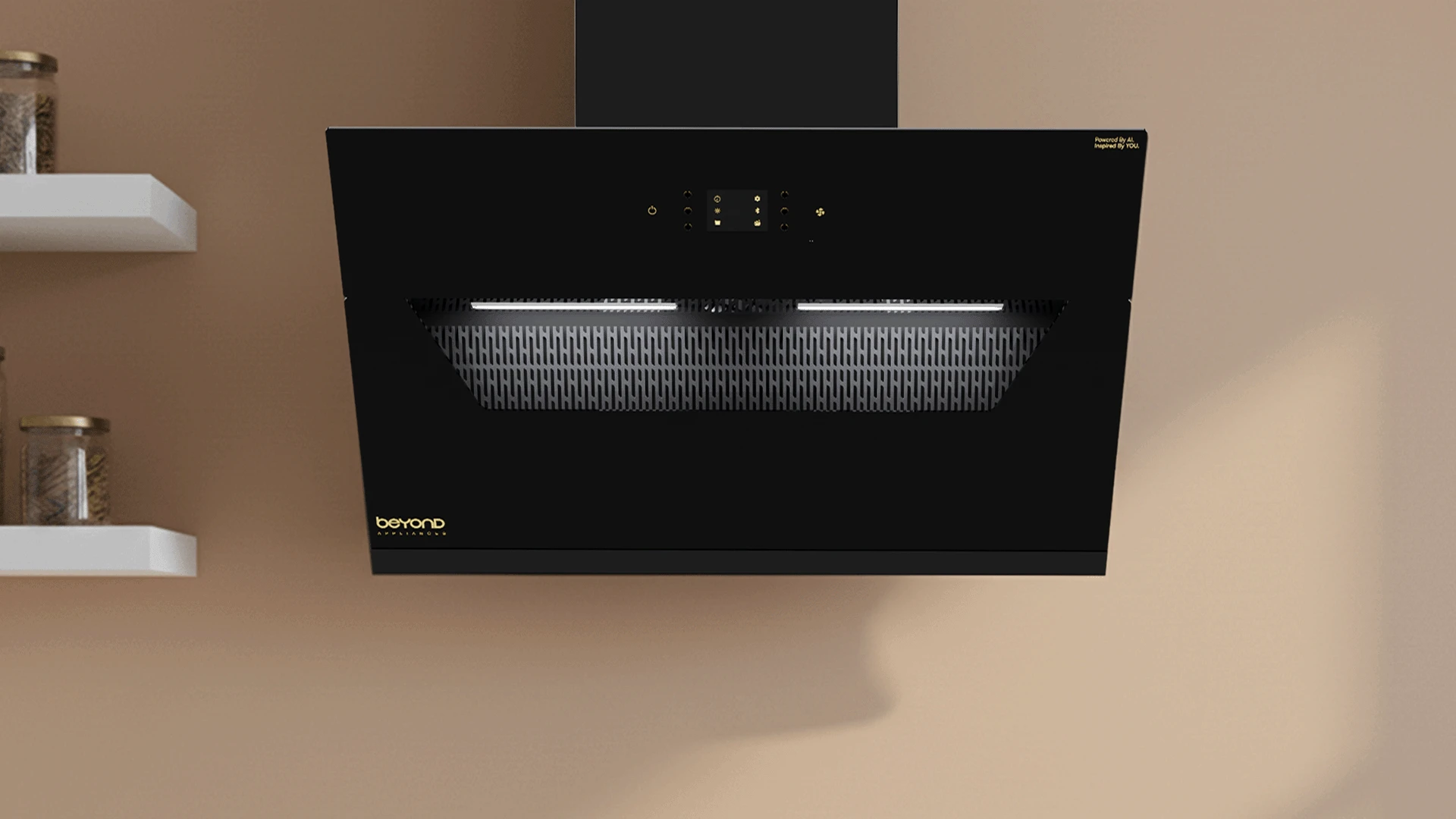
The way you position your chimney can make or break your home's heating efficiency. Many homeowners don't realize that how chimney placement affects efficiency goes far beyond just following basic building codes. Poor placement can increase your heating costs by up to 30% while creating safety hazards and comfort issues. Smart placement, on the other hand, maximizes heat output, improves indoor air quality, and reduces fuel consumption. Whether you're planning a new installation or evaluating your current setup, understanding the science behind optimal positioning will help you make informed decisions that benefit your home for years to come.
The physics of chimney efficiency centers around natural draft principles and thermal dynamics. When hot gases rise through your chimney, they create what's called the stack effect - a natural pressure difference that pulls fresh air into your fireplace or stove. The stronger this effect, the better your house ventilation and heating performance. Temperature differences between indoor and outdoor air drive this process. A well-placed chimney maintains consistent temperatures throughout its length, creating steady airflow patterns. Poor placement disrupts these patterns, leading to weak draft, smoke problems, and reduced heat output. Studies show that optimal placement can improve heating efficiency by 15-25% compared to poorly positioned systems. The height and location of your chimney directly impact heat transfer mechanisms. Interior chimneys stay warmer longer, maintaining better draft throughout the burning cycle. Exterior chimneys lose heat faster to outside air, requiring more energy to maintain proper airflow. This difference affects fuel consumption rates significantly - interior placements typically use 10-20% less wood or gas to achieve the same heat output.
Several key elements determine whether your chimney location will deliver peak performance. Understanding these factors helps you avoid costly mistakes and ensures your system operates safely and efficiently.
The 3-2-10 rule forms the foundation of proper chimney height: your chimney must extend at least 3 feet above the roof penetration point and 2 feet higher than any roof surface within 10 feet. This prevents downdrafts and ensures adequate draft strength. Wind patterns around your home also influence placement - chimneys positioned on the windward side often perform better than those in wind shadow areas.
Placing chimneys too close to exterior walls increases heat loss and creates structural challenges. Interior placement minimizes heat loss while exterior placement offers easier installation and maintenance access. The trade-off between thermal efficiency and practical considerations varies by home design and climate conditions.
Interior chimneys typically deliver 15-20% better efficiency than exterior installations. They stay warmer, maintain stronger draft, and contribute more heat to your living space. However, exterior chimneys offer advantages in maintenance accessibility and don't consume interior floor space. Your choice depends on priorities: maximum efficiency versus convenience and cost.
Proper fireplace draft depends heavily on chimney positioning relative to your home's structure and airflow patterns. Strategic placement creates the pressure differentials needed for strong, consistent draw.
Chimney diameter and height calculations must account for your specific heating appliance and home layout. Undersized chimneys create weak draft, while oversized ones cool gases too quickly, reducing efficiency. The relationship between chimney cross-sectional area and height determines draft strength - taller chimneys can handle larger diameters while maintaining adequate velocity. Wood stove draft requires careful attention to air supply routes. Your chimney placement affects how replacement air enters your home. Chimneys positioned away from natural air infiltration points may create negative pressure, pulling conditioned air up the flue instead of outdoor air.
Homes with multiple levels create complex pressure patterns that affect chimney performance. Heat rises naturally, creating positive pressure on upper floors and negative pressure in basements. Central chimney placement often works better in multi-story homes, as it balances these pressure differences more effectively than peripheral positioning.
Kitchen ventilation systems can interact with chimney placement in ways that affect both cooking and heating efficiency. Understanding these interactions prevents conflicts that reduce performance.
Powerful range hoods can create negative pressure that interferes with chimney draft. This is especially problematic when kitchen exhaust fans operate simultaneously with fireplaces or wood stoves. Proper placement considers the location of kitchen ventilation relative to chimney positioning to minimize conflicts. Makeup air systems become crucial when coordinating multiple exhaust systems. Without adequate replacement air, kitchen fans can overpower chimney draft, causing smoke spillage and reduced heating efficiency.
Chimney placement directly affects indoor air quality by influencing how combustion byproducts exit your home. Well-positioned chimneys create consistent updraft that prevents backdrafting and ensures complete evacuation of smoke and gases. Poor placement can lead to spillage, creating health hazards and comfort problems. Moisture control also depends on proper placement. Chimneys that don't draft well allow humid combustion gases to condense inside the flue, leading to structural damage and efficiency loss.
Many heating efficiency problems stem from placement errors that could have been avoided with proper planning. These mistakes often require expensive corrections later. Inadequate height ranks as the most common error. Chimneys that barely meet minimum code requirements often struggle with draft, especially during mild weather when temperature differences are small. Adding height later costs significantly more than getting it right initially. Placement in negative pressure zones creates ongoing performance issues. Areas near large windows, doors, or mechanical equipment often experience pressure fluctuations that interfere with natural draft. These locations should be avoided when possible. Ignoring prevailing wind patterns leads to downdraft problems. Chimneys positioned where winds commonly blow down the flue struggle with consistent performance. Local weather patterns should influence placement decisions. Poor coordination with HVAC systems creates competing pressure effects. Forced air systems, especially those with return air ducts near chimneys, can disrupt natural draft patterns. The cost of correcting these conflicts often exceeds INR 50,000-100,000 in modifications.
Optimal chimney placement requires considering your specific climate, home design, and heating goals. Smart choices during the planning phase prevent problems and maximize long-term performance.
Cold climates benefit from interior chimney placement that captures more heat inside the building envelope. The thermal mass of an interior chimney continues radiating heat long after fires die down. In contrast, moderate climates might prioritize exterior placement for easier maintenance and reduced indoor heat during warm seasons. Regional building codes vary significantly, affecting placement options. Some areas require specific clearances or height adjustments based on local wind patterns or seismic considerations.
Balancing natural draft systems with forced air heating requires careful planning. Chimneys should complement, not compete with, your primary heating system. Smart placement allows both systems to operate efficiently without interference. Modern homes with tight construction need special attention to makeup air requirements. Chimney placement must account for how replacement air enters the home to maintain proper combustion air supply.
Complex homes or challenging sites often require professional evaluation to determine optimal chimney design and placement. Structural engineers can assess load-bearing requirements and identify potential conflicts early in the planning process. Permit requirements vary by location but typically require detailed plans showing chimney placement relative to property lines, structures, and utilities. Professional installers understand these requirements and can navigate the approval process efficiently. Cost-benefit analysis of different placement options should consider long-term operating costs, not just initial installation expenses. A more expensive interior installation might pay for itself through improved efficiency within 5-7 years. Warranty coverage often depends on proper installation according to manufacturer specifications. Professional installation ensures compliance and protects your investment.
Taller chimneys create stronger draft by increasing the temperature differential between indoor and outdoor air. Each additional foot of height can improve draft by 2-3%, but diminishing returns occur beyond optimal heights for your specific system.
Interior placement (completely within the building envelope) offers best efficiency. When exterior placement is necessary, minimize the distance outside - even 6 inches can reduce efficiency by 5-10% compared to interior installation.
Yes, poor placement can increase fuel consumption by 20-30% while reducing heat output. Weak draft forces you to burn more fuel to achieve the same heating results, significantly impacting operating costs.
Solutions include adding height, installing draft inducers, or modifying air supply routes. However, these fixes often cost more than proper initial placement and may not fully resolve efficiency issues.
Local building codes typically reference national standards like NFPA 211. These cover height requirements, clearances, and structural specifications. Always check local amendments that may impose additional requirements.
Relocating chimneys is possible but expensive, often costing INR 200,000-500,000 depending on complexity. It's usually more cost-effective to optimize the existing system through height additions or draft improvements.
Understanding how chimney placement affects efficiency empowers you to make informed decisions that improve your home's heating performance and comfort. Proper placement considering height, location, and integration with other systems can improve efficiency by 15-25% while reducing operating costs and safety risks. Whether planning new construction or evaluating existing systems, prioritizing optimal placement delivers long-term benefits that justify the initial investment in proper design and installation.
