

Mastering Chimney Filters: Prevent Spillover Damage
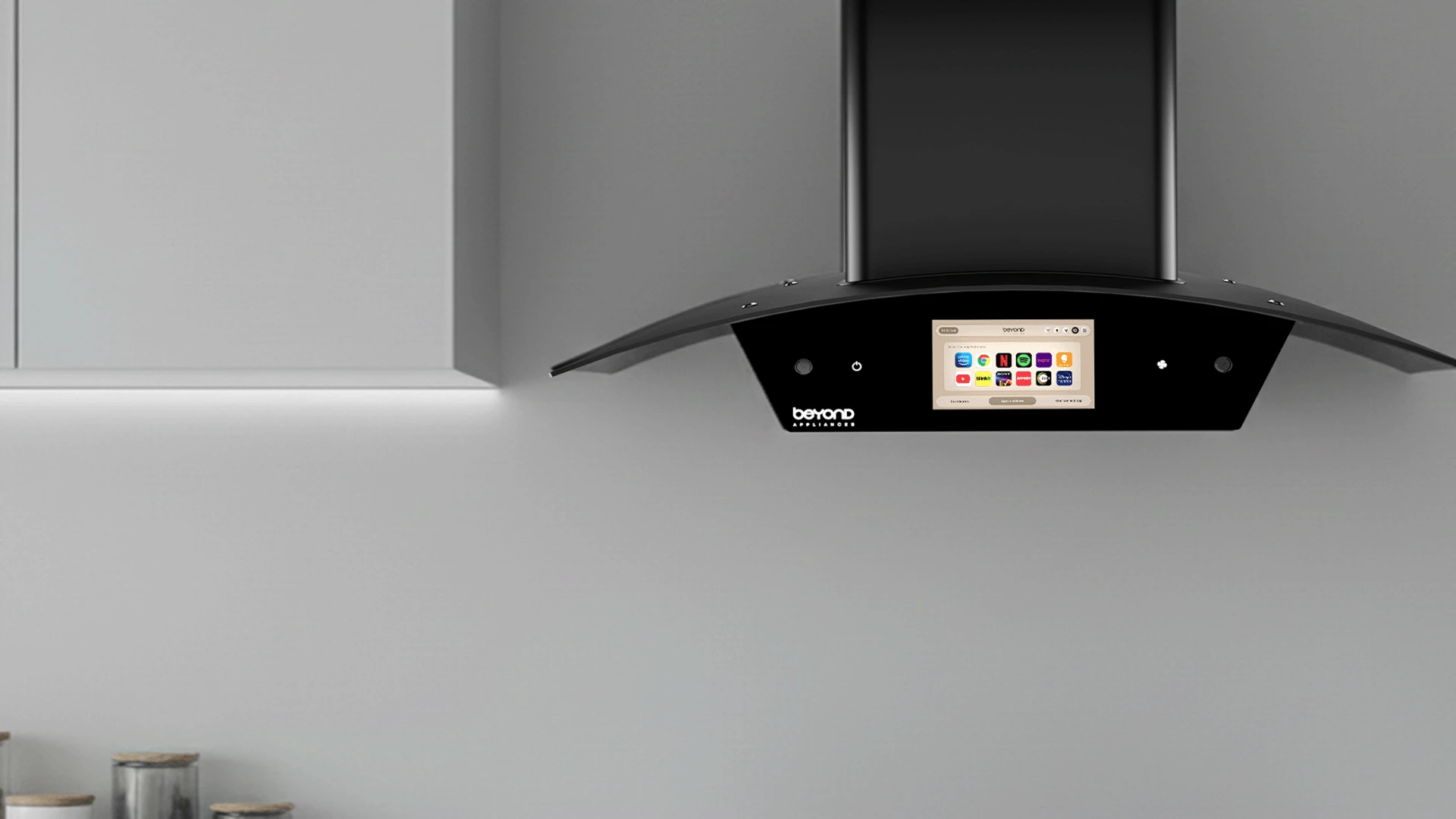
Cooking spillovers are one of the biggest threats to your kitchen chimney's performance and longevity. When oil splatters, steam condenses, and grease particles escape during cooking, they create a direct pathway to filter damage that can reduce efficiency by up to 60%. Understanding how spillover affects chimney filter life is crucial for maintaining a healthy kitchen environment and protecting your investment. Most homeowners don't realize that a single major spillover incident can cut their filter's lifespan in half, leading to poor air quality, persistent odors, and expensive replacements. The good news is that with proper knowledge and preventive measures, you can significantly extend your chimney filter lifespan while maintaining optimal performance.
Spillover damage occurs when cooking byproducts escape their intended cooking area and travel directly into your chimney system. This process creates immediate and long-term challenges for filter performance. The spillover effects on filters begin the moment grease particles make contact with filter surfaces, creating adhesion points that trap additional contaminants.
Cooking spillover encompasses several types of airborne contaminants that directly impact filter health. Oil splattering during high-heat cooking creates the most damaging particles, as these hot oil droplets penetrate deep into filter mesh structures. Steam condensation from boiling liquids adds moisture that helps other particles stick more effectively to filter surfaces. Grease particles from frying and sautéing form sticky layers that act like magnets for additional debris.
When spillover occurs, the immediate impact on your chimney filter is dramatic. Filter mesh becomes clogged within minutes of exposure to heavy grease particles, reducing airflow efficiency by 40-60% in severe cases. This reduction forces your chimney motor to work harder, increasing energy consumption and creating additional strain on mechanical components. The accelerated filter degradation timeline means what should last months may need replacement within weeks.
Understanding the scientific mechanisms behind spillover damage helps explain why prevention is so much more effective than reactive cleaning. When cooking fumes mix with spillover particles, they create complex chemical interactions that bond permanently with filter materials.
Grease molecules exhibit strong adhesive properties when they contact filter surfaces, especially at elevated temperatures. This molecular adhesion creates progressive buildup that forms impermeable layers across filter mesh openings. Over time, these accumulated layers undergo chemical breakdown that weakens filter fibers and creates permanent damage. Temperature fluctuations during cooking can cause filter warping, particularly in cheaper filter materials that aren't designed for high-heat exposure.
The particle size distribution in cooking fumes and filters plays a crucial role in clogging patterns. Smaller particles (0.1-1 micron) penetrate deep into filter structures, while larger particles (5-50 microns) create surface blockages. Electrostatic attraction between charged particles and filter materials accelerates the accumulation process. Humidity levels in your kitchen affect how quickly particles adhere to surfaces, with higher moisture content increasing adhesion rates by up to 40%.
Effective kitchen chimney maintenance starts with prevention rather than reaction. By implementing smart cooking practices and real-time management strategies, you can dramatically reduce spillover incidents and protect your filter investment.
Proper cookware selection makes a significant difference in spillover prevention. Use appropriately sized pans that match your burner dimensions, leaving adequate space for food expansion during cooking. Optimal heat level management prevents oil from reaching smoking points that create excessive splattering. Strategic use of lids and splatter screens can reduce airborne grease particles by 70-80% during high-heat cooking.
When spillover occurs despite prevention efforts, immediate response protocols can minimize filter damage. Clean visible spillover from chimney surfaces within 30 minutes of occurrence to prevent permanent staining. Adjust chimney speed settings to maximum during and immediately after spillover incidents to capture airborne particles before they settle. Position your cookware strategically under the chimney's center point for maximum capture efficiency.
Extending chimney filter life requires consistent daily habits combined with scheduled deep maintenance routines. These practices can triple your filter's effective lifespan while maintaining optimal air quality.
Implement a post-cooking inspection checklist that includes visual examination of filter surfaces for new grease accumulation. Quick cleaning techniques using warm, soapy water can remove fresh spillover before it hardens into permanent deposits. Proper ventilation timing means running your chimney for 10-15 minutes after cooking completion to clear residual particles from the air.
Comprehensive chimney filter cleaning tips include weekly degreasing sessions for heavy-use kitchens and monthly deep cleaning for moderate use. Professional-grade cleaning solutions containing degreasers and enzymes break down stubborn buildup more effectively than household cleaners. Filter rotation strategies involve having backup filters available so you can maintain continuous operation while cleaning primary filters.
Proper cleaning techniques can restore filter performance to near-original levels when performed correctly and consistently. The key is using appropriate methods for your specific filter type and contamination level.
Create effective degreasing solutions using common household ingredients: mix 2 tablespoons baking soda, 1 tablespoon dish soap, and 1 cup warm water for light cleaning, or add 2 tablespoons white vinegar for heavy grease removal. The step-by-step cleaning process involves soaking filters for 15-20 minutes, gentle scrubbing with soft brushes, thorough rinsing, and complete air drying before reinstallation. Essential tools include soft-bristled brushes, microfiber cloths, and non-abrasive sponges.
Visual inspection criteria help determine whether cleaning or replacement is more cost-effective. Replace filters when mesh openings remain clogged after thorough cleaning, when filter materials show signs of warping or tearing, or when cleaning efforts fail to restore adequate airflow. Performance degradation indicators include persistent cooking odors, visible smoke accumulation, and unusual chimney motor noises.
Healthy kitchen ventilation encompasses more than just filter care. Creating optimal air circulation patterns and addressing contamination sources provides comprehensive protection for your family's health.
Complement your chimney system with natural air circulation enhancement through strategic window placement and ceiling fan usage. Reducing kitchen odors at their source involves proper food storage, immediate cleanup of spills, and regular deep cleaning of cooking surfaces. Indoor air quality monitoring using simple devices can alert you to ventilation problems before they become serious health concerns.
Different cooking methods produce varying types and volumes of fumes that affect filter performance differently. High-heat stir-frying creates more oil particles, while slow braising produces more steam and moisture. Understanding these patterns helps you adjust chimney settings and cleaning schedules accordingly. Filter material selection should match your primary cooking styles - baffle filters work best for Indian cooking with heavy oil use, while charcoal filters excel at odor removal.
Clean baffle filters weekly with warm soapy water and replace charcoal filters every 3-6 months depending on usage. After major spillover incidents, clean filters immediately to prevent permanent damage.
Yes, excessive grease buildup can permanently clog mesh openings and cause filter materials to deteriorate. Heavy spillover can reduce filter effectiveness by 60-80% and require complete replacement.
With proper care and spillover prevention, baffle filters can last 8-12 years, while charcoal filters typically need replacement every 6-12 months depending on cooking frequency and types.
Look for visible grease accumulation, reduced suction power, persistent cooking odors after cleaning, unusual motor noises, or visible smoke remaining in the kitchen during cooking.
Deep frying, high-heat stir-frying, and uncovered boiling create the most filter-damaging spillover. Grilling and tandoor-style cooking also produce significant grease particles that can clog filters quickly.
Mastering spillover prevention is essential for maintaining optimal chimney filter performance and extending equipment lifespan. By understanding how cooking spillovers affect filter materials and implementing consistent prevention and maintenance strategies, you can protect your investment while ensuring healthy kitchen air quality. Remember that prevention is always more cost-effective than replacement - a few minutes of daily care can save hundreds of rupees in filter costs while keeping your kitchen environment clean and comfortable for years to come.
