

Master Kitchen Odors: Complete Chimney Ventilation Guide
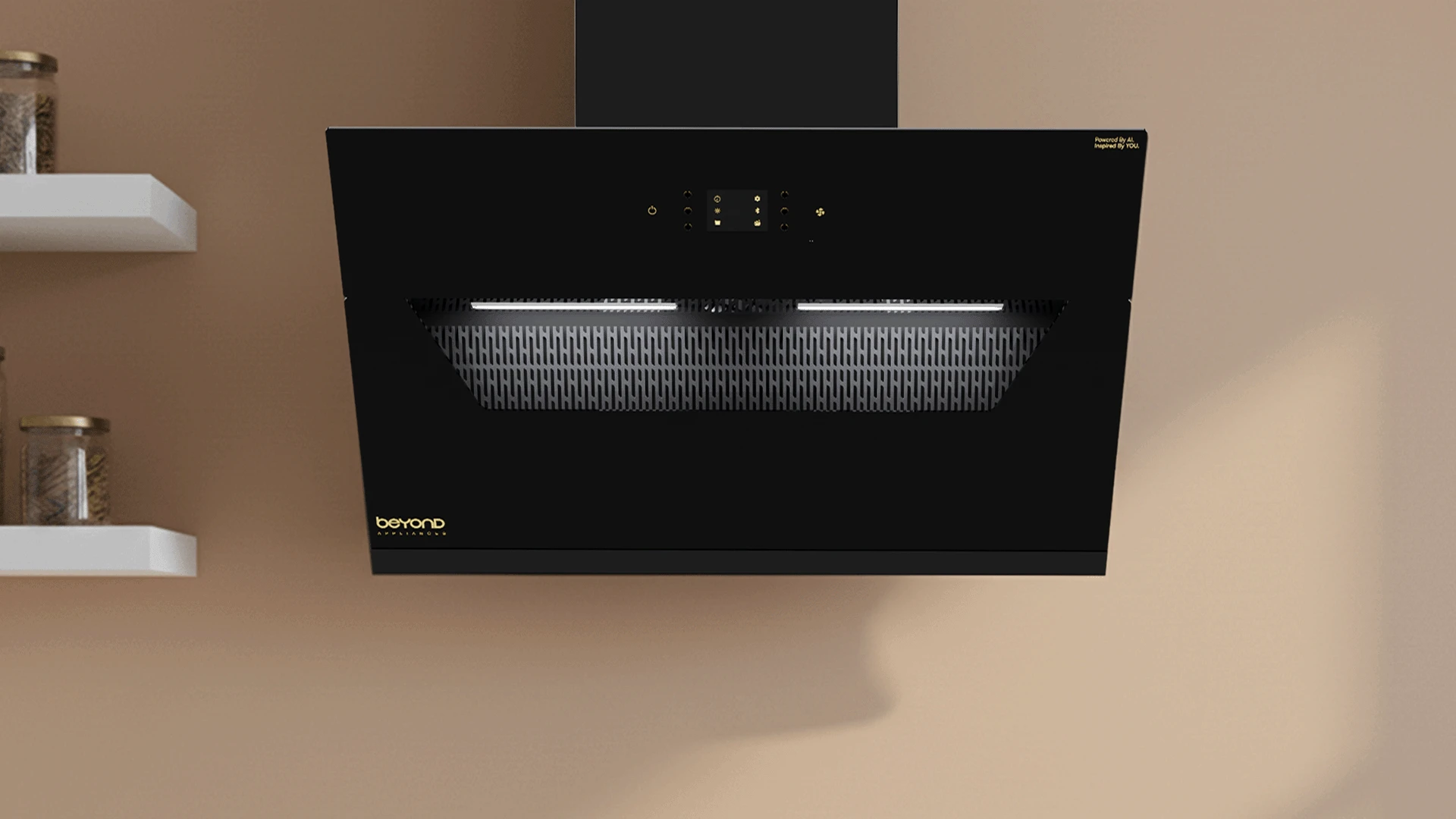
A well-ventilated kitchen is the heart of a healthy home. Every day, cooking activities release a complex mix of odors, grease particles, and moisture that can quickly overwhelm your living space. Without proper ventilation, these cooking fumes don't just create unpleasant smells—they can affect your family's health and comfort. Understanding the chimney role in controlling kitchen odors is essential for creating a clean, fresh environment where you love to cook and gather. Modern ventilation solutions offer powerful ways to capture and remove unwanted odors before they spread throughout your home.
Kitchen odors come from many sources during daily cooking activities. These smells can linger for hours and affect your entire home's atmosphere. Poor kitchen air quality impacts both comfort and health, making effective ventilation a priority for every household. The science behind kitchen odors involves tiny particles and gases released during cooking. When you fry, sauté, or grill food, oils break down and create airborne particles. Spices release volatile compounds that carry strong scents. Steam from boiling water carries food particles throughout the air. Without proper removal, these elements settle on surfaces and create persistent odors.
Cooking methods produce different types of odors and particles. Frying creates the most challenging cooking fumes because oil particles become airborne at high temperatures. Grilling and roasting release protein-based odors that can be particularly strong. Even simple boiling can create steam that carries food particles throughout your kitchen. Spice grinding and chopping onions release volatile compounds that spread quickly. Garbage disposal use and food waste storage add another layer of potential odors. Moisture buildup from cooking creates an environment where odors can intensify and linger longer than expected.
Poor ventilation affects more than just pleasant smells. Accumulated cooking fumes can irritate respiratory systems, especially for family members with allergies or asthma. Grease particles that settle on surfaces create cleaning challenges and can harbor bacteria over time. Property values can suffer when persistent cooking odors penetrate walls, furniture, and fabrics. Strong odors make entertaining uncomfortable and can affect your family's enjoyment of shared spaces. Effective odor removal protects both health and home value.
Modern kitchen chimneys work by creating controlled airflow that captures odors at their source. The chimney role in controlling kitchen odors involves powerful suction that pulls contaminated air away from cooking surfaces before particles can spread. This immediate capture prevents odors from circulating throughout your home. Effective chimney systems create negative pressure above your cooking area. This pressure differential ensures that odors and particles move upward into the ventilation system rather than dispersing into your kitchen. The captured air passes through filters that remove grease and particles before exhausting outside or recirculating clean air.
Ventilation systems rely on airflow principles to maintain kitchen air quality. Powerful motors create suction that draws contaminated air through collection hoods positioned above cooking surfaces. The captured air travels through ductwork or filtration systems designed to remove particles and odors. Proper airflow rates ensure complete capture of cooking emissions. Systems measure airflow in cubic feet per minute (CFM), with higher ratings providing more powerful suction. Strategic placement maximizes capture efficiency while minimizing noise and energy consumption.
Traditional chimneys and modern range hoods serve similar functions but use different approaches. Chimneys typically offer higher airflow capacity and more robust construction for heavy-duty cooking. Range hoods provide versatile installation options and advanced filtration technologies. Both systems excel at odor removal when properly sized and installed. The choice depends on your cooking habits, kitchen layout, and aesthetic preferences. Professional assessment helps determine which solution best meets your specific needs.
Modern ventilation systems offer diverse solutions for every kitchen layout and cooking style. Understanding available options helps you choose the most effective system for your specific needs. Each type provides unique advantages for kitchen odor control and air quality improvement. Installation requirements vary significantly between system types. Some solutions work well in existing kitchens with minimal modifications, while others require extensive ductwork and electrical updates. Professional consultation ensures you select a system that fits your space and budget.
Android chimneys and T-shaped chimneys offer powerful suction capabilities for serious cooking enthusiasts. These systems typically provide higher CFM ratings and more durable construction than standard range hoods. Their robust design handles heavy cooking loads while maintaining quiet operation. Curved chimneys and slant or inclined chimneys provide aesthetic appeal while delivering excellent performance. These designs complement modern kitchen styles while offering the same powerful odor removal capabilities. Professional installation ensures optimal positioning and airflow.
Ductless chimneys offer flexible installation options for kitchens where external venting isn't practical. These systems use advanced filtration to clean air before recirculating it back into your kitchen. Regular filter maintenance ensures continued effectiveness for kitchen odor control. Range hood benefits include energy efficiency and quiet operation. Modern units feature variable speed controls that adjust suction power based on cooking intensity. LED lighting provides excellent task illumination while consuming minimal energy.
Coordinating your ventilation system with hobtops, cooktops, and gas stoves maximizes effectiveness. Proper sizing ensures adequate coverage for your specific cooking appliances. Professional installation aligns ventilation placement with heat sources for optimal capture. Smart controls allow automatic operation based on cooking activity. Some systems detect heat and moisture levels, adjusting fan speeds automatically. This integration provides hands-free kitchen air quality management during busy cooking sessions.
Effective odor removal requires more than just powerful equipment. Proper system sizing, strategic placement, and regular maintenance ensure optimal performance. Understanding these factors helps you get maximum value from your ventilation investment. Airflow calculations consider your kitchen size, cooking habits, and appliance types. Professional assessment determines the CFM rating needed for complete odor capture. Oversized systems waste energy, while undersized units fail to provide adequate kitchen odor control.
CFM calculations start with your cooking surface area and typical cooking intensity. Gas cooking requires higher airflow rates than electric cooking due to combustion byproducts. Professional installers consider ceiling height, kitchen layout, and adjacent room connections when sizing systems. Strategic positioning captures odors before they spread throughout your kitchen. Proper height placement ensures effective suction without interfering with cooking activities. Distance from cooking surfaces affects capture efficiency and determines required airflow rates.
Modern filtration systems remove both particles and odors from cooking air. Grease filters capture oil particles before they enter ductwork or motors. Charcoal filters absorb odors and volatile compounds for improved air quality. Filter maintenance schedules ensure continued effectiveness. Grease filters require regular cleaning or replacement depending on cooking frequency. Charcoal filters need periodic replacement to maintain odor absorption capabilities. Proper maintenance protects your investment and ensures optimal performance.
Professional installation ensures your ventilation system operates at peak efficiency. Proper ductwork routing, electrical connections, and mounting provide reliable long-term performance. Following manufacturer guidelines protects warranty coverage and ensures safe operation. Regular maintenance keeps your system operating effectively while extending equipment life. Simple cleaning procedures and filter replacements maintain optimal airflow and odor removal capabilities. Establishing maintenance routines prevents costly repairs and ensures consistent performance.
Ductwork design affects system performance and noise levels. Proper routing minimizes bends and restrictions that reduce airflow efficiency. Insulation around ducts prevents condensation and reduces noise transmission to other rooms. Electrical requirements vary by system type and capacity. Professional electricians ensure adequate power supply and proper safety controls. Building code compliance protects your family and maintains home insurance coverage.
Establishing regular cleaning schedules maintains optimal performance. Monthly filter cleaning or replacement keeps airflow unrestricted. Annual professional inspections identify potential issues before they become expensive problems. Simple maintenance procedures include wiping exterior surfaces and checking for loose connections. More complex tasks like motor lubrication and ductwork cleaning require professional service. Following manufacturer recommendations protects warranty coverage and ensures reliable operation.
A healthy kitchen requires comprehensive approaches beyond ventilation alone. Combining effective air removal with proper food storage, regular cleaning, and natural air purification creates the best environment for your family. These complementary strategies enhance your ventilation system's effectiveness. Proper food storage prevents odors before they start. Sealed containers keep strong-smelling ingredients contained. Regular refrigerator cleaning eliminates sources of persistent odors. Prompt waste disposal prevents decomposition odors from overwhelming your space.
Natural air purification methods work alongside mechanical ventilation. Indoor plants like spider plants and peace lilies naturally filter air contaminants. Activated charcoal placed strategically absorbs odors between cooking sessions. Regular deep cleaning removes accumulated grease and food particles that harbor odors. Degreasing range surfaces and surrounding areas eliminates odor sources. Professional duct cleaning removes buildup that reduces system efficiency and creates persistent smells.
Air quality monitors help track the effectiveness of your ventilation efforts. These devices measure particle levels and humidity that affect comfort and health. Smart home integration allows automatic ventilation adjustments based on air quality readings. Seasonal adjustments optimize system performance throughout the year. Summer cooking may require higher fan speeds due to increased outdoor temperatures. Winter operation balances ventilation needs with energy efficiency to maintain comfortable indoor conditions.
Chimneys typically offer higher CFM ratings and more powerful suction than standard range hoods, making them more effective for heavy cooking and strong odors. However, modern range hoods with proper sizing can provide excellent odor control for most cooking activities.
Ventilation sizing depends on your cooking surface area, typical cooking methods, and kitchen layout. Gas cooking requires 100-150 CFM per linear foot of cooking surface, while electric cooking needs 50-100 CFM per linear foot.
Grease filters need cleaning monthly with heavy use or every 2-3 months with moderate cooking. Charcoal filters require replacement every 3-6 months depending on cooking frequency and odor intensity.
Yes, inadequate ventilation allows cooking fumes, grease particles, and moisture to accumulate, potentially irritating respiratory systems and aggravating allergies or asthma conditions.
Common mistakes include undersizing the system, improper ductwork routing, incorrect mounting height, and inadequate electrical supply. Professional installation prevents these issues.
Installation costs typically range from INR 15,000 to INR 50,000 depending on system complexity, ductwork requirements, and electrical modifications needed.
Effective kitchen odor control requires understanding the science behind ventilation and choosing the right system for your needs. The chimney role in controlling kitchen odors involves immediate capture and removal of cooking emissions before they spread throughout your home. Modern ventilation systems offer powerful solutions that protect both health and comfort while maintaining energy efficiency. Professional installation and regular maintenance ensure optimal performance and long-term value from your investment in kitchen air quality improvement.
