

Master Indian Kitchen: Appliance Selection Guide
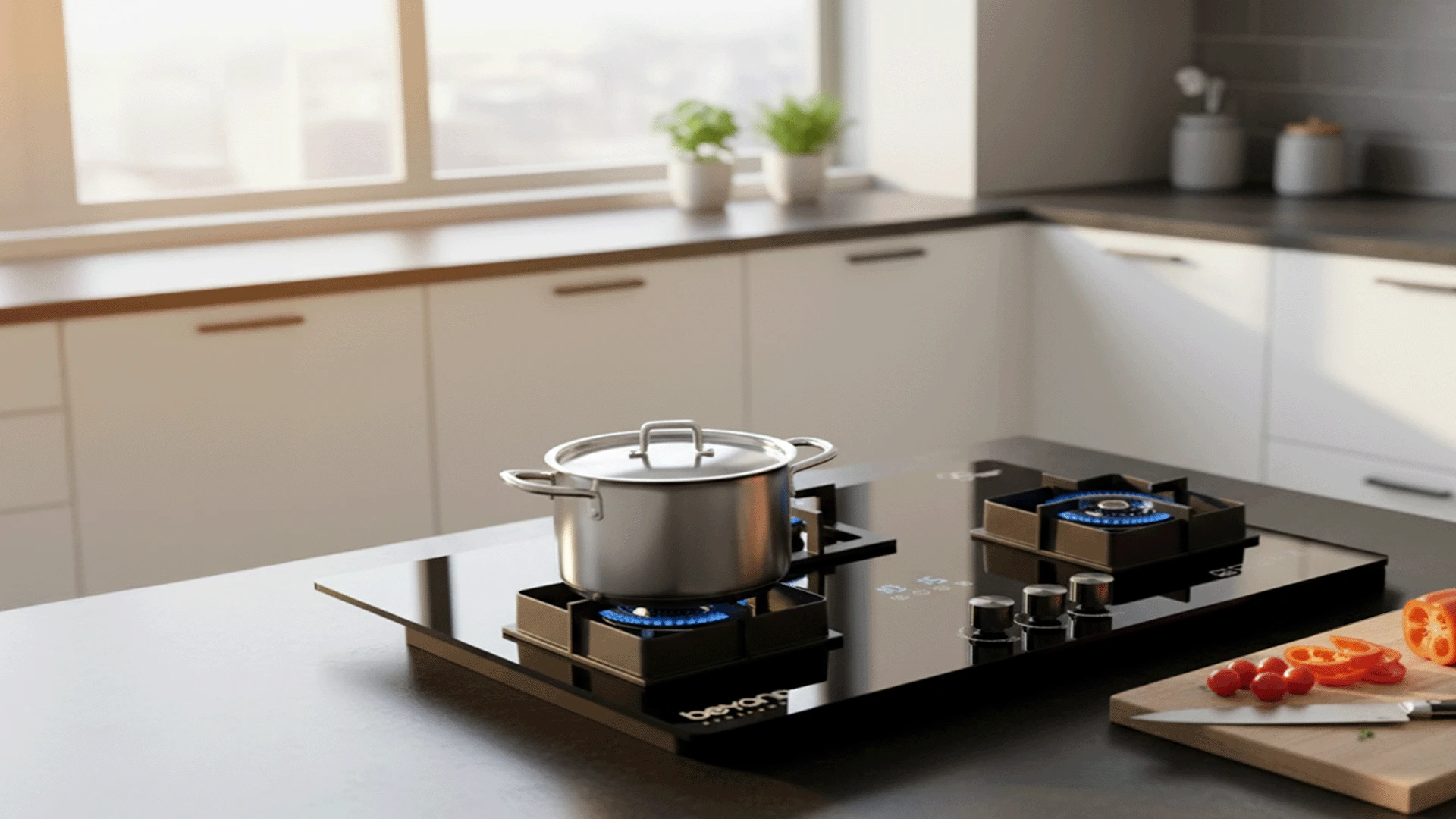
Indian kitchens are the heart of every home, where aromatic spices blend with modern convenience. Choosing appliances Indian habits demand requires understanding our unique cooking patterns, from high-heat tadka preparation to elaborate festival meals. The right appliances transform your kitchen into an efficient cooking space that honors traditional methods while embracing contemporary technology. Smart appliance selection considers factors like energy efficiency, space optimization, and the intense cooking requirements that define Indian cuisine.
Indian cooking habits differ significantly from Western culinary practices, making appliance selection crucial for kitchen success. Our cooking involves high-heat techniques like tempering spices, deep frying, and pressure cooking that demand robust appliances. Traditional Indian meals require multiple cooking methods simultaneously - rice cooking, dal preparation, vegetable sautéing, and roti making often happen together. Family size considerations play a vital role in choosing appliances Indian habits require. Joint families need larger capacity appliances, while nuclear families can opt for compact solutions. Regional variations also matter - South Indian cooking emphasizes rice preparation and wet grinding, while North Indian cuisine focuses on wheat-based foods and dairy processing.
Indian households often accommodate different cooking preferences across generations. Elderly family members prefer traditional gas cooking methods, while younger members embrace modern induction technology. Your appliance selection should balance these diverse needs while ensuring everyone can cook comfortably.
Indian cooking demands appliances that handle intense heat efficiently. Gas stoves must provide high BTU output for proper tadka preparation. Chimneys need powerful suction to manage oil vapors and spice aromas. These requirements directly impact your appliance choices and kitchen ventilation planning.
Prioritizing kitchen appliances India requires a tiered approach based on cooking frequency and necessity. Tier-one appliances include refrigerators, gas stoves, mixer grinders, and pressure cookers - these handle 80% of daily Indian cooking requirements. Without these essentials, preparing traditional Indian meals becomes challenging and time-consuming. Tier-two appliances enhance cooking efficiency and include microwaves, water purifiers, rice cookers, and induction cooktops. These appliances complement your primary cooking setup and offer convenience for specific tasks. Tier-three appliances like air fryers, food processors, and electric kettles provide luxury and specialized functionality.
Refrigerators top the priority list, requiring 300-400L capacity for average Indian families. Gas stoves need minimum three burners with high-heat capability. Mixer grinders must handle wet and dry grinding for chutneys, masalas, and batters. Pressure cookers remain indispensable for dal, rice, and vegetable preparation.
Small kitchen appliances India market offers compact solutions for urban homes. Multi-functional appliances like combination microwave-convection units save counter space. Wall-mounted options and stackable designs maximize vertical storage while maintaining functionality.
Energy efficient appliances India selection directly impacts monthly electricity bills and environmental footprint. Five-star rated appliances typically recover their premium cost within 2-3 years through electricity savings. With rising power tariffs across Indian states, energy efficiency becomes a crucial selection criterion. Inverter technology appliances adapt to voltage fluctuations common in Indian electrical systems. These appliances maintain consistent performance while consuming less electricity during partial load operations. Solar-compatible appliances offer additional savings for homes with solar panel installations.
BEE star ratings provide standardized energy consumption comparisons. A 5-star refrigerator consumes 30-40% less electricity than a 3-star model. For appliances running continuously like refrigerators, higher star ratings deliver substantial long-term savings despite higher initial costs.
Indian electricity tariffs often include peak hour surcharges. Smart appliances with timer functions help shift energy-intensive operations to off-peak hours. Dishwashers, washing machines, and water heaters benefit most from this optimization strategy.
Indian kitchen design appliances must accommodate intense cooking while fitting compact spaces. Urban Indian kitchens average 60-80 square feet, requiring careful appliance placement and size selection. Proper ventilation becomes critical due to oil-based cooking and spice preparation generating significant vapors. Built-in appliances create seamless integration with modular kitchen designs. Chimney selection depends on kitchen layout - T-shaped chimneys suit island kitchens while curved designs complement wall-mounted installations. Hobtops and cooktops offer flexibility for custom kitchen configurations.
Indian cooking generates substantial oil vapors and aromatic compounds requiring powerful exhaust systems. Chimneys need minimum 1000 cubic meters per hour suction capacity for effective vapor removal. Ductless chimneys work well in apartments where external ducting isn't feasible.
Modern Indian kitchens require dedicated electrical circuits for high-power appliances. Induction cooktops, microwave ovens, and dishwashers need separate 15-20 amp circuits. Proper electrical planning prevents circuit overloading and ensures appliance longevity.
Indian cooking appliances increasingly incorporate smart features tailored to local cooking patterns. Voice control compatibility with Hindi and regional languages enhances user experience. App-based cooking programs include presets for popular Indian dishes like biryani, dal, and various regional specialties. Smart scheduling features accommodate Indian meal timing patterns - early morning breakfast preparation, afternoon lunch cooking, and evening dinner preparation. Healthy kitchen appliances now include oil usage tracking and nutrition analysis features supporting health-conscious cooking trends.
Smart appliances require stable internet connectivity for full functionality. Consider data privacy policies when selecting connected appliances. Local data storage options provide better privacy protection than cloud-based systems for sensitive cooking pattern information.
Indian climate conditions pose unique challenges for appliance longevity. High humidity, dust, and voltage fluctuations require proactive maintenance strategies. Regular cleaning protocols become essential due to oil-heavy Indian cooking generating residue buildup on appliances. Voltage stabilizers protect sensitive electronics from power fluctuations common in Indian electrical grids. Professional service scheduling ensures optimal performance and warranty compliance. DIY maintenance tasks include regular filter cleaning and basic troubleshooting.
Humidity protection involves proper ventilation and moisture control around appliances. Dust covers and regular cleaning prevent particle accumulation affecting appliance performance. Monsoon season requires additional moisture protection measures for electrical appliances.
Essential appliances for Indian cooking include a high-BTU gas stove, powerful mixer grinder, pressure cooker, and energy-efficient refrigerator. These handle 80% of daily Indian cooking requirements including spice grinding, pressure cooking, and food storage.
Allocate 15-20% of your kitchen renovation budget to appliances. For a INR 2 lakh kitchen, invest INR 30,000-40,000 in quality appliances for optimal performance and longevity. Prioritize essential appliances first, then add convenience features.
Yes, 5-star rated appliances typically recover their premium cost within 2-3 years through electricity savings. With rising power tariffs across Indian states, energy efficiency provides substantial long-term savings especially for continuously running appliances.
300-400L capacity suits 4-5 members, while 450-550L works for 6+ members. Consider vegetable storage needs, bulk buying habits, and festival preparation requirements common in Indian households when selecting refrigerator size.
Gas remains preferred for traditional Indian cooking due to high-heat requirements and flame control. Induction works well as a secondary option for energy efficiency and safety. Many Indian kitchens benefit from both options for cooking flexibility.
Successful appliance selection for Indian kitchens requires understanding our unique cooking habits and space constraints. Energy efficiency, proper sizing, and climate-appropriate features ensure long-term satisfaction and cost savings. Prioritize essential appliances first, then gradually add convenience features based on your cooking patterns and budget. Remember that quality appliances designed for Indian conditions provide better performance and longevity than generic alternatives.
