

Master Indian Cooking Chimney Care: A Tutorial
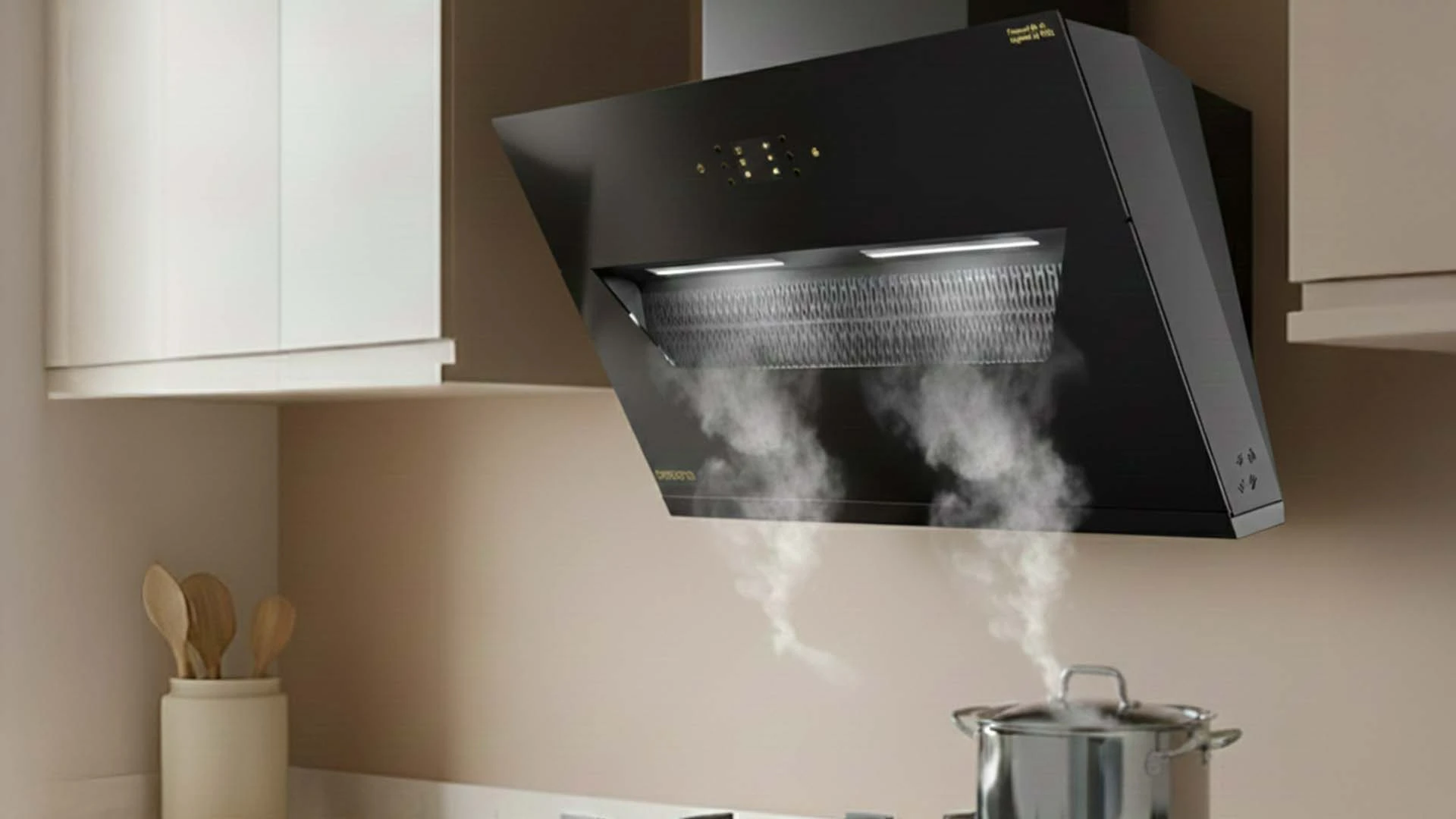
Indian cooking creates unique challenges for kitchen ventilation systems. The combination of high-heat cooking methods, generous oil usage, and aromatic spices generates substantial smoke and grease that requires specialized handling. A well-maintained kitchen chimney becomes essential for creating a healthy cooking environment while preserving the authentic flavors of Indian cuisine. Understanding proper chimney care ensures optimal performance, extends appliance lifespan, and maintains excellent air quality in your kitchen space.
Indian cooking methods place exceptional demands on kitchen ventilation systems. Traditional cooking techniques involve high temperatures, extensive use of oils and ghee, and aromatic spices that create dense smoke clouds requiring powerful extraction capabilities.
Indian cooking generates significantly more smoke and grease compared to other cooking styles. Deep frying, tempering spices in hot oil, and high-heat sautéing create challenging conditions for standard ventilation systems. The combination of turmeric, cumin, coriander, and other spices produces fine particles that can clog conventional filters quickly. Additionally, the frequent use of mustard oil and coconut oil creates sticky residues that require specialized filtration systems to manage effectively.
Effective smoke extraction for Indian cooking requires minimum 600 m³/hr suction capacity to handle typical cooking volumes. Filter efficiency becomes crucial as baffle filters outperform mesh filters in trapping oil particles and spice residues. Noise levels during high-speed operation should remain below 58 decibels to maintain comfortable cooking environments during extended meal preparation sessions.
Selecting appropriate kitchen appliances for Indian cooking involves understanding specific performance requirements and maintenance considerations. The right chimney model significantly impacts both cooking comfort and long-term maintenance costs.
Auto clean technology offers substantial advantages for Indian kitchens where grease accumulation occurs rapidly. These models use thermal cleaning or oil collector mechanisms to reduce manual maintenance requirements. While initial costs range from INR 15,000 to INR 40,000, the reduced cleaning frequency and improved hygiene make them cost-effective for frequent Indian cooking. Manual clean models, priced between INR 8,000 to INR 20,000, require more hands-on maintenance but offer reliable performance with proper care.
Baffle filters excel in Indian cooking environments due to their superior grease trapping capabilities. The curved design creates multiple direction changes that separate oil particles from air more effectively than traditional mesh filters. These stainless steel filters withstand repeated cleaning cycles and maintain performance over extended periods, making them ideal for heavy Indian cooking usage.
Calculate optimal suction power by multiplying kitchen length × width × height by 10 to determine minimum m³/hr capacity requirements. For example, a 10×8×9 feet kitchen needs minimum 720 m³/hr suction capacity. Wall-mounted chimneys work well for standard layouts, while island configurations require higher capacity models due to increased air circulation challenges.
Regular maintenance ensures optimal kitchen ventilation performance and prevents costly repairs. Indian cooking demands more frequent cleaning due to increased grease and spice particle generation compared to other cooking styles.
Clean external surfaces weekly using mild detergent solutions to prevent grease buildup on stainless steel surfaces. Inspect filters for visible grease accumulation and check suction performance during cooking sessions. Wipe control panels and LED lights to maintain clear visibility and proper operation.
Remove baffle filters monthly for thorough cleaning using hot water and degreasing agents. Soak filters for 15-20 minutes before scrubbing with soft brushes to remove stubborn grease deposits. Clean internal surfaces and check ductwork connections for proper sealing. Inspect motor housing for dust accumulation that could affect performance.
Schedule professional servicing every three months for comprehensive motor inspection and ductwork cleaning. Technicians can access internal components safely and identify potential issues before they become major problems. Professional cleaning ensures optimal kitchen exhaust performance and maintains warranty coverage.
Proper maintenance techniques help homeowners address common issues and optimize chimney performance for Indian cooking demands. Understanding basic troubleshooting saves service costs and ensures consistent operation.
Excessive noise often indicates maintenance needs or installation issues. Check mounting screws for tightness and ensure proper vibration dampening installation. Clean motor housing and lubricate moving parts according to manufacturer specifications. Use variable speed controls appropriately - high speeds aren't always necessary for effective ventilation.
Manage heavy grease buildup by running the chimney for 2-3 minutes after cooking completion to clear residual vapors. Address spice residue accumulation through regular filter cleaning and proper ventilation timing. Prevent filter clogging by using appropriate speed settings for different cooking methods - higher speeds for deep frying, moderate speeds for regular sautéing.
Optimizing chimney performance involves understanding proper installation parameters and usage strategies specific to Indian cooking requirements. Advanced techniques maximize efficiency while promoting healthy cooking environments.
Install chimneys 24-30 inches above cooktop surfaces for optimal capture efficiency without interfering with cooking activities. Design ductwork with minimal bends and use appropriate diameter pipes to reduce air resistance. Ensure external venting reaches outside walls directly rather than circulating through multiple rooms.
Monitor air quality by observing smoke clearance rates and odor elimination effectiveness. Activate chimneys 2-3 minutes before cooking begins to establish proper airflow patterns. Maintain consistent ventilation during cooking and continue operation for several minutes after completion to clear residual particles.
Optimize speed settings based on cooking intensity - use lower speeds for simmering and higher speeds for frying or grilling. Time chimney activation efficiently to balance air quality with energy consumption. Consider models with LED lighting and energy-efficient motors to reduce overall power usage.
Auto clean chimney models with baffle filters perform exceptionally well for Indian cooking due to high grease generation. Choose models with minimum 600 m³/hr suction capacity to handle typical Indian cooking demands effectively.
Regular cleaning, proper installation with vibration dampening, and using variable speed controls help reduce noise significantly. Consider upgrading to models with advanced motor technology if your current chimney produces excessive noise levels.
Clean external surfaces weekly, perform deep cleaning of baffle filters monthly, and schedule quarterly professional maintenance for optimal performance in Indian cooking environments.
Use the 10x kitchen volume rule: multiply your kitchen's length × width × height by 10 to determine minimum required suction capacity in m³/hr for effective ventilation.
While basic installation is possible, professional installation ensures proper ductwork design and mounting height optimization crucial for handling Indian cooking demands effectively.
Mastering chimney maintenance for Indian cooking requires understanding unique challenges posed by high-heat cooking methods and spice-heavy preparations. Regular cleaning schedules, proper installation techniques, and appropriate model selection ensure optimal performance and longevity. Implementing these Indian cooking chimney tips creates healthier cooking environments while preserving authentic flavors and aromas that make Indian cuisine special.
