

Master Cross-Ventilation for Optimal Chimney Draft
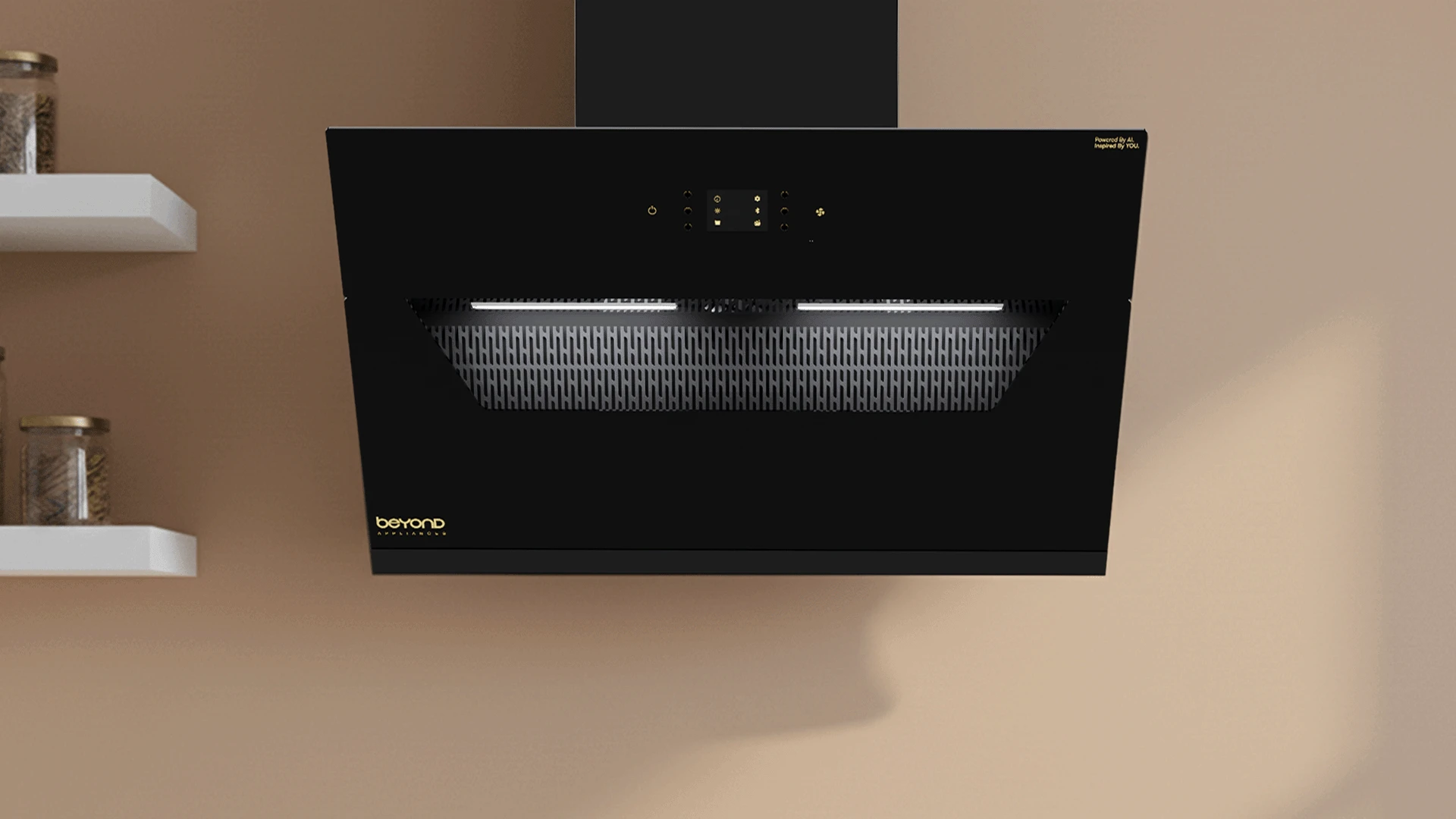
Cross-ventilation plays a crucial role in how well your kitchen chimney performs. Many homeowners struggle with poor chimney draft without realizing that their home's air circulation patterns are the root cause. Understanding the impact of cross-ventilation on chimney performance helps you create an efficient kitchen environment that keeps smoke, odors, and grease away from your living spaces. When air moves properly through your home, your chimney works at peak efficiency, protecting your family's health and maintaining excellent indoor air quality.
Cross-ventilation refers to the natural flow of air through your home from one opening to another. This air movement creates pressure differences that directly affect how your chimney functions. When fresh air enters through windows or vents on one side of your home, it pushes stale air out through openings on the opposite side.
Your chimney relies on the stack effect to draw smoke and cooking vapors upward. This natural phenomenon occurs when warm air inside your home rises and creates a pressure difference. The warmer air becomes lighter and moves up through the chimney, while cooler air enters from below to replace it.
Proper cross ventilation effects create balanced air pressure throughout your home. When this balance gets disrupted, your chimney may struggle to maintain adequate draft. Negative pressure zones can form when too much air exits your home without enough replacement air entering.
Many people believe that closing all windows improves chimney performance. This actually creates problems by limiting fresh air supply. Your chimney needs replacement air to function properly, and sealed homes often develop negative pressure issues.
The relationship between ventilation and chimney performance becomes clear when you understand air pressure dynamics. Your home acts like a large container where air constantly moves in and out. When this movement gets restricted or unbalanced, your chimney suffers.
Wind patterns around your home significantly influence chimney draft. Strong winds can create positive or negative pressure zones that either help or hinder your chimney's natural draft. Understanding these patterns helps you optimize window and vent placement for better performance.
Winter months often bring the strongest chimney draft because of greater temperature differences between indoor and outdoor air. However, tightly sealed homes during cold weather can create negative pressure problems that interfere with proper operation.
Modern homes with improved insulation and weatherproofing require careful attention to chimney performance factors. While energy efficiency is important, your home still needs adequate air exchange to support chimney function and maintain healthy indoor air quality.
Stack effect ventilation works best in multi-story homes where height differences create stronger pressure differentials. The greater the height difference between air intake and exhaust points, the stronger the natural draft becomes. This principle applies directly to chimney performance.
Effective building ventilation design balances energy efficiency with proper air circulation. Strategic placement of windows, vents, and other openings ensures adequate fresh air supply without compromising your home's thermal performance.
Windows positioned to catch prevailing winds help create positive pressure that supports chimney draft. Avoid placing exhaust fans or vents directly opposite your chimney, as this can create competing air currents that reduce efficiency.
Central heating and cooling systems must work harmoniously with natural ventilation patterns. Poorly designed HVAC installations can create negative pressure zones that interfere with chimney operation and reduce overall system efficiency.
Kitchen ventilation systems create unique challenges for chimney performance. Range hoods, exhaust fans, and other mechanical ventilation equipment can compete with your chimney for available air. This competition often results in reduced draft and poor smoke removal.
Coordinating your kitchen's ventilation needs requires understanding how different systems interact. A well-designed kitchen allows your chimney to work efficiently while maintaining comfortable cooking conditions and excellent air quality.
Modern range hoods move large volumes of air, which can create negative pressure if adequate makeup air isn't provided. This negative pressure pulls air down through your chimney instead of allowing smoke to rise naturally.
Every cubic foot of air exhausted from your kitchen must be replaced by fresh air entering elsewhere. Without proper makeup air provisions, your home develops negative pressure that seriously impacts chimney performance and indoor air quality.
Negative pressure ventilation problems manifest as poor chimney draft, smoke entering your kitchen, and difficulty lighting fires. These issues often worsen when multiple exhaust systems operate simultaneously, creating excessive air removal without adequate replacement.
Identifying negative pressure requires observing how your chimney behaves under different conditions. Pay attention to draft strength when various fans and appliances operate, and note any changes in smoke movement or odor control.
Severe negative pressure can cause dangerous backdrafting, where combustion gases enter your home instead of exiting through the chimney. This creates serious health and safety risks that require immediate attention from qualified professionals.
Effective solutions include installing makeup air systems, adjusting exhaust fan speeds, and modifying window operation patterns. Sometimes simple changes like cracking a window during cooking can dramatically improve chimney airflow and overall performance.
Creating optimal conditions for your chimney requires a systematic approach to whole-house ventilation. Start by mapping air movement patterns throughout your home and identifying areas where improvements can enhance both comfort and chimney function.
Regular monitoring helps maintain peak performance year-round. Seasonal adjustments account for changing weather patterns and varying heating and cooling loads that affect natural air circulation patterns.
Begin with a thorough assessment of current ventilation patterns. Open windows strategically to create cross-ventilation that supports rather than competes with your chimney. Monitor performance changes and adjust as needed for optimal results.
Complex ventilation issues often require professional evaluation and solutions. HVAC specialists can perform detailed pressure testing and recommend specific improvements that address your home's unique characteristics and requirements.
Yes, opening windows can significantly improve chimney draft by providing fresh air to replace what exits through the chimney. Strategic window placement creates positive pressure that supports natural draft and improves overall performance.
Wind creates pressure changes around your home that can interfere with natural chimney draft. Strong winds may create downdrafts or competing air currents that prevent smoke from rising properly through the chimney.
Improve performance by ensuring adequate fresh air supply, balancing exhaust systems, and creating proper cross-ventilation patterns. Consider professional assessment for complex issues or significant performance problems.
Negative pressure typically results from excessive air removal through exhaust fans, range hoods, or HVAC systems without adequate makeup air. Tightly sealed homes are particularly susceptible to these pressure imbalances.
Avoid running powerful exhaust fans while using your fireplace, as they can create negative pressure that interferes with proper draft. If ventilation is needed, crack windows to provide makeup air and maintain balanced pressure.
Understanding the impact of cross-ventilation on chimney performance empowers you to create an efficient, safe kitchen environment. Proper air circulation supports natural chimney draft while maintaining excellent indoor air quality throughout your home.
Regular attention to ventilation patterns and seasonal adjustments ensures consistent performance year-round. When issues arise, professional assessment can identify specific solutions that address your home's unique ventilation challenges and optimize chimney function for years to come.
