

Master Chimney Duct Length: Complete Installation Guide
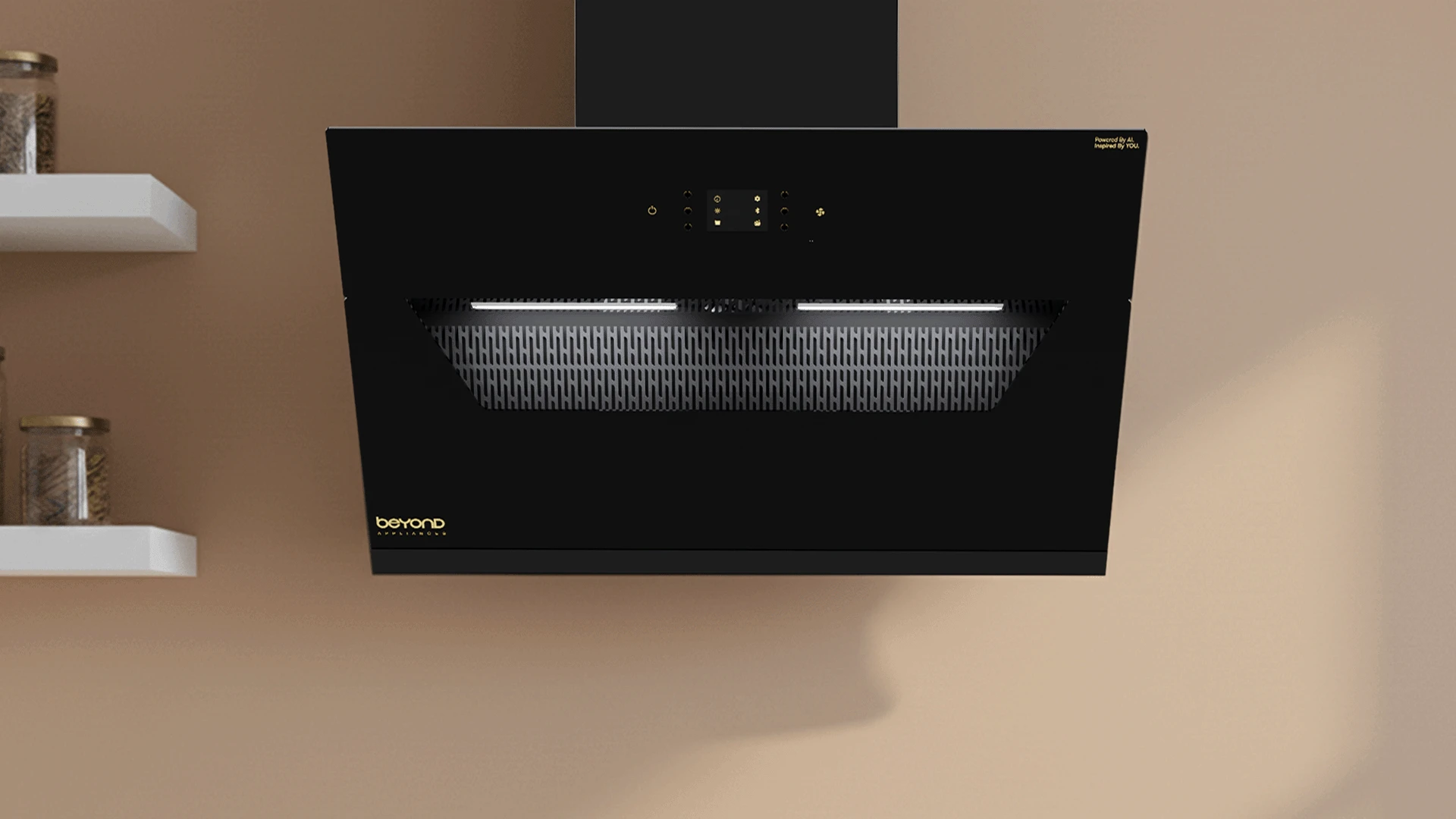
Getting the right chimney duct length is crucial for your kitchen's ventilation system. Many homeowners struggle with poor air circulation, excessive noise, or reduced efficiency because their ductwork doesn't follow proper guidelines. Understanding standard chimney duct length guidelines helps ensure optimal performance from your kitchen chimney while meeting building code requirements. Whether you're installing a new system or upgrading an existing one, proper duct sizing directly impacts your cooking experience and indoor air quality.
Standard chimney duct length guidelines form the foundation of effective kitchen ventilation design. These industry-established measurements ensure your chimney operates at peak efficiency while maintaining proper airflow throughout your cooking space. The typical standard duct length for residential kitchen chimneys ranges between 6 to 10 feet maximum. This measurement includes the total run from your chimney hood to the exterior wall or roof termination point. Exceeding this length significantly reduces your system's ability to remove smoke, grease, and cooking odors effectively.
Most ductwork regulations specify that straight duct runs should not exceed 10 feet without additional considerations. Each 90-degree elbow reduces this maximum by approximately 2 feet of equivalent length. Local building codes may have specific requirements, so always check with your municipal authorities before installation.
Longer duct runs create increased static pressure, forcing your chimney motor to work harder. This results in higher energy consumption, reduced lifespan, and diminished suction power. Proper length ensures optimal CFM (cubic feet per minute) delivery to your cooking area.
Proper kitchen chimney duct sizing involves multiple factors beyond simple length measurements. Understanding these requirements helps you plan an installation that delivers consistent performance for years to come. Minimum duct length should be at least 3 feet to allow proper air acceleration and prevent backdraft issues. Maximum recommended length varies by duct diameter: 6-inch ducts perform best under 8 feet, while 8-inch ducts can handle up to 10 feet effectively. Larger 10-inch ducts may extend slightly longer but require professional calculation.
Duct diameter directly affects allowable length. Smaller diameters create more friction, limiting effective length. A 6-inch duct moving 400 CFM performs optimally at 6-8 feet, while an 8-inch duct handling the same airflow can extend to 10 feet without significant performance loss.
Straight runs allow maximum length, while each bend reduces effective capacity. Two 90-degree elbows in a 10-foot run effectively create a 14-foot equivalent length, potentially exceeding optimal performance parameters. Plan your route to minimize direction changes whenever possible.
Optimal range hood duct length depends on your specific installation type and cooking habits. Wall-mounted units typically allow shorter, more direct routes compared to island installations that require longer runs to reach exterior walls. Island chimneys often need 8-12 feet of ductwork to reach an exterior wall, requiring larger diameter ducts or more powerful motors to maintain adequate suction. Consider upgrading to an 8-inch or 10-inch duct system for island installations to compensate for increased length.
Wall-mounted chimneys benefit from direct exterior access, often requiring only 4-6 feet of ductwork. Under-cabinet models may need slightly longer runs to clear cabinetry and reach suitable exit points. Each installation type has specific ventilation duct length requirements for optimal performance.
Always consult your chimney manufacturer's guidelines for maximum allowable duct length. Exceeding these specifications may void your warranty and create performance issues. Most quality manufacturers provide detailed charts showing CFM capacity versus duct length for different configurations.
Following proper chimney installation guidelines ensures your system meets building codes while delivering optimal performance. Professional installation typically involves careful measurement, proper materials selection, and adherence to local regulations. Begin by measuring your planned route from the chimney location to the nearest exterior wall or roof penetration. Account for any obstacles like structural beams, electrical wiring, or plumbing that might require route modifications. Use rigid metal ducting whenever possible, as flexible ducts create additional airflow resistance.
Essential tools include a measuring tape, level, drill with appropriate bits, and metal cutting tools. Materials needed are rigid galvanized or stainless steel ducting, appropriate connectors, exterior wall cap, and high-temperature sealant. Quality materials ensure long-term performance and code compliance.
Many areas require building permits for new chimney installations. Check local requirements before beginning work. Proper fire-rated materials and clearances from combustible materials are essential for safety. Professional installers understand these requirements and ensure compliant installations.
Excessive duct length creates multiple performance issues that affect your kitchen's air quality and chimney efficiency. Understanding these problems helps you identify and address issues before they impact your cooking experience. Poor suction performance often indicates ductwork that's too long for your chimney's motor capacity. Symptoms include lingering cooking odors, visible smoke accumulation, and grease buildup on kitchen surfaces. Upgrading to a larger diameter duct or more powerful motor can resolve these issues.
Long duct runs with multiple bends create turbulent airflow, resulting in excessive noise and vibration. Optimal duct length minimizes these problems by maintaining smooth, laminar airflow throughout the system. Proper support and insulation also reduce noise transmission.
Overlong ductwork forces your chimney motor to work harder, increasing energy consumption and reducing component lifespan. Shorter, properly sized ducts operate more efficiently, saving money on electricity bills while providing better ventilation performance.
The maximum recommended length is typically 10 feet for straight runs with 6-8 inch diameter ducts. Each 90-degree elbow reduces this by approximately 2 feet equivalent length.
Longer ducts create more static pressure, reducing airflow and suction power. This results in poor smoke and odor removal, increased energy consumption, and potential motor strain.
Extensions are possible but may require motor upgrades or larger diameter ducts to maintain performance. Consult a professional to evaluate your specific situation and ensure proper operation.
Excessively long ducts cause reduced suction, poor air quality, increased noise, higher energy costs, and potential equipment failure due to motor strain.
Most building codes focus on materials and clearances rather than specific lengths. However, they require adequate ventilation performance, which proper length helps ensure.
Mastering chimney duct length requirements ensures optimal kitchen ventilation performance while meeting safety and building code standards. Proper planning, quality materials, and adherence to manufacturer specifications create systems that effectively remove cooking byproducts while operating efficiently. Remember that shorter, properly sized ducts almost always outperform longer installations, making careful route planning essential for success.
