

Manual vs Auto Ignition: Complete Kitchen Guide
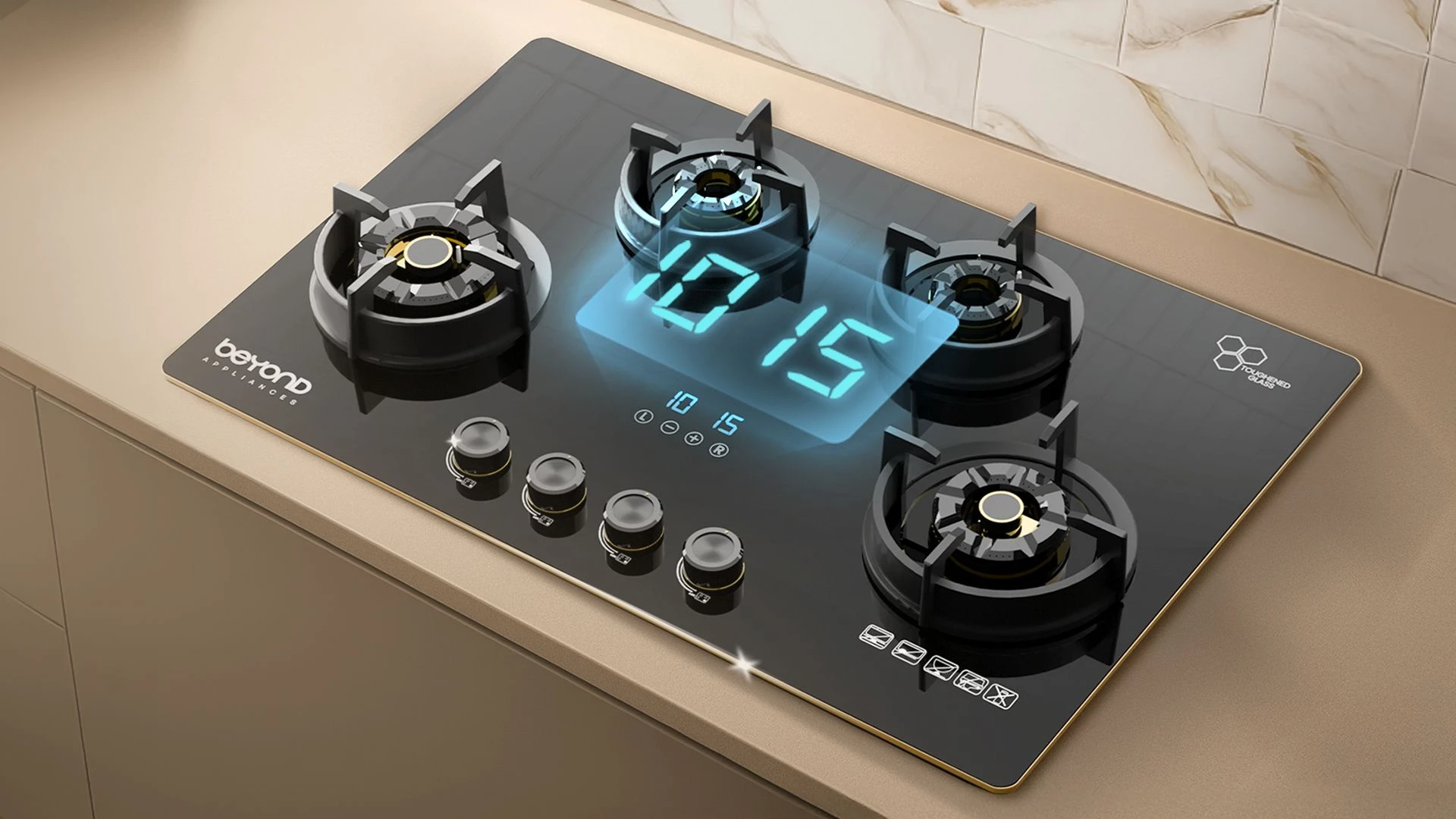
Choosing the right ignition system for your kitchen appliances can significantly impact your daily cooking experience. Whether you're upgrading your gas stove or selecting a new hob, understanding the differences between manual and auto ignition systems helps you make an informed decision. Modern kitchen appliances offer various ignition types, each with distinct advantages that cater to different cooking needs and preferences. The choice between manual vs auto ignition advantages extends beyond simple convenience, affecting safety, reliability, and long-term costs.
Ignition systems are the mechanisms that light the gas burners in your kitchen appliances. These systems have evolved significantly from the traditional match-lighting method to sophisticated electronic solutions. The type of ignition system directly affects how you interact with your cooking appliances daily. Modern ignition systems fall into two main categories: manual and automatic. Manual ignition requires you to use an external flame source like a lighter or match, while auto ignition creates a spark electronically when you turn the control knob. Both ignition types serve the same fundamental purpose but offer different user experiences. The evolution from basic lighting methods to advanced ignition systems reflects the kitchen industry's focus on safety and convenience. Today's gas stoves and hobs incorporate features like Flame Failure Device, which acts as a safety sensor that cuts off the gas supply if the flame goes out unexpectedly. This safety feature works with both manual and auto ignition systems.
Manual ignition systems operate through a simple yet effective mechanism. When you turn the gas control knob, gas flows to the burner, and you must provide an external flame source to light it. This straightforward approach has been trusted by home cooks for decades. The operation process involves turning the control knob to release gas, then using a lighter or match to ignite the burner. Some manual systems include a built-in lighter or pilot light for convenience. The simplicity of manual ignition means fewer electronic components that could potentially fail over time.
Manual ignition systems consist primarily of gas valves, control knobs, and burner assemblies. The absence of electronic components makes these systems inherently reliable and less susceptible to electrical failures.
Manual ignition proves ideal in areas with frequent power outages or for users who prefer complete control over the lighting process. Professional chefs often favor manual systems for their reliability and immediate response.
Auto ignition systems revolutionize the cooking experience by eliminating the need for external flame sources. With auto ignition, you simply press, turn and hold the knobs to light up the burners, making the process seamless and efficient. These systems use either electronic or piezo ignition mechanisms to create sparks automatically. Electronic ignition requires electrical power, while piezo ignition generates sparks through mechanical pressure, making it independent of electricity. Both types offer instant lighting without matches or lighters.
Auto ignition systems often integrate with advanced safety features. The automatic spark generation reduces the risk of gas accumulation, as the flame lights immediately when gas flows.
The convenience of auto ignition becomes apparent during busy cooking sessions. You can light multiple burners quickly without searching for lighters or matches, streamlining your cooking workflow.
Comparing these ignition systems requires examining multiple factors that affect daily use and long-term satisfaction. Each system offers distinct advantages depending on your specific needs and cooking habits. Reliability differs significantly between the two systems. Manual ignition systems have fewer components that can fail, making them extremely dependable. Auto ignition systems, while convenient, depend on electronic components that may require maintenance or replacement over time.
Initial purchase prices typically favor manual ignition systems due to their simpler construction. However, the convenience and safety features of auto ignition often justify the higher upfront cost for many users.
Auto ignition provides superior convenience, especially for elderly users or those with mobility limitations. Manual ignition offers more direct control but requires additional tools for operation.
Stove ignition systems must handle multiple burners efficiently. Modern gas stoves often feature coordinated ignition systems that can light multiple burners simultaneously or individually. The Jumbo Burner design accommodates large cookware when cooking for more people, while standard burners handle everyday cooking tasks. Professional-grade stoves may include specialized features like Dum flame for slow-cooking dishes like biryani. These low-heat settings work effectively with both manual and auto ignition systems, though auto ignition provides more precise control over the lighting process.
Advanced auto ignition systems can coordinate multiple burners, allowing you to light several at once. This feature proves particularly useful during large meal preparation.
Stove ignition problems often stem from blocked burner ports or faulty ignition components. Regular cleaning and maintenance help prevent most issues regardless of the ignition type.
Oven ignition systems require different considerations than stovetop burners. Ovens need consistent, reliable ignition for proper temperature control and safety. Auto ignition systems excel in oven applications due to their integration with temperature control systems. Modern ovens with auto ignition can automatically relight if the flame goes out during cooking, ensuring consistent temperatures. This feature proves especially valuable for long cooking processes like roasting or baking.
Oven ignition systems incorporate multiple safety features, including automatic shut-off mechanisms that prevent gas accumulation if ignition fails.
Auto ignition systems often provide better energy efficiency by ensuring complete combustion and reducing gas waste during the lighting process.
Selecting between manual and auto ignition depends on several factors specific to your household and cooking habits. Consider your family size, cooking frequency, and user preferences when making this decision. Households with elderly members or those with mobility challenges benefit significantly from auto ignition systems. The convenience factor becomes even more important in busy kitchens where efficiency matters. Features like Full Brass Burners that save more gas work effectively with both ignition types but pair particularly well with auto ignition for optimal efficiency.
While auto ignition systems cost more initially, they often provide better long-term value through improved safety and convenience. Consider the total cost of ownership, including maintenance and potential repairs.
Auto ignition systems integrate better with smart kitchen technology and modern appliance features. If you plan to upgrade your kitchen gradually, auto ignition provides better compatibility with future additions.
Manual ignition systems typically offer superior long-term reliability due to fewer electronic components. However, quality auto ignition systems from reputable manufacturers can provide years of dependable service with proper maintenance.
Conversion is possible but often requires significant modifications to the appliance. In most cases, purchasing a new appliance with your preferred ignition type proves more cost-effective than conversion.
Auto ignition systems generally offer enhanced safety through features like automatic flame failure detection and reduced gas exposure during lighting. Manual systems rely more on user awareness and proper technique.
Manual ignition systems continue working during power outages, while electronic auto ignition systems may not function. Piezo auto ignition systems work independently of electrical power.
Auto ignition systems often deliver better energy efficiency through precise gas control and reduced waste during the lighting process. The immediate ignition reduces gas consumption compared to manual lighting methods.
Manual ignition systems require minimal maintenance beyond regular cleaning. Auto ignition systems need periodic inspection of electronic components and spark generators to ensure proper function.
The choice between manual vs auto ignition advantages ultimately depends on your specific needs, budget, and preferences. Manual ignition offers simplicity and reliability, while auto ignition provides convenience and enhanced safety features. Consider factors like household composition, cooking frequency, and long-term kitchen plans when making your decision. Both systems can provide years of reliable service when properly maintained and used according to manufacturer guidelines.
