

Kitchen Heat: How Chimneys Reduce Temperature Effectively
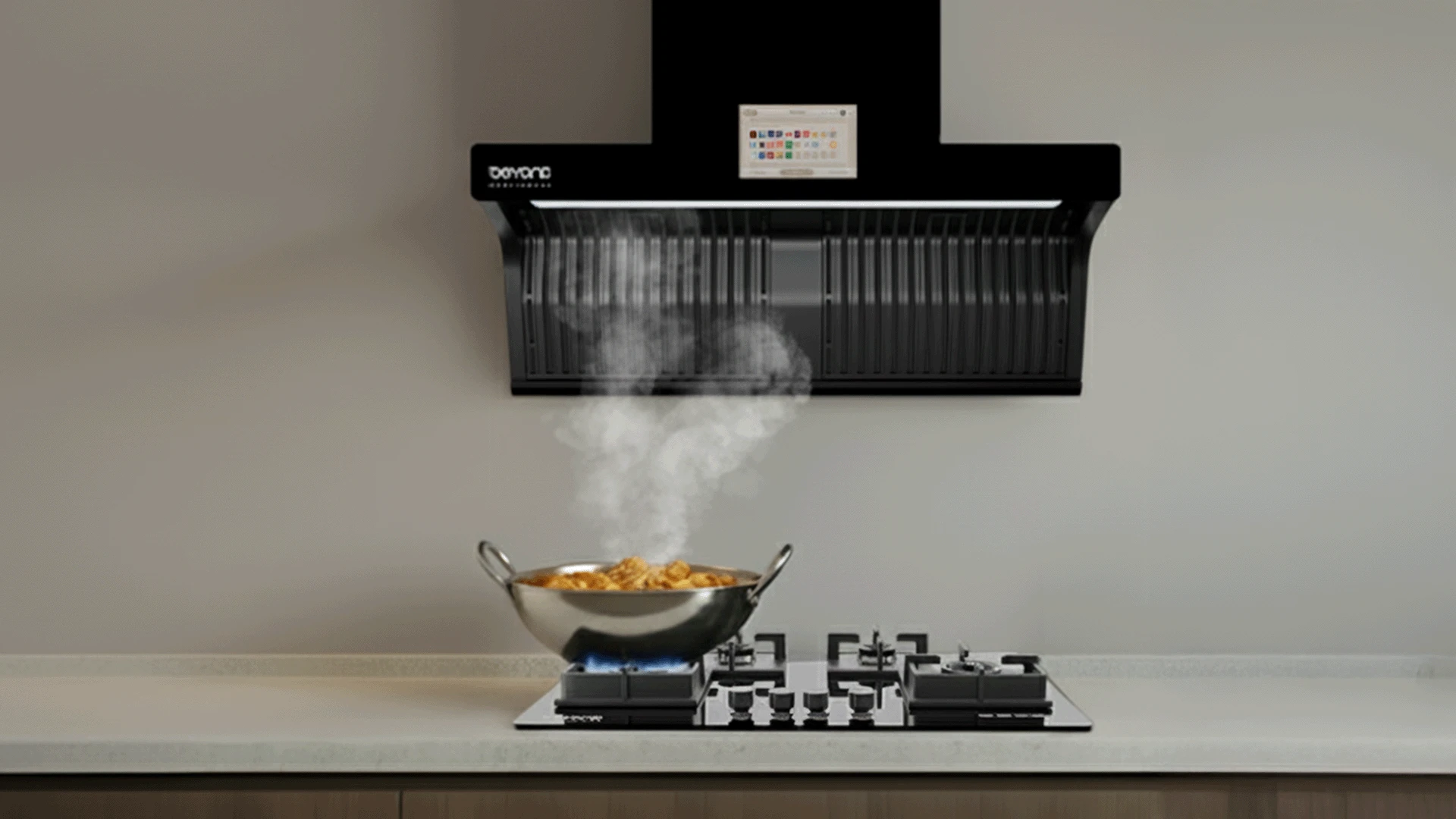
Cooking in a hot kitchen can make meal preparation uncomfortable and exhausting. Many homeowners wonder if installing a chimney can actually reduce the heat that builds up during cooking. The answer is yes – kitchen chimneys effectively reduce heat through multiple mechanisms that work together to create a cooler, more comfortable cooking environment. Understanding how chimneys control temperature can help you make informed decisions about kitchen ventilation and create a more pleasant cooking space.
Kitchen chimneys work through scientific principles that actively remove hot air and create better airflow patterns. The process involves multiple heat reduction mechanisms that work simultaneously to lower kitchen temperatures.
The chimney draft effect creates a natural upward flow of air that pulls hot gases away from cooking surfaces. This upward movement helps establish consistent air circulation patterns that prevent heat from accumulating in the kitchen space.
Direct kitchen heat exhaust occurs when chimneys capture hot air immediately above cooking surfaces. This prevents heated air from spreading throughout the kitchen and mixing with room temperature air.
Steam carries significant heat energy that contributes to kitchen temperature rise. Chimneys remove this moisture-laden air before it can release heat into the surrounding environment, providing effective cooking heat control.
Most kitchens experience temperature reductions of 3-5 degrees Celsius when properly sized chimneys are installed. This difference becomes more noticeable during extended cooking sessions or when using multiple burners simultaneously.
Chimneys provide comprehensive kitchen heat solutions through multiple temperature control mechanisms. Each method contributes to overall heat reduction and improved cooking comfort.
Chimneys capture heated air at the source, preventing it from rising and spreading throughout the kitchen. This immediate extraction is most effective when the chimney hood is positioned at the correct height above cooking surfaces.
Boiling water and simmering foods release significant amounts of steam that carry heat energy. Effective steam removal prevents this thermal energy from contributing to overall kitchen temperature.
Chimneys create air movement patterns that help reduce kitchen temperature by preventing hot air pockets from forming. This improved circulation distributes cooler air more evenly throughout the cooking space.
Cooking oils and fats release vapors that carry heat particles. Removing these heat-carrying particles prevents them from settling and continuing to radiate warmth into the kitchen environment.
Effective kitchen ventilation prevents heat from accumulating around cooking appliances, which can create uncomfortable hot zones and increase overall kitchen temperature.
While temperature control is important, chimneys provide additional advantages that enhance overall kitchen functionality. These benefits work together to create healthier and more comfortable cooking environments.
Healthy kitchen ventilation removes cooking fumes, smoke, and airborne particles that can affect respiratory health. Better air quality creates a more pleasant cooking environment for family members.
By removing grease-laden air, chimneys prevent oil particles from settling on surfaces. This reduces the frequency of deep cleaning required for kitchen walls, cabinets, and appliances.
Cooler kitchens require less air conditioning, leading to reduced energy consumption. The temperature control provided by chimneys can lower cooling costs during hot weather periods.
Comfortable temperatures make cooking more enjoyable and less physically demanding. This encourages more home cooking and family meal preparation activities.
Different kitchen ventilation systems offer varying levels of heat reduction effectiveness. Understanding these differences helps in selecting the most appropriate solution for specific kitchen requirements.
Ducted systems provide superior heat removal by expelling hot air outside the home. Ductless chimneys filter and recirculate air, offering moderate heat reduction while maintaining indoor air conditioning efficiency.
Larger kitchens require higher suction capacity to achieve effective chimney heat reduction. Proper sizing ensures adequate air movement for optimal temperature control performance.
Correct installation height, duct sizing, and positioning directly impact heat removal effectiveness. Professional installation ensures maximum temperature reduction benefits.
Chimneys work complementarily with air conditioning by removing heat at the source. This reduces the cooling load on AC systems and improves overall energy efficiency.
Yes, chimneys are particularly effective in Indian kitchens where high-heat cooking methods like frying and pressure cooking generate significant heat. The continuous extraction of hot air and steam helps maintain comfortable temperatures even during extended cooking sessions.
A properly sized and installed chimney typically reduces kitchen temperature by 3-5 degrees Celsius during active cooking. The reduction is most noticeable when using multiple burners or cooking for extended periods.
While chimneys significantly reduce heat, they work best in combination with air conditioning rather than as a replacement. Chimneys handle cooking-related heat while AC systems manage overall room temperature.
Modern chimneys include dampers or automatic shutoff features that prevent heat loss when not in use. Proper installation and maintenance ensure minimal heat loss during non-cooking periods.
For average Indian kitchens, chimneys with 400-600 cubic meters per hour suction capacity provide adequate heat removal. Larger kitchens or heavy cooking may require 800-1200 cubic meters per hour capacity.
Potential drawbacks include initial installation costs, ongoing maintenance requirements, and slight energy consumption. However, the heat reduction and air quality benefits typically outweigh these considerations.
Kitchen chimneys effectively reduce heat through multiple mechanisms including direct hot air extraction, steam removal, and improved air circulation. The temperature reduction of 3-5 degrees Celsius makes cooking more comfortable while providing additional benefits like improved air quality and reduced cleaning requirements. Choosing the right chimney type and ensuring proper installation maximizes heat reduction effectiveness, making chimneys valuable investments for comfortable and healthy kitchen environments.
