

Is Duct Installation Worth It? Your Complete Guide
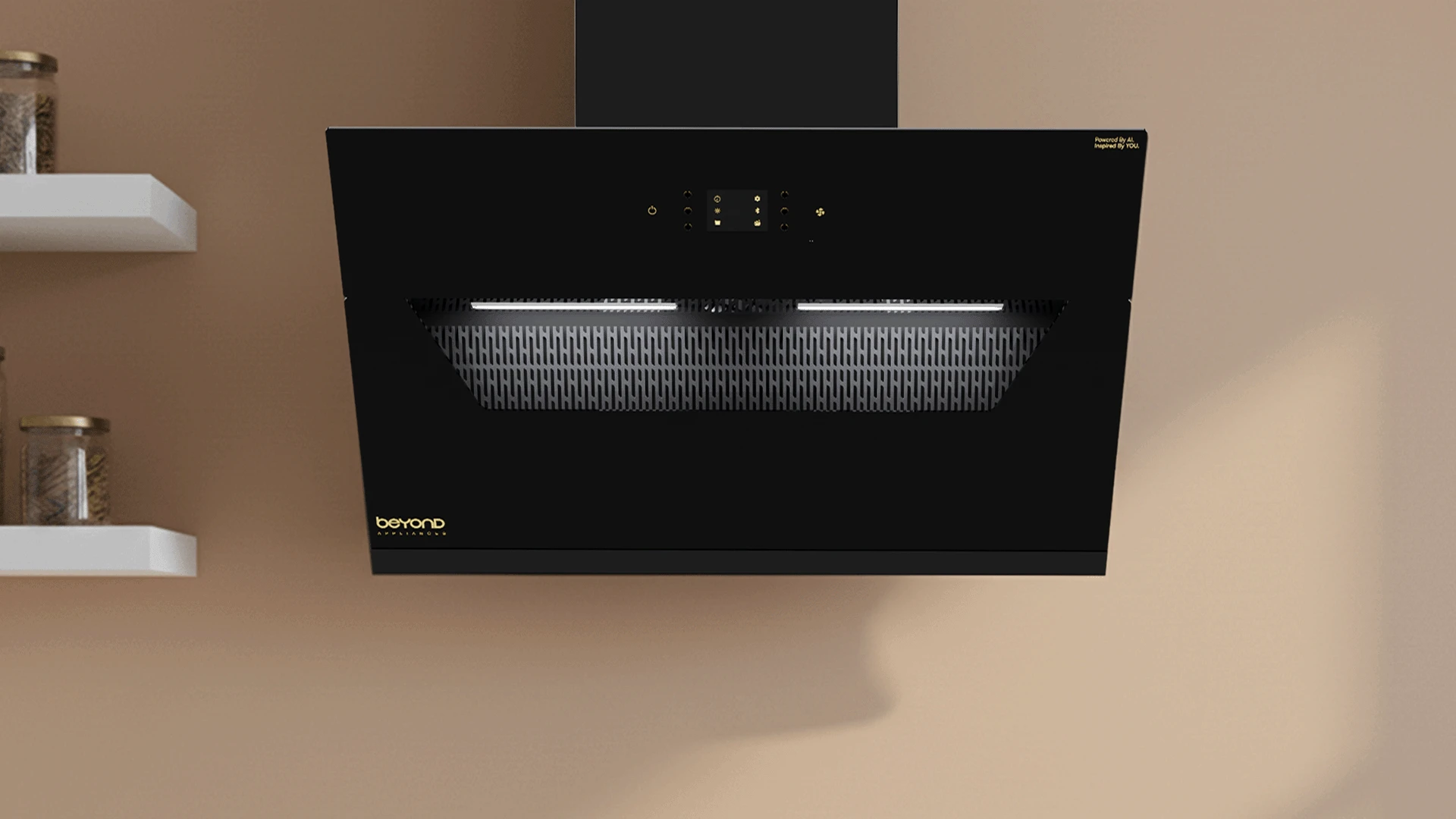
Proper ventilation is crucial for maintaining a healthy and comfortable home environment. When your existing ductwork fails to deliver adequate airflow or your home lacks a proper ventilation system, you might wonder whether investing in new duct installation is worthwhile. This decision involves significant financial commitment, but the benefits often extend far beyond immediate comfort improvements. Understanding the costs, benefits, and long-term value helps homeowners make informed decisions about their home ventilation system needs.
Ductwork serves as the circulatory system of your home, distributing conditioned air throughout every room while removing stale air and pollutants. A well-designed home ventilation system ensures consistent temperature control, maintains indoor air quality, and supports energy efficient home operations.
Flexible ducts offer easy installation in tight spaces but may restrict airflow if improperly installed. Rigid metal ducts provide superior durability and airflow efficiency, making them ideal for main trunk lines. Semi-rigid ducts combine flexibility with better airflow characteristics than fully flexible options.
Uneven temperatures between rooms, excessive dust accumulation, and rising energy bills without increased usage indicate potential ductwork problems. Visible damage, disconnected joints, or pest infestations in accessible ductwork areas signal immediate replacement needs.
New ductwork installation becomes essential when existing systems fail to meet your home's ventilation requirements. Age plays a significant role, as ductwork older than 15-20 years often lacks modern efficiency standards and may contain outdated materials.
Poor airflow distribution creates hot and cold spots throughout your home, forcing your HVAC system to work harder. When rooms consistently remain uncomfortable despite proper thermostat settings, ductwork inadequacy is often the culprit.
Major renovations, room additions, or HVAC system upgrades frequently require duct replacement to accommodate increased capacity demands. Older homes converting from radiator heating to forced-air systems need complete new ductwork installation.
Duct installation cost varies significantly based on home size, layout complexity, and material choices. Understanding these factors helps you budget appropriately and avoid unexpected expenses during the installation process.
Home accessibility greatly impacts labor costs, with crawl spaces and finished basements requiring more complex installation methods. Material selection between flexible, semi-rigid, and rigid ductwork affects both initial costs and long-term performance.
Small homes (under 1,500 sq ft) typically require INR 80,000 to INR 1,50,000 for complete ductwork installation. Medium homes (1,500-2,500 sq ft) range from INR 1,50,000 to INR 2,50,000, while larger homes exceed INR 2,50,000 depending on complexity.
Professional ductwork installation delivers multiple advantages that justify the investment through improved comfort, energy savings, and enhanced indoor air quality. These benefits compound over time, providing substantial return on investment.
Properly designed and sealed ductwork reduces energy waste by up to 30%, translating to significant utility bill savings. Improved airflow distribution allows HVAC systems to operate more efficiently, extending equipment lifespan and reducing maintenance costs.
New ductwork eliminates accumulated dust, allergens, and contaminants that build up in old systems over time. Better air circulation and filtration create healthier living environments, particularly beneficial for family members with respiratory sensitivities.
Updated HVAC systems, including modern ductwork, increase property values and appeal to potential buyers. Consistent temperature control and improved air quality enhance daily living comfort for all household members.
Determining whether air duct sealing suffices or full duct replacement is necessary depends on your system's current condition and performance issues. Professional assessment helps identify the most cost-effective solution for your specific situation.
Minor leaks, loose connections, and small gaps often respond well to professional sealing methods. If your ductwork is relatively new (under 10 years) and structurally sound, sealing may restore adequate performance at a fraction of replacement costs.
Extensive damage, undersized ducts, or systems with multiple performance issues typically require full replacement. When ductwork maintenance costs become frequent and expensive, replacement often proves more economical long-term.
Evaluating the financial benefits of duct installation helps justify the initial investment through quantifiable savings and improvements. Energy efficient home features like proper ductwork typically pay for themselves within 5-10 years through reduced utility costs.
Well-designed ductwork can reduce heating and cooling costs by 20-40%, depending on your current system's efficiency. Monthly savings of INR 2,000-5,000 on utility bills make the investment increasingly attractive over time.
Improved indoor air quality reduces healthcare costs related to respiratory issues and allergies. Enhanced comfort and home value appreciation provide additional returns beyond direct energy savings.
Complete new ductwork installation usually requires 2-5 days, depending on home size and complexity. Simple replacements may finish in 1-2 days, while extensive installations in large homes can take up to a week.
Properly installed and maintained ductwork lasts 15-25 years. Metal ducts typically outlast flexible options, while regular ductwork maintenance extends system lifespan significantly.
Yes, new ductwork installation is possible in homes with radiator heating, baseboard systems, or no central air. Installation complexity and costs increase, but modern techniques make it feasible for most home layouts.
Professional ductwork maintenance should occur every 3-5 years, with annual visual inspections for obvious damage or disconnections. Regular filter changes and keeping vents unobstructed support optimal performance.
Yes, properly installed ductwork with appropriate filtration improves indoor air quality within days of completion. Removing old, contaminated ducts eliminates accumulated allergens and pollutants immediately.
Most areas require building permits for major ductwork installation, especially when modifying structural elements. Your contractor should handle permit applications and ensure compliance with local building codes.
Duct installation represents a significant but worthwhile investment for most homeowners experiencing ventilation problems. The combination of energy savings, improved comfort, better air quality, and increased home value typically justifies the initial costs within several years. Professional assessment helps determine whether your situation requires full replacement or if targeted repairs and sealing will suffice. When choosing this upgrade, focus on qualified contractors who understand proper sizing, installation techniques, and local building requirements to ensure optimal performance and longevity.
