

Is a Filterless Chimney Safe? Kitchen Exhaust Guide
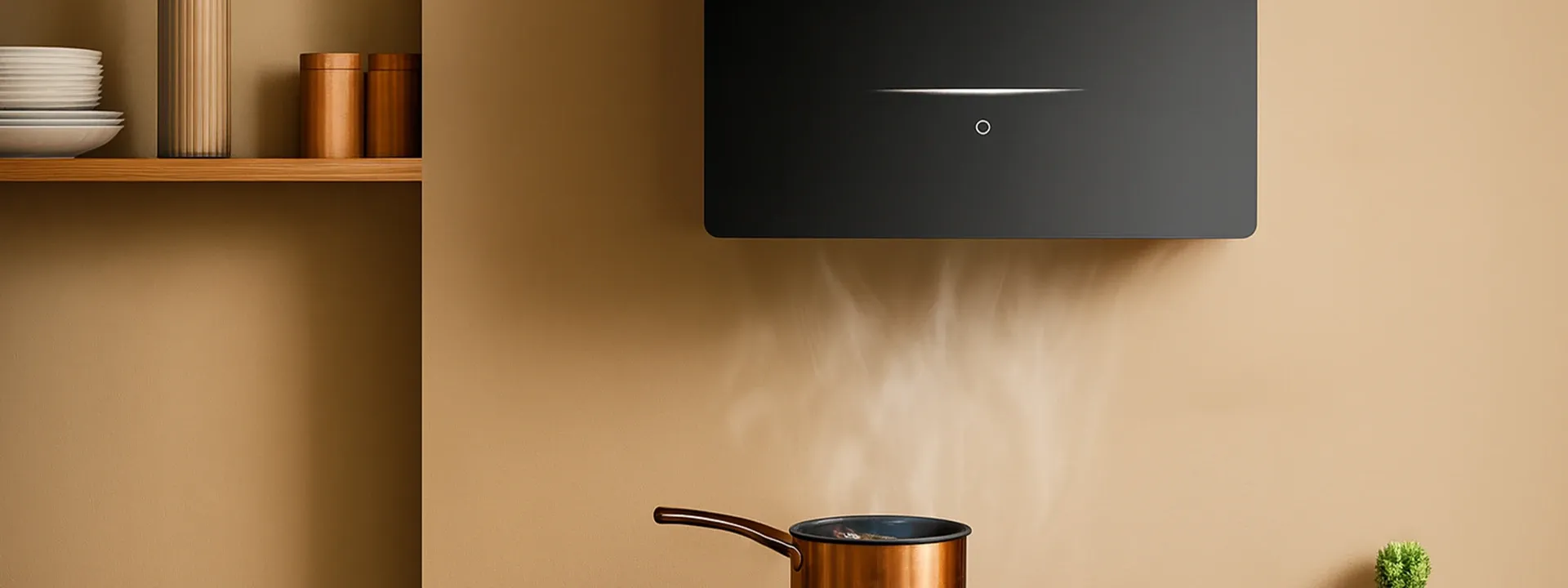
Modern kitchens demand efficient ventilation systems to maintain air quality and safety. Many homeowners wonder about operating their kitchen chimney systems without filters, especially when filters need replacement or cleaning. Understanding the safety implications of a filterless chimney helps you make informed decisions about your kitchen exhaust system. This comprehensive guide explores whether you can you use chimney without filter safely and what alternatives exist for effective smoke extraction and maintaining a healthy kitchen environment.
A filterless chimney operates without the traditional baffle or mesh filters that typically capture grease and particles from cooking vapors. These systems rely entirely on powerful suction to remove smoke, steam, and odors directly through the ductwork to the outside. Unlike conventional filtered systems, they don't have the intermediate filtration stage that separates grease and particles before air reaches the exhaust fan. Filterless systems work by creating strong airflow that pulls contaminated air straight from your cooking surface through the ductwork. The absence of filters means there's no physical barrier to trap grease, oil particles, or food debris. This design requires the exhaust system to handle all contaminants through direct extraction rather than filtration.
Traditional kitchen chimney systems use multiple filtration layers. Baffle filters capture grease while allowing air to pass through. Mesh filters trap larger particles and oil droplets. These filters require regular cleaning but provide protection for the internal components and ductwork.
Many people assume removing filters improves airflow and efficiency. However, filters serve crucial safety and maintenance functions beyond simple air cleaning. Without proper understanding, operating a chimney without filter can lead to serious issues.
Operating a chimney without filter presents several significant safety risks that homeowners must carefully consider. Fire hazards top the list of concerns, as grease and oil particles travel directly into the ductwork without filtration. This accumulation creates highly flammable conditions that can ignite from cooking heat or electrical sparks. Grease buildup in ductwork becomes a major problem without filters. The sticky residue coats internal surfaces, reducing airflow efficiency over time. More critically, this grease layer becomes a fire hazard that's difficult to clean and inspect. Professional duct cleaning becomes essential and more frequent.
If you must operate without filters temporarily, increase cleaning frequency dramatically. Inspect ductwork monthly for grease accumulation. Install fire suppression systems near the exhaust path. Never leave cooking unattended when using a filterless system.
Proper ventilation options become crucial for gas cooking appliances. Without filters, ensure adequate makeup air enters the kitchen. Check that exhaust fans maintain proper CFM ratings for your cooking volume. Poor ventilation can lead to dangerous gas buildup.
Most building codes require proper filtration in commercial and residential kitchen exhaust systems. Check local regulations before removing filters permanently. Some areas mandate specific filter types for safety compliance. Insurance policies may also require proper filtration systems.
Filterless operation significantly affects smoke extraction efficiency and overall kitchen air quality. Without filters, the system may initially seem more powerful due to unrestricted airflow. However, this apparent improvement comes with serious drawbacks that affect long-term performance and safety. Indoor air quality suffers when grease and particles aren't filtered before reaching ductwork. These contaminants can recirculate through gaps in the system or accumulate in unexpected areas. The absence of filtration means cooking odors, grease vapors, and smoke particles travel further into your home's ventilation system.
Filters help break down and trap odor-causing particles. Without this filtration stage, cooking smells may linger longer and spread throughout the home. Strong spices, fish, and fried foods create persistent odors that become harder to eliminate.
Initially, filterless systems may use less energy due to reduced resistance. However, as grease accumulates in ductwork, the system works harder to maintain airflow. This increased workload leads to higher energy consumption and premature motor wear.
Maintaining a healthy kitchen with filterless systems demands intensive cleaning schedules. Ductwork cleaning becomes monthly instead of annual. Motor and fan components require more frequent inspection and replacement due to grease exposure.
Several chimney alternatives provide effective kitchen exhaust solutions while maintaining safety standards. Recirculating systems filter air internally before returning it to the kitchen. These systems work well in apartments or homes where external ducting isn't possible. Ducted systems with proper filtration remain the gold standard for smoke extraction. These systems remove contaminated air completely from the kitchen while protecting ductwork through filtration. Modern ducted systems offer variable speed controls and energy-efficient operation.
Downdraft ventilation systems pull air downward through the cooking surface. These systems work well for island installations where traditional overhead chimneys aren't practical. However, they require more powerful motors to overcome natural heat rise.
Strategically placed windows and vents can supplement mechanical ventilation. Cross-ventilation helps remove cooking odors and moisture naturally. However, natural methods alone aren't sufficient for heavy cooking or grease-producing activities.
Some systems combine multiple filtration stages with variable bypass options. These allow temporary filterless operation for specific cooking needs while maintaining safety for regular use. Smart controls automatically adjust filtration based on cooking intensity.
Professional installers rarely recommend permanent filterless operation for residential kitchens. However, specific situations may warrant temporary filter removal under strict conditions. Commercial kitchens with professional-grade exhaust systems and frequent professional cleaning may operate filterless with proper safety protocols. Ideal configurations for filterless operation include straight, short duct runs with easy access for cleaning. The ductwork should be stainless steel with smooth internal surfaces. Professional installation ensures proper sizing and safety compliance.
Certified technicians must evaluate your specific kitchen layout and cooking habits. They assess ductwork condition, motor capacity, and local code requirements. Professional installation includes safety system integration and maintenance scheduling.
Filterless systems require weekly internal cleaning and monthly ductwork inspection. Professional deep cleaning should occur quarterly instead of annually. Document all maintenance activities for warranty and insurance purposes.
While eliminating filter replacement costs seems attractive, increased maintenance expenses often exceed filter costs. Professional ductwork cleaning, more frequent motor replacement, and potential fire damage risks make filterless operation expensive long-term.
Building codes vary by location, but most residential areas require proper filtration systems. Check with local building authorities before removing filters permanently. Commercial kitchens have stricter requirements.
Increased exposure to cooking fumes, grease particles, and potential carbon monoxide from poor ventilation. Indoor air quality deteriorates without proper filtration, especially for people with respiratory conditions.
Weekly internal cleaning and monthly ductwork inspection minimum. Professional deep cleaning every three months instead of annual service for filtered systems.
Technically possible but not recommended for safety reasons. Consult professional installers who can assess your specific system and local code requirements.
Look for UL listings, local building code compliance, and manufacturer safety certifications. Professional installation certifications ensure proper setup and safety protocol implementation.
Potentially negative impact due to safety concerns and increased maintenance requirements. Most home inspectors flag missing or inadequate kitchen ventilation filtration as safety issues.
Operating a chimney without filter poses significant safety risks that outweigh potential benefits. While temporarily removing filters for cleaning is acceptable, permanent filterless operation creates fire hazards, reduces indoor air quality, and increases maintenance costs. Modern kitchen chimney systems with proper filtration provide safer, more efficient smoke extraction while protecting your home and family. For optimal kitchen exhaust performance and a healthy kitchen environment, maintain proper filtration systems and follow manufacturer guidelines. When considering ventilation options, prioritize safety over convenience and consult professionals for system modifications or upgrades.
