

Induction Heat vs Gas Flame: Cooktop Showdown
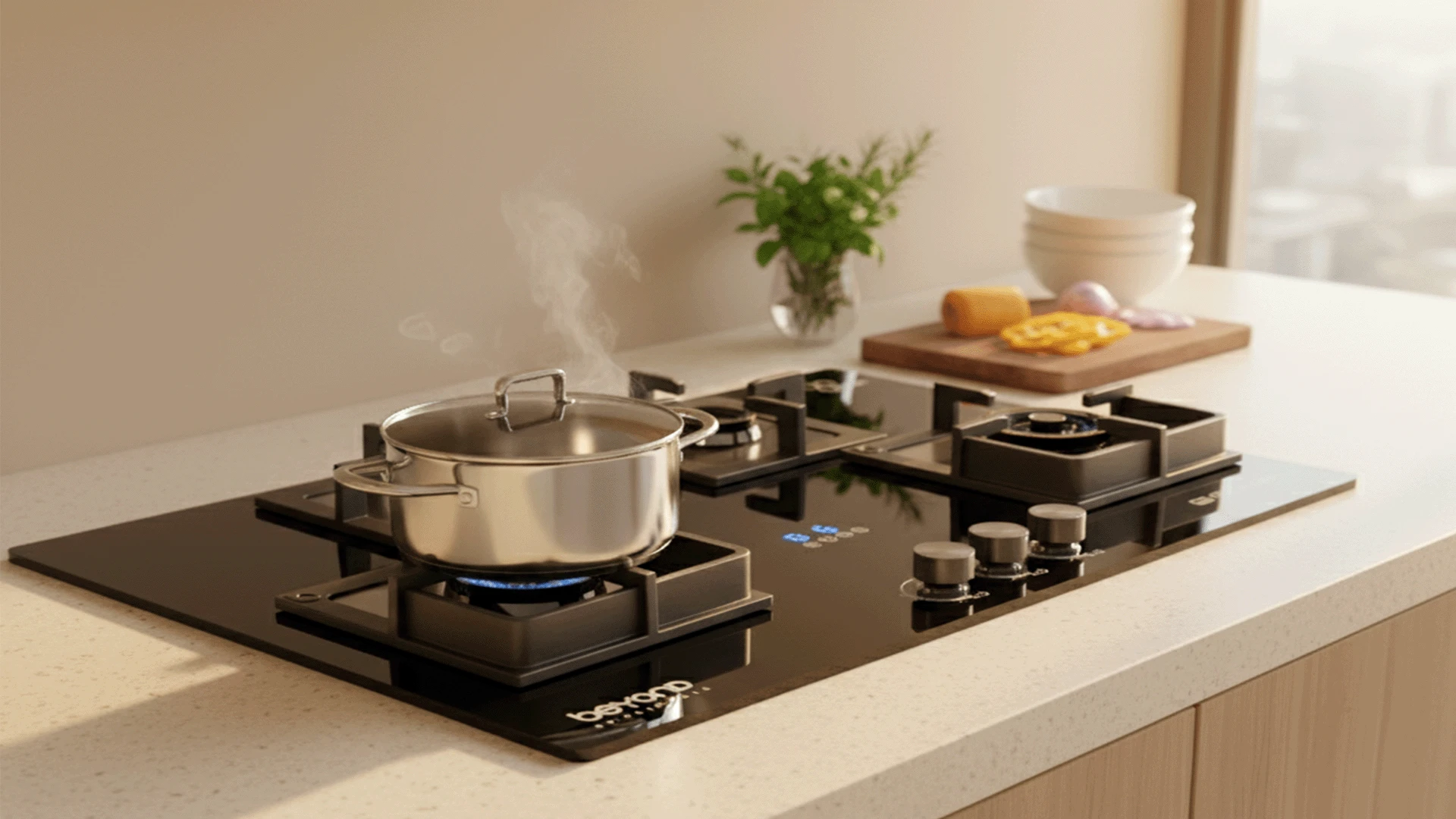
Choosing the right cooking method for your kitchen can transform your daily cooking experience. The debate between induction heat vs gas flame has become more relevant as modern kitchens evolve toward efficiency and safety. Both cooking methods offer distinct advantages, from energy consumption patterns to cooking performance. Understanding these differences helps you make an informed decision that aligns with your cooking habits, budget, and kitchen design goals. This comprehensive comparison explores every aspect of induction cooking versus gas cooking to guide your choice.
The core difference between these cooking methods lies in how they generate and transfer heat to your cookware. Each technology operates on completely different principles, affecting everything from energy efficiency to cooking performance.
Induction cooking uses electromagnetic fields to create heat directly in your cookware. When you turn on an induction cooktop, an electric current flows through a copper coil beneath the glass surface. This creates a magnetic field that causes compatible cookware to heat up instantly. The cookware itself becomes the heat source, making this method incredibly efficient. Only magnetic materials like cast iron or stainless steel work with induction technology.
Gas cooking burns natural gas or propane to create an open flame beneath your cookware. The flame heats the bottom of your pan through direct contact and convection. You can see and adjust the flame size immediately, giving you visual feedback about heat levels. This traditional cooking method works with any type of cookware that can withstand high temperatures.
The heat transfer methods create significant performance differences. Induction provides instant, precise temperature control with minimal heat loss. Gas offers immediate visual feedback but loses considerable energy to the surrounding air. Response time varies dramatically - induction adjusts temperature instantly while gas requires flame adjustment time.
Energy efficiency represents one of the most significant differences between these cooking methods. The way each technology transfers energy to your food directly impacts your utility bills and environmental footprint.
Induction cooking achieves 85-90% energy efficiency by heating cookware directly through electromagnetic fields. Gas cooking typically reaches only 40-55% efficiency because much heat escapes around the pan sides. This means induction wastes less energy and cooks food faster. The efficiency gap becomes more pronounced during longer cooking sessions like slow simmering or extended braising.
Electricity costs vary by region, but induction's superior efficiency often offsets higher electricity rates compared to natural gas. A typical induction cooktop uses about 1,800 watts per burner, while gas burners consume 9,000-12,000 BTUs hourly. Calculate your local utility rates to determine which option costs less in your area. Installation costs differ significantly - gas requires professional line installation while induction needs adequate electrical capacity.
Induction cooking produces zero direct emissions in your kitchen, making it cleaner for indoor air quality. Gas combustion releases carbon dioxide, nitrogen oxides, and other pollutants directly into your kitchen air. However, electricity generation methods affect induction's overall environmental impact. Areas with renewable energy sources make induction more environmentally friendly than regions dependent on coal power.
Safety considerations play a crucial role in choosing between induction heat vs gas flame, especially for families with children or elderly members. Each cooking method presents unique safety advantages and concerns.
Induction cooktops remain cool to touch because they only heat compatible cookware. Remove the pan and the surface cools within minutes, reducing burn risks significantly. Most models include automatic shut-off features when cookware is removed or overheating occurs. Child safety locks prevent accidental activation, making induction ideal for households with young children.
Open flames create obvious burn hazards and fire risks if flammable materials contact the flame. Gas leaks pose serious safety threats, requiring proper installation and regular maintenance. Carbon monoxide production necessitates adequate ventilation to prevent dangerous accumulation. Pilot lights in older models can go out unexpectedly, creating gas buildup risks.
Both cooking methods require proper installation by qualified professionals to ensure safe operation. Regular maintenance checks help identify potential problems before they become dangerous. Install carbon monoxide detectors near gas appliances and ensure adequate kitchen ventilation. Keep fire extinguishers accessible and maintain clear escape routes from cooking areas.
Cooking performance encompasses speed, temperature control precision, and versatility across different cooking methods. Professional chefs and home cooks often have strong preferences based on their cooking styles and requirements.
Induction excels at precise temperature control, making it perfect for delicate sauces and chocolate melting. Water boils significantly faster on induction due to direct heat transfer to cookware. Gas provides immediate visual feedback about heat levels, helping experienced cooks judge temperatures intuitively. High-heat techniques like wok cooking traditionally favor gas flames for their intense, adjustable heat.
Many professional kitchens now incorporate both technologies to maximize cooking versatility. Induction offers consistent results and energy savings for high-volume operations. Gas remains popular for techniques requiring flame contact or visual heat assessment. Restaurant efficiency studies show induction reduces kitchen heat buildup, improving working conditions during busy service periods.
Everyday meal preparation benefits from induction's quick heating and easy cleanup. Families appreciate the safety features and consistent results across different cookware. Gas cooking appeals to those who enjoy traditional cooking techniques and immediate heat adjustment. Both methods handle most home cooking tasks effectively, with personal preference often determining the choice.
Modern kitchen design increasingly emphasizes clean lines, efficiency, and seamless appliance integration. Your choice between induction and gas affects kitchen layout, ventilation requirements, and overall aesthetic appeal.
Induction cooktops require adequate electrical capacity, typically 240-volt circuits for full-size units. Gas installations need professional gas line connections and proper venting systems. Retrofit installations may require significant electrical or gas infrastructure upgrades. Consider your kitchen's existing utilities when planning cooktop replacement or new installation.
Induction cooktops offer sleek, flat surfaces that integrate seamlessly with modern kitchen designs. Glass surfaces are easy to clean but may show fingerprints and water spots. Gas cooktops provide traditional appeal with various grate styles and finishes. Both options come in multiple sizes and configurations to fit different kitchen layouts and design preferences.
Induction requires magnetic cookware, potentially necessitating new pot and pan purchases. Test existing cookware with a magnet - if it sticks strongly, it works with induction. Gas cooking accepts any heat-resistant cookware material, from aluminum to copper. Quality cookware enhances performance regardless of your chosen cooking method.
Healthy cooking extends beyond ingredient choices to include cooking methods that preserve nutrients and maintain clean kitchen air quality. Both induction and gas cooking offer health-related advantages worth considering.
Precise temperature control helps preserve heat-sensitive vitamins and minerals in vegetables. Induction's consistent heating reduces hot spots that can destroy nutrients through overcooking. Both methods support healthy cooking techniques like steaming and light sautéing when used properly. Faster cooking times generally help retain more nutritional value in fresh ingredients.
Gas combustion produces nitrogen dioxide, carbon monoxide, and other pollutants that can affect respiratory health. Proper ventilation becomes essential with gas cooking to maintain healthy indoor air quality. Induction produces no direct emissions, making it ideal for homes with asthma sufferers or respiratory sensitivities. Kitchen air quality improvements are noticeable when switching from gas to induction cooking.
Yes, induction cooking achieves 85-90% energy efficiency compared to gas cooking's 40-55% efficiency. This significant difference results from induction's direct electromagnetic heating of cookware versus gas flames that lose considerable heat to surrounding air.
Induction cooktops are generally safer due to cool-touch surfaces, automatic shut-off features, and no open flames. Gas cooktops require proper ventilation and gas leak detection systems to maintain safe operation.
Yes, induction cooktops heat cookware faster because electromagnetic fields create heat directly in the pan. Gas must first heat the cookware through flame contact, making it slower to reach cooking temperatures.
Induction requires magnetic cookware like cast iron or magnetic stainless steel. Gas cooking works with any heat-resistant cookware material including aluminum, copper, and non-magnetic stainless steel.
Operating costs depend on local utility rates, but induction's superior efficiency often compensates for higher electricity costs compared to natural gas. Calculate your specific utility rates to determine the most economical option for your location.
The choice between induction heat vs gas flame depends on your specific needs, cooking style, and kitchen infrastructure. Induction offers superior energy efficiency, enhanced safety features, and precise temperature control that appeals to modern cooks. Gas provides traditional cooking flexibility, immediate heat adjustment, and works with all cookware types. Consider your budget, existing kitchen setup, and long-term cooking goals when making this important decision. Both technologies continue evolving, with manufacturers improving efficiency, safety, and performance features regularly.
