

How to Use Chimney While Boiling Water Safely
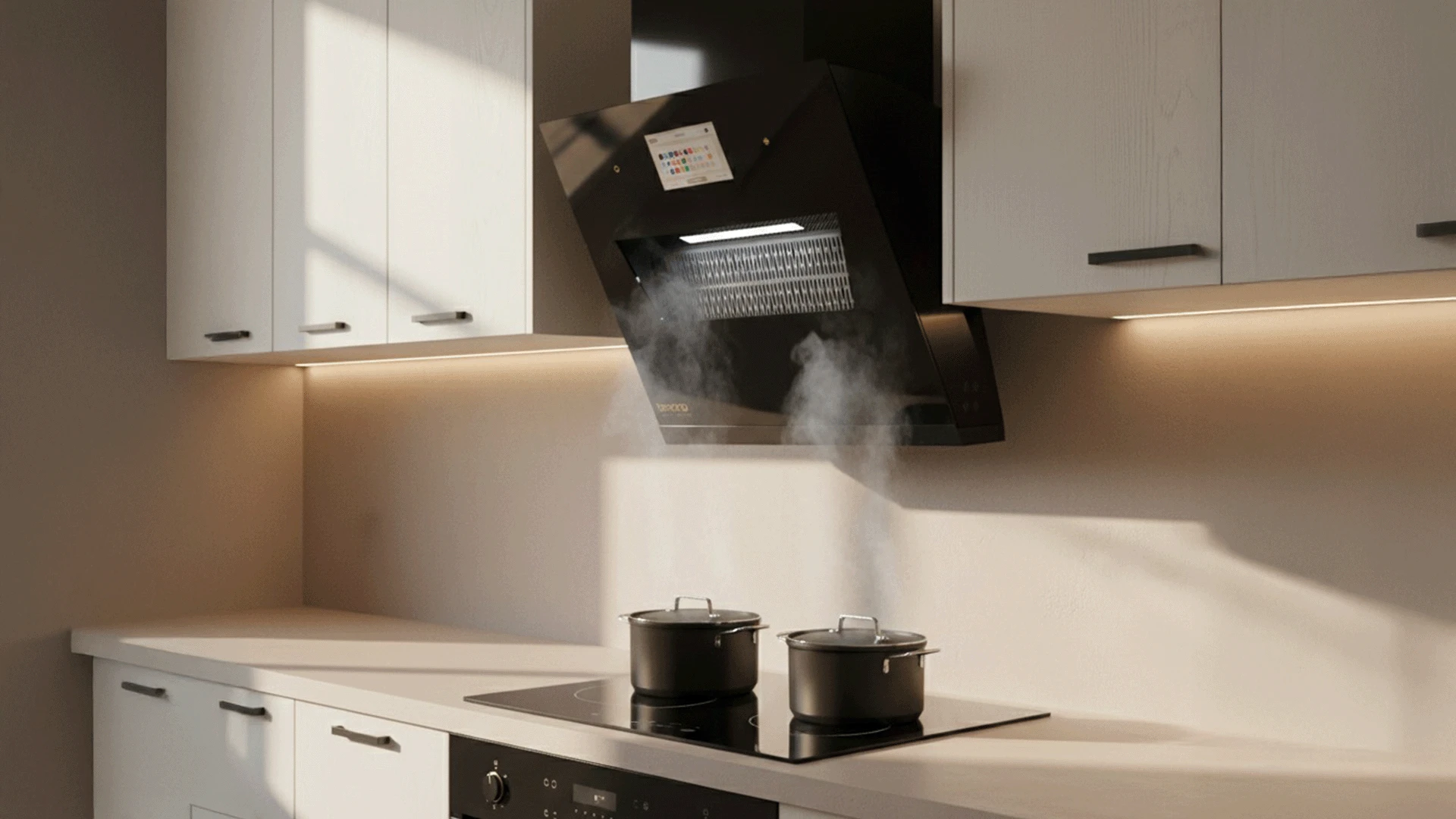
Boiling water seems simple, but without proper ventilation, it can create serious problems in your kitchen. Steam, moisture, and heat buildup can damage your cabinets, promote mold growth, and make cooking uncomfortable. Using chimney while boiling water is essential for maintaining a healthy kitchen environment and protecting your home from humidity-related issues.
Many homeowners underestimate the amount of moisture released when boiling water. A single pot can release several liters of steam into your kitchen air. This excess humidity can condense on walls, windows, and appliances, creating the perfect breeding ground for bacteria and mold. Proper kitchen ventilation transforms your cooking experience and safeguards your family's health.
Kitchen ventilation plays a crucial role in removing excess moisture and maintaining air quality during cooking activities. When you boil water, steam carries more than just moisture – it can also transport cooking odors, grease particles, and heat that accumulate in your kitchen space.
Poor ventilation during boiling water indoors leads to several problems. Condensation forms on windows and walls, creating water damage over time. High humidity levels make your kitchen feel stuffy and uncomfortable, while trapped moisture promotes mold and mildew growth in hidden areas.
Inadequate ventilation affects your family's health in multiple ways. Excess humidity can trigger respiratory issues, especially for people with asthma or allergies. Mold spores released into the air can cause serious health problems when inhaled regularly.
Modern chimney systems effectively remove steam, moisture, and cooking fumes from your kitchen. These appliances create negative pressure that pulls contaminated air away from your cooking area, replacing it with fresh air from other parts of your home.
Different chimney designs offer varying levels of steam extraction efficiency. Understanding these options helps you choose the right system for your cooking needs and kitchen layout.
Wall-mounted chimneys attach directly to the wall above your cooktop, making them ideal for kitchens with cooking areas against walls. These units typically offer powerful suction and work well for most home cooking scenarios.
Island chimneys hang from the ceiling above cooking islands, providing 360-degree coverage. T-shaped designs offer excellent performance for larger cooking surfaces and heavy-duty cooking activities.
Ducted chimneys vent air outside your home, providing superior moisture removal. Ductless systems filter and recirculate air, making them suitable for apartments or homes where external venting isn't possible.
Cubic feet per minute (CFM) ratings determine your chimney's suction power. For effective steam extraction while boiling water, choose units with at least 300-400 CFM for standard cooking and 600+ CFM for heavy cooking activities.
Proper technique ensures maximum efficiency when using chimney while boiling water. Following these steps protects your kitchen from moisture damage and maintains optimal air quality throughout your cooking process.
Before starting any cooking activity, inspect your chimney system for proper operation. Check that filters are clean, the unit powers on correctly, and all controls respond appropriately.
Turn on your chimney before placing pots on the stove. This creates immediate airflow that captures steam as soon as it begins forming. Set the fan speed to medium initially – you can adjust based on the amount of steam produced.
Center your pot directly under the chimney's coverage area. Ensure adequate clearance between the pot and chimney – typically 24-30 inches for safe operation. This positioning maximizes steam extraction efficiency.
Increase fan speed when water reaches a rolling boil. High steam production requires maximum suction power to prevent moisture escape. Continue running the chimney for 10-15 minutes after removing pots to clear residual steam and odors.
Chimney cooking safety requires attention to several key factors. Electrical connections, proper clearances, and regular maintenance ensure safe operation and prevent accidents during cooking activities.
Always maintain proper clearance between your chimney and cooking surfaces. Most manufacturers recommend 24-30 inches minimum distance to prevent heat damage and ensure safe operation.
Ensure your chimney connects to properly grounded electrical outlets. Avoid using extension cords or adapters that can create fire hazards. Have qualified electricians install dedicated circuits for high-powered units.
Keep flammable materials away from your chimney and cooking area. Clean grease filters regularly to prevent fire hazards. Install smoke detectors near your kitchen and check batteries regularly.
Watch for unusual noises, reduced suction power, or visible damage to your chimney. These signs indicate potential problems that require immediate attention from qualified service technicians.
Cooking fumes and excess humidity create uncomfortable kitchen conditions and potential health hazards. Effective management requires understanding how different cooking activities affect your kitchen's air quality.
Boiling water releases significant amounts of moisture into your kitchen air. Without proper ventilation, this humidity condenses on surfaces, creating water damage and promoting mold growth in hidden areas.
Use appropriate fan speeds for different cooking activities. Light simmering requires low speeds, while rapid boiling needs maximum power. Adjust settings based on the amount of steam and fumes produced.
Reducing kitchen humidity requires consistent chimney use and proper maintenance. Run your exhaust system during all cooking activities, not just when problems become visible.
Regular filter cleaning and replacement ensure optimal performance. Clean filters capture more particles and maintain proper airflow, contributing to healthy kitchen air quality.
Run your chimney throughout the entire boiling process and for 10-15 minutes afterward. This ensures complete steam removal and prevents moisture buildup in your kitchen.
Start with medium speed when water begins heating, then increase to high speed during active boiling. Adjust based on the amount of steam produced and your kitchen's ventilation needs.
Normal steam from boiling water won't damage properly installed chimneys. However, ensure adequate clearance and regular maintenance to prevent moisture-related issues with electrical components.
Yes, even small amounts of boiling water produce steam that can accumulate over time. Consistent chimney use prevents humidity buildup and maintains optimal air quality.
Ensure proper chimney size for your cooking area and use appropriate fan speeds. Position pots centrally under the chimney's coverage area for maximum steam capture efficiency.
Using chimney while boiling water protects your kitchen from moisture damage and maintains healthy air quality. Proper technique involves pre-heating your exhaust system, using appropriate fan speeds, and continuing operation after cooking completes.
Regular maintenance and safety awareness ensure long-term performance and safe operation. Choose the right chimney type for your kitchen layout and cooking habits, and always follow manufacturer guidelines for optimal results. Remember that consistent use prevents small problems from becoming major issues, making your kitchen a more comfortable and healthier space for your family.
