

How to Understand Your Chimney: A Complete Guide
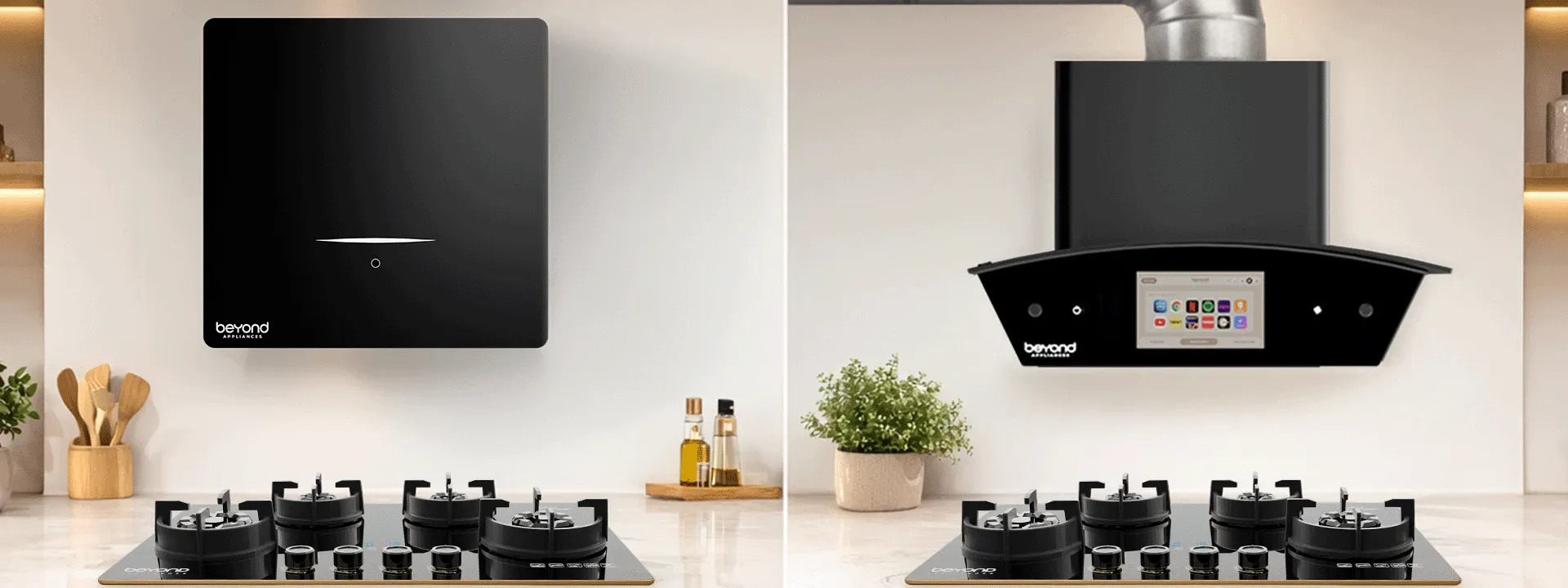
Understanding your chimney is essential for maintaining a safe and efficient home. Whether you have a traditional fireplace or a modern kitchen chimney, knowing how these systems work can help you make informed decisions about maintenance, repairs, and upgrades. Many homeowners take their chimneys for granted until problems arise, but a basic understanding of chimney function and components can prevent costly issues and ensure your family's safety.
A chimney definition in its simplest form describes a vertical structure designed to safely vent smoke, gases, and combustion byproducts from your home to the outside atmosphere. The chimney purpose extends far beyond just removing smoke – it creates a safe pathway for dangerous gases like carbon monoxide to exit your living space.
When people ask what is a chimney, they often think only of traditional fireplace chimneys. However, modern homes feature various types of chimneys serving different purposes. Kitchen chimneys, for instance, remove cooking odors, grease, and steam from your cooking area, while traditional chimneys handle combustion gases from fireplaces or heating systems.
The historical evolution of chimneys shows remarkable engineering progress. Early homes simply had holes in the roof to let smoke escape, which was inefficient and dangerous. Modern chimneys use scientific principles to create proper draft and ensure complete ventilation. This evolution has made our homes safer and more comfortable.
Safety remains the primary reason chimneys exist. Without proper ventilation, deadly carbon monoxide can accumulate in your home. Kitchen chimneys also play a crucial safety role by removing grease-laden air that could otherwise create fire hazards. Understanding this safety aspect helps homeowners appreciate why regular maintenance and proper installation are so important.
The chimney function relies on basic physics principles that create natural ventilation through what experts call the "stack effect." Hot air is lighter than cold air, so heated gases naturally rise through the chimney structure. This creates a pressure difference that draws more air up through the system.
Temperature differences drive this process. When you light a fire or cook on your stove, the heated air becomes buoyant and moves upward through the chimney flue. The greater the temperature difference between inside and outside air, the stronger the draft becomes. This is why chimneys work better in cold weather when the temperature differential is greatest.
Proper draft depends on several factors working together. The height of your chimney affects draft strength – taller chimneys generally create better draw. The internal diameter of the flue also matters, as it must be properly sized for the appliance it serves.
Complete combustion requires adequate air supply and proper exhaust. Your chimney system must balance these needs to function efficiently. Poor draft can cause incomplete combustion, leading to dangerous gas buildup and reduced efficiency.
Weather conditions significantly impact chimney performance. Wind can either help or hinder draft, depending on direction and speed. Barometric pressure changes also affect how well your chimney draws. Understanding these factors helps you recognize when your chimney might not be working optimally.
Understanding chimney anatomy helps you communicate effectively with professionals and identify potential problems early. Each component serves a specific purpose in the overall system, and failure of any single part can affect the entire chimney's performance.
The complexity of modern chimney systems might surprise many homeowners. What appears to be a simple brick structure actually contains multiple engineered components working together to ensure safe operation.
The flue liner forms the heart of your chimney system. This heat-resistant barrier protects the chimney walls from high temperatures and corrosive gases. Modern liners are typically made from clay tiles, stainless steel, or specialized concrete.
The damper controls airflow when your fireplace isn't in use. This movable plate seals the flue to prevent heated indoor air from escaping up the chimney. Kitchen chimneys often have similar mechanisms to control ventilation.
The chimney crown caps the top of masonry chimneys, preventing water from entering the structure. This concrete or stone surface slopes away from the flue opening to direct water off the chimney.
A chimney cap sits above the crown, providing additional weather protection and preventing animals from entering your chimney. Many caps include spark arrestors to prevent embers from escaping and potentially starting fires.
Flashing creates a waterproof seal where your chimney meets the roof. This metal barrier prevents water from entering your home around the chimney base. Proper flashing installation is crucial for preventing expensive water damage.
Different types of chimneys serve various purposes and offer distinct advantages. Understanding these differences helps you choose the right system for your needs and maintain it properly.
Traditional masonry chimneys remain popular for their durability and classic appearance, while modern prefabricated systems offer cost-effective alternatives with excellent performance.
Brick and stone chimneys represent the classic approach to chimney construction. These systems typically feature clay tile liners surrounded by masonry walls. While expensive to build, properly maintained masonry chimneys can last for decades.
Masonry chimneys require skilled craftsmanship and quality materials. The thermal mass of brick or stone helps moderate temperature changes, but also means these systems take longer to heat up and create proper draft.
Metal chimney systems offer faster installation and lower initial costs. These engineered systems use double or triple-wall construction with insulation between layers. Many kitchen chimneys use similar technology adapted for cooking applications.
Prefabricated chimneys heat up quickly and create good draft almost immediately. They're also lighter than masonry systems, requiring less structural support.
Kitchen chimneys represent a specialized category designed specifically for cooking ventilation. These systems remove cooking odors, grease, and moisture while often incorporating filtration technology. Modern kitchen chimneys may be ducted to the outside or use recirculation with advanced filters.
Chimney maintenance prevents dangerous situations and extends your system's lifespan. Regular care is much less expensive than major repairs or dealing with fire damage.
Professional maintenance should complement your own regular inspections. Understanding what to look for helps you identify problems early and know when to call experts.
Annual chimney inspection by qualified professionals ensures your system operates safely. These experts check for structural damage, proper clearances, and adequate ventilation. They also verify that all safety components function correctly.
Between professional visits, homeowners should perform visual inspections. Look for obvious damage like cracked crowns, damaged caps, or rust on metal components. Check for white staining on exterior masonry, which indicates moisture problems.
Professional cleaning removes dangerous creosote buildup and other debris that can block proper ventilation. The frequency depends on usage – heavily used chimneys need more frequent cleaning than occasional-use systems.
Kitchen chimneys require different maintenance, focusing on grease removal and filter cleaning or replacement. These systems often need more frequent attention due to daily use.
Seasonal preparation helps prevent problems. Before heating season, ensure dampers operate properly and caps are secure. After winter, check for damage from freeze-thaw cycles or storm damage.
Recognizing when you need chimney repair can prevent minor issues from becoming major safety hazards. Some problems require immediate attention, while others can be scheduled for convenient times.
Understanding the difference between urgent and routine repairs helps you prioritize safety while managing costs effectively.
Smoke entering your room instead of going up the chimney indicates a serious problem requiring immediate attention. This could signal blockage, structural damage, or inadequate draft.
Strong odors when the system isn't in use often indicate animal intrusion, water damage, or other problems that need prompt resolution. These issues can affect indoor air quality and create health concerns.
Cracked chimney crowns allow water to enter the system, leading to expensive damage over time. While not immediately dangerous, these repairs should be scheduled promptly to prevent worse problems.
Damaged flashing around the chimney base can cause water damage to your home's structure. This type of repair often requires coordination between roofing and chimney professionals.
Deteriorating mortar joints in masonry chimneys indicate the need for repointing or more extensive repairs. Catching these problems early prevents complete rebuilding later.
The main purpose of a chimney is to safely remove smoke, gases, and combustion byproducts from your home. This includes dangerous carbon monoxide and other harmful substances that result from burning fuel or cooking. Kitchen chimneys specifically remove cooking odors, grease, and moisture.
A properly functioning chimney draws smoke and gases up and out without allowing them to enter your living space. You should not smell smoke or see it coming back into the room. The damper should open and close smoothly, and there should be no unusual odors when the system is not in use.
A chimney is the entire structure, while the flue is the internal passage through which smoke and gases travel. The flue is typically lined with heat-resistant materials and is contained within the larger chimney structure.
Most experts recommend annual chimney inspections, especially for systems used regularly. Kitchen chimneys used daily may need more frequent professional attention, while occasional-use fireplaces might be inspected every other year if used minimally.
While homeowners can perform basic visual inspections and minor maintenance, professional cleaning is recommended for safety and thoroughness. Professionals have specialized equipment and training to safely remove dangerous creosote buildup and identify potential problems.
Poor draft can result from several factors including blockages, improper sizing, insufficient height, or competing air pressures in your home. Weather conditions, nearby trees or buildings, and the condition of the chimney cap can also affect draft performance.
Understanding your chimney system empowers you to maintain it properly and recognize when professional help is needed. Whether you have a traditional fireplace chimney or a modern kitchen ventilation system, the basic principles of safe operation remain the same.
Regular maintenance and prompt attention to problems ensure your chimney continues to protect your family's safety and comfort. The investment in proper care pays dividends in system longevity and peace of mind.
Remember that chimney systems are complex engineered structures requiring respect and proper care. When in doubt, consult with qualified professionals who can provide expert guidance tailored to your specific system and needs.
