

How to Stop Chimney Hood Vibration Instantly
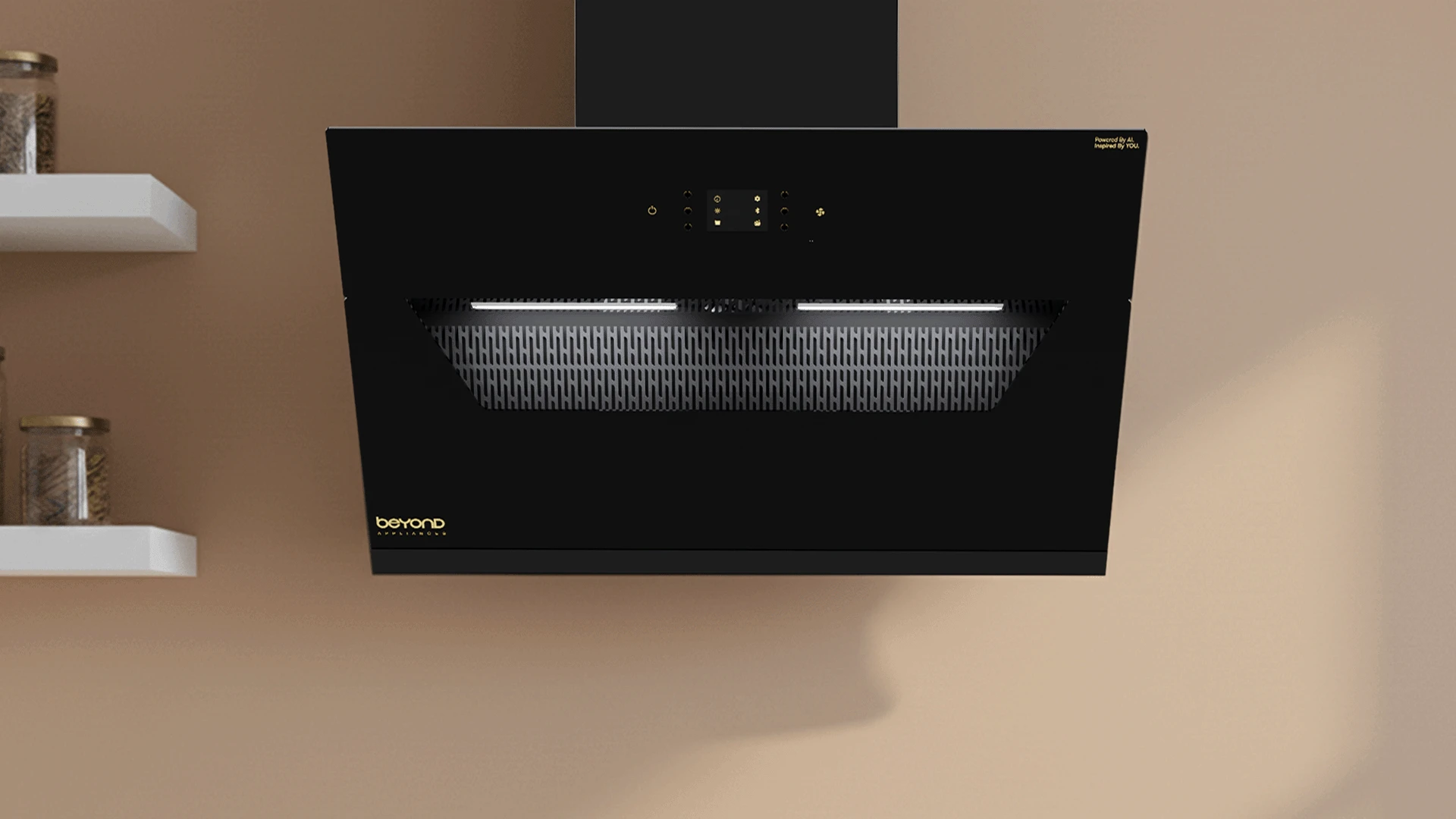
A vibrating chimney hood can turn your peaceful cooking experience into a noisy nightmare. That persistent rattling, humming, or shaking not only disrupts your kitchen's tranquility but may also signal underlying issues that could worsen over time. The good news? Most chimney hood vibrations can be resolved quickly with the right approach. Understanding why your range hood vibrates and knowing the exact steps to fix it will restore your kitchen's calm and ensure your exhaust system works efficiently for years to come.
The question "why chimney hood vibrates sometimes" has several answers, and identifying the specific cause is crucial for applying the right solution. Most vibration issues stem from mechanical problems that develop over time or installation errors that weren't apparent initially. Loose mounting screws and brackets represent the most common culprit behind chimney hood vibration. Over months of regular use, the constant motor operation gradually loosens the hardware that secures your hood to the wall or cabinet. Even a single loose screw can create enough movement to generate noticeable vibration throughout the entire unit. Unbalanced or damaged fan blades create another frequent source of vibration. Grease buildup, food particles, or physical damage can throw the fan assembly out of balance. When an unbalanced fan spins at high speeds, it creates irregular forces that translate into vibration and noise. Worn-out motor bearings develop over years of use, especially in heavily used kitchens. As bearings wear down, they allow more movement in the motor shaft, creating vibration that intensifies at higher speeds. This type of vibration often starts subtly and gradually worsens. Improper installation alignment causes vibration from day one, though it might not become noticeable until the unit settles or other components shift slightly. When the hood isn't perfectly level or properly secured to structural elements, normal operation creates vibration. Ductwork issues and blockages can force your motor to work harder, creating additional vibration. Loose duct connections, damaged ducts, or accumulated debris all contribute to increased system strain and resulting vibration.
Not all range hood noise indicates the same problem, and understanding these differences helps you choose the most effective solution. Different vibration patterns point to specific underlying issues. Rattling sounds typically indicate loose hardware or objects vibrating against the hood body. This type of noise often comes and goes based on fan speed and may be more noticeable at certain speeds where resonance occurs. Humming vibrations usually suggest motor-related issues, such as worn bearings or electrical problems. These vibrations tend to be more consistent and may increase gradually over time as components continue to wear. Intermittent vibration patterns often point to balance issues with the fan assembly. The vibration may be more pronounced at specific speeds and might vary based on how long the unit has been running. Speed-related vibration issues help narrow down the cause significantly. If vibration only occurs at high speeds, the problem likely involves fan balance or motor strain. Vibration at all speeds suggests mounting or structural issues.
Start your diagnosis by running the hood at different speeds while listening carefully to the type and intensity of noise. Note whether the vibration is constant or intermittent, and observe if it changes with fan speed. Visually inspect all visible mounting hardware for obvious looseness. Gently try to move the hood body to check for excessive play in the mounting system. Check the fan blades for visible damage, excessive grease buildup, or obvious imbalance. Look for any objects that might have fallen into the fan housing.
These proven solutions address the most common causes of chimney hood vibration. Start with the simplest fixes before moving to more complex repairs.
Begin by turning off power to your range hood and allowing it to cool completely. Using appropriate screwdrivers or wrenches, systematically check and tighten every visible screw, bolt, and bracket. Pay special attention to the mounting brackets that secure the hood to your wall or cabinet. These bear the most stress and are most likely to loosen over time. Don't overtighten, as this can strip threads or crack mounting surfaces.
Remove the fan assembly according to your manufacturer's instructions. Clean each blade thoroughly with degreasing solution to remove buildup that could cause imbalance. Inspect blades for damage, warping, or missing pieces. Even small amounts of damage can create significant vibration at high speeds. Replace damaged blades or the entire fan assembly if necessary.
Loose ductwork creates kitchen exhaust fan vibration that can be particularly noticeable during operation. Check all visible duct connections for tightness and proper sealing. Use appropriate clamps or tape to secure any loose connections. Ensure that flexible ductwork isn't kinked or compressed, as this forces the motor to work harder and can increase vibration.
Rubber or foam dampening pads between the hood and mounting surface can significantly reduce transmitted vibration. These inexpensive solutions absorb vibration before it reaches your cabinets or walls. Place dampeners at all contact points between the hood and mounting surface. This simple addition often eliminates vibration transmission without addressing the source directly.
If accessible, check the motor mounting within the hood housing. Loose motor mounts allow excessive movement that translates to whole-unit vibration. Some motors benefit from lubrication of accessible bearings, though many modern units have sealed bearings that don't require maintenance. Consult your manual before attempting any motor maintenance.
Many hoods have a "sweet spot" speed where vibration is minimal. Experiment with different speeds to find the optimal setting for your cooking needs while minimizing vibration. Variable speed controls allow fine-tuning that can eliminate vibration at specific speeds where resonance occurs. This solution works particularly well for speed-related vibration issues.
When DIY solutions don't resolve the issue, professional realignment may be necessary. This involves checking the entire installation for proper alignment and structural integrity. Professionals have specialized tools and experience to identify subtle alignment issues that aren't obvious to homeowners. They can also assess whether the mounting structure itself needs reinforcement.
Regular maintenance prevents most vibration problems before they start. Clean your hood monthly, including fan blades and accessible motor components. Schedule annual inspections of mounting hardware, checking for looseness and wear. Tighten hardware as needed, but avoid over-tightening that could cause damage. Monitor your hood's performance for early warning signs like increased noise, reduced suction, or slight vibrations that weren't present before. Addressing issues early prevents more serious problems. Ensure proper installation from the start by using qualified professionals who understand structural requirements and proper mounting techniques.
Age plays a crucial role in repair decisions. Hoods over 10-15 years old may have multiple worn components that make replacement more cost-effective than extensive repairs. Consider replacement when repair costs exceed 50% of a new unit's price. Modern hoods offer improved energy efficiency, quieter operation, and better vibration control than older models. Persistent vibration despite multiple repair attempts often indicates fundamental design or installation issues that replacement can resolve permanently. Upgrading to a higher-quality hood with better motor mounts, balanced fan assemblies, and vibration-dampening features provides long-term value beyond simple repair.
High-speed vibration typically indicates fan imbalance or motor strain. The increased rotational forces at higher speeds amplify any existing balance issues or worn components.
Yes, loose ductwork creates back-pressure that forces the motor to work harder, potentially causing vibration. Loose connections can also rattle against the hood or surrounding structures.
Clean your hood monthly for normal use, or more frequently for heavy cooking. Regular cleaning prevents grease buildup that can unbalance fan blades and cause vibration.
Minimal vibration during operation is normal, but noticeable shaking or rattling indicates installation issues or defective components that should be addressed immediately.
Basic tools include screwdrivers, wrenches, cleaning supplies, and possibly replacement mounting hardware. Always ensure power is disconnected before beginning any work.
Excessive vibration can damage components and mounting structures. Turn off the unit and investigate the cause rather than continuing to operate a vibrating hood.
Most chimney hood vibration issues can be resolved quickly with systematic troubleshooting and basic maintenance. Start with simple solutions like tightening hardware and cleaning components before considering more complex repairs. Regular maintenance prevents most vibration problems and extends your hood's lifespan significantly. Monthly cleaning and annual hardware inspections catch issues before they become serious problems. Know when to call professionals and when replacement makes more sense than continued repairs. Modern hoods offer significant improvements in vibration control and overall performance compared to older units.
