
How to Remove Smoke Smell: Complete Cleanup Guide
Cart
Your cart is empty
Smoke odors can transform your home from a comfortable sanctuary into an unpleasant environment. Whether you're dealing with cooking mishaps, cigarette smoke, or more serious fire damage, understanding the best smoke removal methods is essential for restoring your indoor air quality. The key to successful smoke odor removal lies in addressing both visible residue and invisible particles that penetrate deep into fabrics, walls, and ventilation systems. With the right approach and tools, you can eliminate even the most stubborn smoke smells and create a fresh, healthy living space for your family.
Not all smoke is created equal, and different sources require specific approaches for effective smoke damage cleaning. Understanding the type of smoke you're dealing with helps determine the most appropriate removal strategy. Cigarette smoke contains tar and nicotine that create sticky residues on surfaces. These particles are particularly challenging because they bond with paint, fabric, and porous materials. Cooking smoke from burnt food or overheated oil creates grease-based particles that can coat kitchen surfaces and spread through ventilation systems. Wildfire smoke carries fine particulates that can infiltrate homes even with closed windows, while house fire smoke combines multiple toxic compounds that require professional-grade smoke remediation. Smoke particles are microscopic and can penetrate deep into materials through tiny pores and fibers. This is why simply masking odors with air fresheners never works long-term. The particles continue to release odors over time, especially when humidity levels change or temperatures fluctuate. Health risks from prolonged smoke exposure include respiratory irritation, headaches, and aggravated allergies. Children and elderly family members are particularly vulnerable to these effects, making prompt smoke odor removal a health priority rather than just a comfort issue.
Quick action significantly improves your chances of complete odor elimination. The first 24-48 hours are critical for preventing smoke particles from permanently embedding in your home's materials. Start with emergency ventilation by opening all windows and doors to create cross-ventilation. Position fans strategically to push contaminated air out while drawing fresh air in. Place exhaust fans in windows facing away from prevailing winds to maximize air exchange rates. Source elimination involves removing all visible ash, burnt materials, and contaminated items. Dispose of severely damaged fabrics and porous materials that cannot be effectively cleaned. For cigarette odors, remove all ashtrays, cigarette butts, and tobacco products from the premises. Safety precautions include wearing N95 masks during cleanup and ensuring adequate ventilation before beginning work. Check that electrical systems are safe if dealing with fire damage, and never use water on electrical components without professional inspection.
Light cooking smoke may clear within 2-4 hours with proper ventilation. Cigarette odors typically require 1-3 days of intensive treatment. Fire damage can take weeks or months depending on severity and may require professional intervention.
Natural methods offer safe, cost-effective solutions for many smoke odor situations. These approaches work best for light to moderate contamination and can complement professional treatments. Vinegar solutions neutralize alkaline smoke residues effectively. Place bowls of white vinegar throughout affected rooms, replacing them every 24 hours. Create cleaning solutions using one part vinegar to three parts water for wiping down hard surfaces. The vinegar smell dissipates quickly, taking smoke odors with it. Baking soda applications work through absorption and pH neutralization. Sprinkle baking soda generously on carpets and upholstery, let sit for several hours, then vacuum thoroughly. Place open containers of baking soda in closets and cabinets to absorb lingering odors.
Activated charcoal provides superior absorption compared to regular charcoal. Place containers throughout affected areas, focusing on enclosed spaces like closets and cabinets. Replace every 2-3 days for maximum effectiveness.
Fresh coffee grounds absorb odors while providing a pleasant alternative scent. Citrus peels contain natural oils that help neutralize smoke particles. These methods work best as supplementary treatments rather than primary solutions.
Severe smoke contamination requires more aggressive cleaning smoke residue methods. Professional-grade solutions can tackle embedded particles that natural remedies cannot reach. Tri-sodium phosphate (TSP) solutions effectively clean walls and ceilings affected by heavy smoke damage. Mix according to manufacturer instructions and test on inconspicuous areas first. TSP cuts through greasy residues and neutralizes odors at the molecular level. Enzymatic cleaners break down organic compounds in smoke residues. These biological solutions work particularly well on fabrics and upholstery where smoke particles have penetrated deep into fibers. Apply according to product directions and allow adequate dwell time for enzyme action.
Replace all air filters immediately and clean ductwork if contamination is severe. Smoke particles circulate through ventilation systems, recontaminating cleaned areas if not addressed properly.
Ozone generators can eliminate stubborn odors but require careful handling. Never operate ozone equipment in occupied spaces, and ensure proper ventilation before re-entry. Professional ozone treatment may be necessary for severe contamination.
High-quality air purifier for smoke systems provide ongoing protection and accelerate the deodorizing after fire process. Different technologies address various aspects of smoke contamination. HEPA filter systems capture particles as small as 0.3 microns, including most smoke particles. Look for true HEPA certification and appropriate room size ratings. Replace filters according to manufacturer schedules, more frequently during active remediation. Activated carbon filters specifically target odor molecules and chemical compounds. These work in conjunction with HEPA filters to provide comprehensive air cleaning. Carbon filter capacity varies significantly between models, so choose systems with substantial carbon content.
UV-C purifiers destroy bacteria and break down some odor-causing compounds. These systems work best as part of comprehensive air treatment rather than standalone solutions.
Calculate air changes per hour (ACH) requirements based on contamination severity. Position purifiers for optimal air circulation, avoiding corners and obstructions. Run systems continuously during active remediation phases.
Severe smoke damage from house fire cleanup situations often exceeds DIY capabilities. Professional fire damage restoration services have specialized equipment and expertise for comprehensive remediation. Call professionals when structural damage is present, when odors persist after thorough cleaning attempts, or when health symptoms develop. Insurance coverage often requires professional documentation and certified restoration processes. Structural assessment includes checking for hidden damage in wall cavities, insulation, and building materials. Smoke can penetrate areas invisible to homeowners, requiring specialized detection equipment.
Professionals can often salvage items that appear beyond repair using specialized cleaning techniques. Electronics, artwork, and sentimental items may be restorable through professional processes.
Thermal fogging and hydroxyl generation represent cutting-edge restoration technologies. These methods can penetrate areas impossible to reach through conventional cleaning.
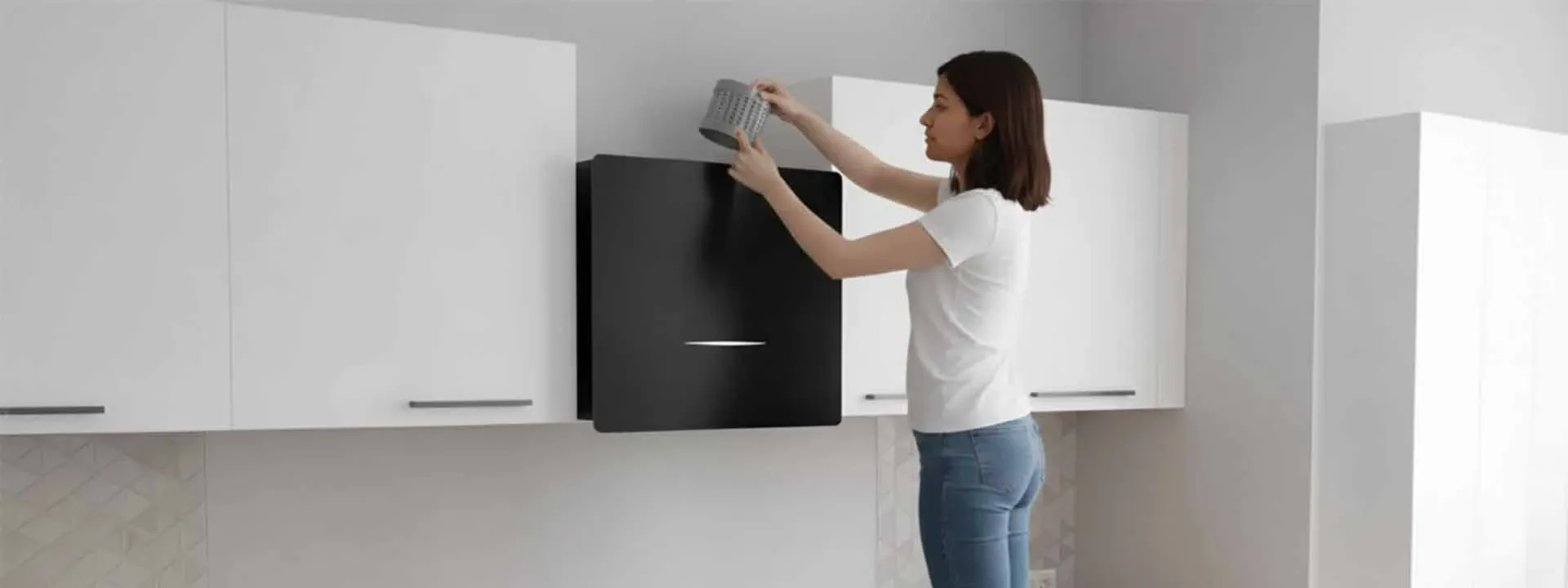
Preventing future smoke contamination protects your investment in cleanup efforts. Regular maintenance and smart prevention strategies keep your home's air quality optimal. Improve kitchen ventilation with high-quality range hoods that effectively capture cooking smoke before it spreads. Proper ventilation reduces the need for extensive smoke damage cleaning after cooking incidents. Regular maintenance schedules should include filter replacements, duct cleaning, and air quality monitoring. Early detection systems alert you to problems before they become major contamination events.
Modern air quality monitors detect particle levels and chemical compounds in real-time. These devices help identify problems early and verify the effectiveness of remediation efforts.
Combine immediate ventilation with activated charcoal placement and professional-grade air purifiers. Focus on source removal first, then address residual odors through multiple methods simultaneously.
Light cigarette odors may clear in 2-3 days with intensive treatment. Heavy, long-term contamination can take several weeks and may require professional ozone treatment or complete repainting.
Vinegar, baking soda, and activated charcoal work well for light to moderate contamination. These methods are most effective when combined with proper ventilation and source elimination.
Contact professionals for fire damage, persistent odors after thorough DIY attempts, health symptoms, or when dealing with valuable items requiring specialized restoration.
High-quality air purifiers with HEPA and activated carbon filters effectively remove smoke particles and odors. Choose models rated for your room size and run continuously during remediation.
Tri-sodium phosphate solutions, enzymatic cleaners, and specialized smoke damage products outperform household cleaners. Always test products on inconspicuous areas first.
Successful smoke odor elimination requires understanding the contamination type and applying appropriate best smoke removal methods. Quick action prevents permanent embedding, while comprehensive approaches address both visible residue and invisible particles. Natural remedies work well for light contamination, but severe damage requires professional intervention. Quality air purification systems provide ongoing protection and accelerate remediation efforts. Remember that prevention through proper ventilation and maintenance is always more cost-effective than extensive cleanup. With patience and the right techniques, even challenging smoke odors can be completely eliminated, restoring your home's comfort and air quality.
