

How to Properly Inspect and Maintain Your Chimney
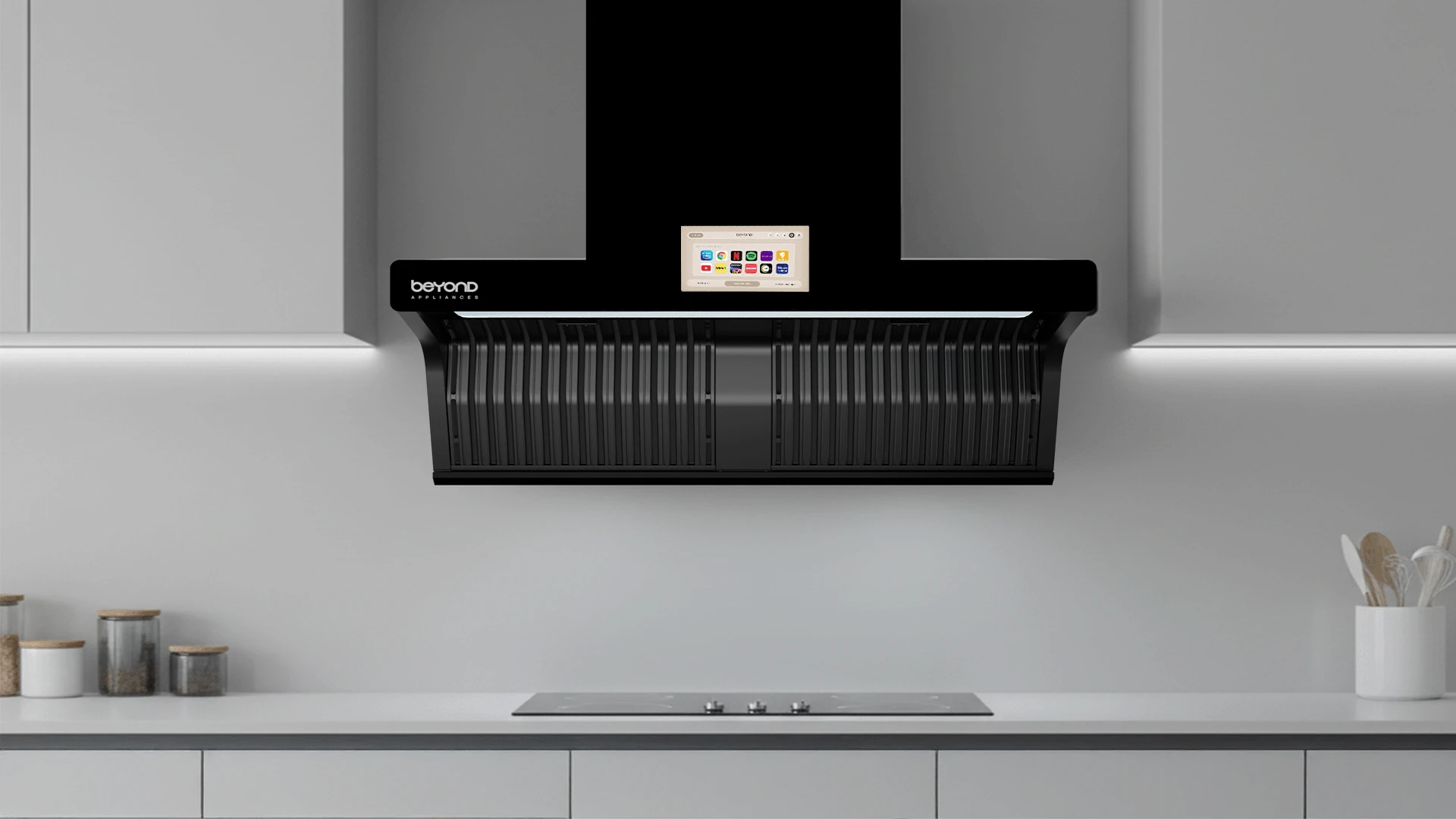
A well-maintained kitchen chimney is essential for a clean and efficient cooking environment. Regular kitchen chimney maintenance prevents costly repairs, protects your home from cooking fumes and odors, and extends your appliance's lifespan. Many homeowners overlook chimney care until problems arise, but proactive inspection and maintenance can save thousands in kitchen chimney repair costs. Modern kitchen exhaust systems, including various chimney types, require regular attention to detail for optimal performance and safety.
Every kitchen chimney system consists of several critical components that work together. The hood or canopy sits at the top, capturing cooking fumes and smoke. Below that, you'll find the filters, which trap grease and other particles.
The motor and fan unit create the suction necessary to remove air contaminants. The ducting system directs the filtered air outside. Understanding these parts helps you identify potential issues during kitchen chimney inspection and maintenance.
The filters are crucial for trapping grease and food particles, while the motor powers the fan for efficient air extraction. The control panel allows you to adjust fan speed and lighting. Each component requires specific attention during maintenance to prevent kitchen chimney repair needs.
Grease buildup affects most kitchen chimney components over time. Clogged filters reduce efficiency, while accumulated grease in ducts creates fire hazards. Motor issues can lead to reduced suction power. Regular inspection catches these issues early.
Start your kitchen chimney inspection from the outside. Check for any visible damage to the external vent. Ensure the vent flaps open and close properly. Examine the hood for any signs of grease accumulation or damage.
Inspect the filters for excessive grease buildup or damage. Test the fan speeds and check for unusual noises. These visual and auditory cues help determine when professional kitchen chimney repair services are necessary.
Check external vent condition and functionality
Examine hood surface for grease or damage
Look for any loose connections or mounting issues
Inspect the control panel for responsiveness
Check for any unusual odors when the chimney is running
Remove the filters and check for excessive grease buildup or damage. Use a flashlight to examine the fan blades and motor housing for grease accumulation. Check for any signs of rust or corrosion within the chimney body.
Professional kitchen chimney beyond what homeowners can safely accomplish. Certified technicians use specialized equipment to examine duct conditions, measure suction efficiency, and identify hidden problems.
It's recommended to have your kitchen chimney professionally inspected annually, especially for heavily used kitchens. Even occasional use warrants inspection every few years to ensure safety and prevent costly kitchen chimney repair issues.
Basic inspections cover readily accessible areas and operational components. Advanced inspections may use cameras to examine internal duct conditions. Comprehensive inspections involve testing electrical components and motor efficiency.
Professional technicians identify problems early, preventing expensive repairs. They provide detailed reports documenting chimney condition and recommended maintenance. Many warranty agreements require professional inspections for coverage validation.
Regular maintenance prevents most kitchen chimney problems and extends system life. Chimney cleaning removes dangerous grease buildup, while proper filter maintenance ensures efficient operation. Consistent care reduces kitchen chimney repair frequency and costs significantly.
Monthly maintenance schedules work best, with major cleaning every 3-6 months depending on usage. This approach catches problems early when repairs are less expensive and disruptive.
Kitchen chimney cleaning removes grease and food particles that can create fire hazards and reduce efficiency. Professional cleaning typically costs less than major appliance repair resulting from neglect. Most chimneys need thorough cleaning every 3-6 months with regular use.
Regular filter cleaning or replacement is crucial for maintaining kitchen chimney efficiency. Washable filters should be cleaned monthly, while replaceable filters may need changing every 3-4 months. Proper filter maintenance prevents motor strain and extends the life of your kitchen chimney.
Grease buildup causes most kitchen chimney problems, from reduced suction to motor failure. Kitchen chimney repair often involves deep cleaning, motor replacement, or electrical troubleshooting. Early intervention prevents extensive damage requiring full kitchen chimney replacement.
Motor issues often follow prolonged operation with clogged filters. Professional assessment determines whether repair or replacement provides the best long-term value for your specific situation.
Reduced suction power often results from clogged filters or duct obstructions. Professional cleaning and inspection can restore performance. In some cases, motor replacement may be necessary to regain full functionality.
Faulty switches, unresponsive controls, or lighting problems require professional attention. These issues often involve complex wiring and should be addressed by certified technicians to ensure safety and proper operation.
Unusual noises or excessive vibration may indicate loose components, fan imbalance, or motor issues. Professional diagnosis identifies the root cause and appropriate repair strategy.
Preventive maintenance costs far less than emergency kitchen chimney repair services. Regular cleaning and inspection prevent most problems. Proper usage practices, such as running the chimney during all cooking activities, reduce grease buildup and extend chimney life significantly.
Monthly filter cleaning or replacement, along with wiping down the hood and control panel, prevents many problems that lead to expensive repairs or reduced efficiency.
Monthly filter cleaning or replacement
Bi-weekly hood and control panel wipe-down
Quarterly deep cleaning of accessible components
Annual professional inspection and servicing
Immediate attention to unusual noises or reduced performance
Always turn on your kitchen chimney before starting to cook to capture fumes effectively. Run the chimney for 10-15 minutes after cooking to clear residual odors and moisture. Use appropriate fan speeds based on cooking intensity to maximize efficiency and minimize noise.
Kitchen chimney repair costs vary based on the issue and model. Minor repairs like switch replacement might cost $50-100, while major repairs such as motor replacement can range from ₹4,000–₹10,000. Professional inspection determines specific repair needs and associated costs.
Simple maintenance tasks like filter cleaning can be DIY projects. However, electrical repairs, motor issues, and major cleaning should be handled by professionals for safety and warranty compliance.
Kitchen chimney repair professionals are often referred to as appliance technicians or kitchen exhaust system specialists. Look for technicians certified by reputable appliance manufacturers or industry organizations.
Annual professional inspections are recommended for regularly used kitchen chimneys. Heavy-use kitchens may benefit from bi-annual inspections. After any unusual noises, reduced performance, or visible damage, immediate professional inspection is essential.
Basic cleaning tasks like wiping down the hood and cleaning washable filters can be done by homeowners. However, deep cleaning of internal components and ductwork is best left to professionals with proper equipment and expertise.
Proper kitchen chimney maintenance ensures efficient operation, prevents fire hazards, and extends appliance life. Regular cleaning and inspection, both DIY and professional, catch problems early when solutions are less expensive and disruptive. Understanding your kitchen chimney's components helps you maintain this critical appliance effectively.
Professional services provide expertise and equipment beyond typical homeowner capabilities. Whether you need routine kitchen chimney cleaning, emergency repair, or complete replacement, qualified professionals ensure work meets safety standards and manufacturer specifications. Invest in regular maintenance to protect your home and family while maximizing your kitchen chimney's performance and longevity.
