

How to Maximize Chimney Performance: A Guide
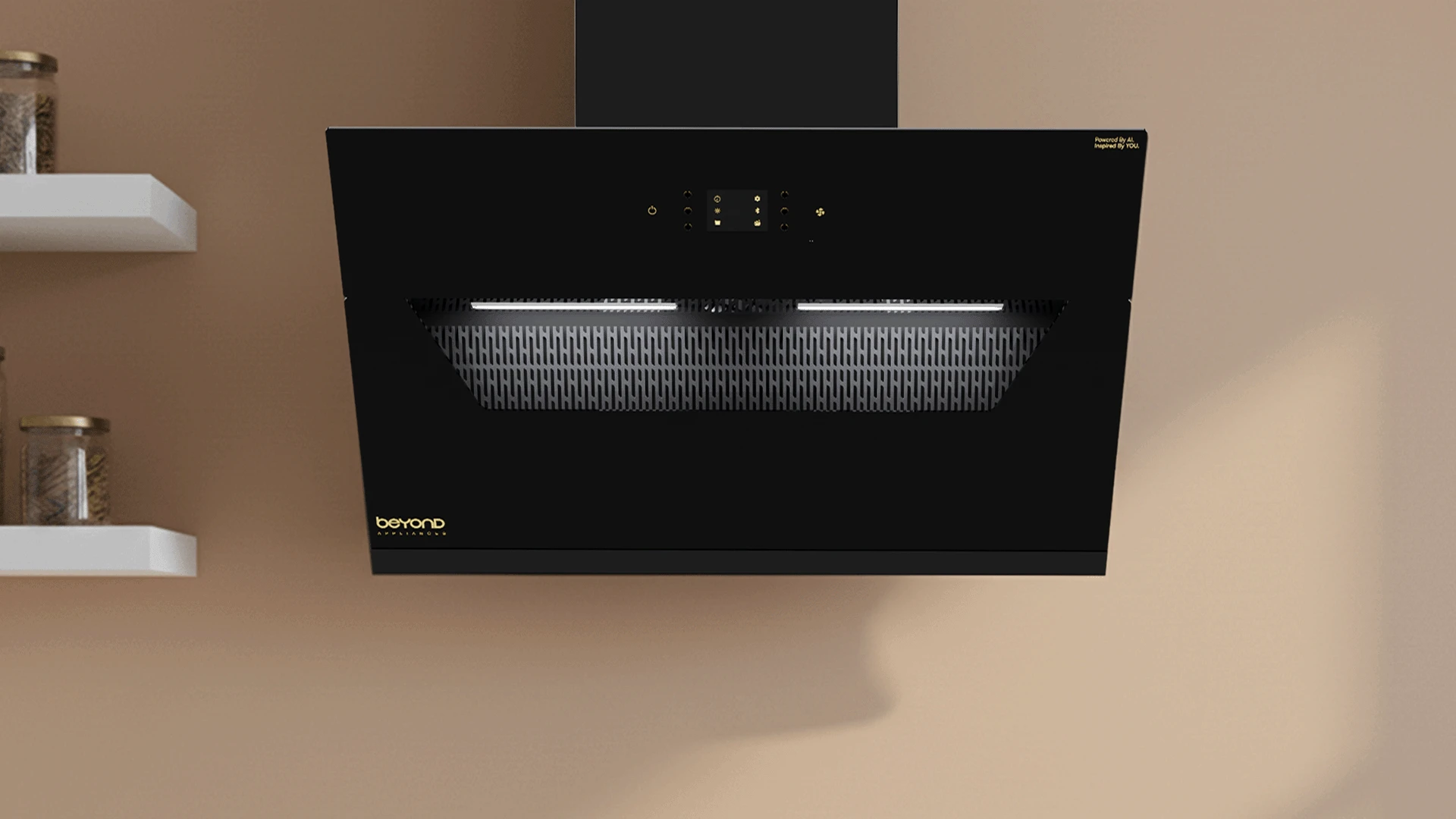
A well-functioning chimney is the heart of any efficient heating system. Whether you're using a fireplace, wood stove, or any heating appliance, proper chimney performance directly impacts your home's warmth, safety, and energy costs. Poor chimney draft can lead to smoke problems, reduced fireplace efficiency, and even dangerous carbon monoxide buildup. Understanding how to maximize chimney performance tips will help you enjoy consistent heating while protecting your family's safety.
Chimney performance relies on basic physics principles that create proper airflow and efficient combustion. The key to optimal performance lies in understanding how temperature differences drive chimney draft and how various factors affect this natural process.
Chimney draft occurs when hot gases rise through the flue, creating a vacuum that pulls fresh air into the firebox. This process depends on temperature differential between indoor and outdoor air. The greater the temperature difference, the stronger the draft becomes. Cold outdoor air is denser than warm indoor air, creating natural upward flow that removes combustion gases efficiently. Proper draft requires adequate chimney height and correct sizing. A chimney that's too short won't create sufficient draft, while one that's too large can actually reduce performance by allowing gases to cool too quickly.
Effective chimney performance shows several clear signs. Strong, consistent draft pulls smoke up and out without backdrafts. Your fireplace efficiency improves when fires start easily and burn cleanly with minimal smoke production. Wood stove performance peaks when you achieve complete combustion with bright, dancing flames rather than smoldering logs. Monitor fuel consumption patterns as well. An efficient system burns wood completely, leaving minimal ash and requiring less frequent refueling.
Proper chimney sizing forms the foundation of good performance. Following established guidelines ensures your chimney can handle the volume of gases your heating appliance produces.
The seven times rule states that your chimney's cross-sectional area should not exceed seven times the area of the smallest flue connector. For example, if your appliance has a 6-inch flue outlet (28 square inches), your chimney should not exceed 196 square inches in area. This rule prevents oversizing, which can cause draft problems and poor wood stove performance. An oversized chimney allows gases to cool too quickly, reducing the natural draft effect.
The 3-2-10 rule governs chimney height requirements. Your chimney must extend at least 3 feet above the roof penetration point and 2 feet higher than any structure within 10 feet horizontally. This positioning prevents downdrafts caused by wind patterns around your roof. Adequate height also ensures sufficient draft strength. Taller chimneys generally perform better because they create greater temperature differential and stronger upward airflow.
Maximizing airflow requires attention to fire-building techniques, fuel selection, and system operation. These factors work together to create optimal conditions for strong chimney draft.
Begin each fire with dry kindling and small, seasoned wood pieces. Build fires from the top down, placing larger logs on the bottom and progressively smaller pieces on top. This method creates immediate heat that warms the chimney flue quickly. Warm chimneys draft better than cold ones. Before lighting your main fire, burn newspaper or small kindling to pre-warm the flue. This technique eliminates cold air plugs that can cause smoke problems.
Burn only seasoned hardwood with moisture content below 20 percent. Wet wood produces more smoke, less heat, and increases creosote buildup. Oak, maple, and ash provide excellent heat output and burn cleanly when properly seasoned. Split wood to appropriate sizes for your firebox. Pieces should be 3-6 inches in diameter for most residential fireplaces. Smaller pieces ignite faster and create the quick heat needed for good draft.
Ensure adequate air supply for combustion. Open dampers fully when starting fires, then adjust as needed once strong draft establishes. Many homes are too airtight for proper fireplace operation, requiring slightly opened windows to provide replacement air. Keep glass doors open during active burning to maximize airflow. Close them only when banking fires for overnight burning or when the fire has died to coals.
Regular maintenance prevents performance degradation and safety hazards. Establishing consistent cleaning and inspection schedules keeps your chimney operating at peak efficiency.
Schedule annual chimney inspection and cleaning, or after burning each cord of wood. Professional cleaning removes creosote buildup that restricts airflow and creates fire hazards. Certified technicians can identify structural issues that affect performance. Creosote buildup occurs naturally during combustion but accumulates faster with poor burning practices. This tar-like substance restricts flue diameter and can ignite, causing dangerous chimney fires.
Perform monthly visual inspections of accessible chimney components. Check damper operation to ensure it opens and closes completely. Inspect chimney cap and spark arrestor for damage or blockages from debris. Remove ash regularly but allow it to cool completely before disposal. Store cold ashes in metal containers away from combustible materials. Never use water to extinguish fires, as this creates steam that can damage masonry.
Stainless steel liners improve performance by maintaining higher flue gas temperatures. Insulated liners work even better, keeping gases hot throughout their journey up the chimney. This prevents condensation and maintains strong draft. Replace damaged clay tiles promptly, as cracks allow heat transfer to combustible materials and reduce draft efficiency.
Smoke problems indicate draft issues that require immediate attention. Understanding common causes helps you implement quick fixes and prevent recurring issues.
Backdrafts occur when smoke enters your room instead of going up the chimney. This happens due to insufficient draft, blocked flues, or negative air pressure in your home. Wind conditions can also force smoke back down the chimney. Poor draft symptoms include difficulty starting fires, smoke spillage, and weak flame patterns. These issues often worsen during certain weather conditions or times of day.
The newspaper test helps identify draft direction. Light a piece of newspaper and hold it in the firebox opening. Smoke should be drawn up the chimney immediately. If smoke comes into the room, you have draft problems. Open a window slightly to provide replacement air if your home is too airtight. Modern homes often lack sufficient air infiltration for proper fireplace operation.
Beyond basic maintenance, several upgrades can significantly improve chimney performance and fireplace efficiency. These investments pay dividends in better heating and reduced maintenance needs.
Insulating the space around chimney liners keeps flue gases hotter longer, improving draft and reducing creosote formation. Insulation also prevents heat loss through chimney walls, making your heating system more efficient. Pour-in insulation products work well for existing chimneys, while new installations can incorporate rigid insulation boards around liners.
Prepare chimneys for winter use by removing summer blockages like bird nests or leaves. Check that dampers operate smoothly after months of non-use. Schedule professional cleaning before heavy heating season begins. During summer, keep dampers closed to prevent air conditioning loss and animal intrusion. Consider installing chimney caps if you don't already have them.
Modern damper systems provide better sealing and easier operation than traditional designs. Top-sealing dampers eliminate air leaks and improve energy efficiency when fireplaces aren't in use. Chimney fans can solve persistent draft problems in challenging installations. These electric fans create mechanical draft when natural draft is insufficient.
Fire safety practices protect your family while maintaining optimal chimney performance. Regular attention to safety details prevents dangerous situations and extends system life.
Install carbon monoxide detectors near sleeping areas and on every level of your home. Test batteries regularly and replace detectors according to manufacturer recommendations. Carbon monoxide is odorless and deadly, making detection equipment essential. Never burn treated lumber, painted wood, or trash in your fireplace. These materials produce toxic fumes and can damage chimney components. Stick to natural, seasoned hardwood for safest operation.
White staining on exterior chimney walls indicates water penetration that can damage masonry and reduce performance. Rust on dampers or fireboxes suggests moisture problems requiring attention. Animals or birds in chimneys create blockages and fire hazards. Install appropriate caps and screens to prevent intrusion while maintaining proper ventilation.
Clean your chimney annually or after burning one cord of wood, whichever comes first. Heavy users may need cleaning twice per year to prevent dangerous creosote buildup and maintain peak performance.
Poor draft results from inadequate chimney height, improper sizing, creosote buildup, damaged liners, burning wet wood, or insufficient air supply. Cold weather can also temporarily reduce draft strength.
Use the seven times rule: your chimney's cross-sectional area should not exceed seven times your appliance's flue outlet area. Consult professionals for precise calculations based on your specific installation.
Smoke spillage indicates draft problems caused by blocked flues, insufficient chimney height, negative air pressure in your home, or cold chimneys. Try opening a window slightly and warming the flue before lighting fires.
Burn seasoned hardwoods like oak, maple, or ash with moisture content below 20 percent. Avoid softwoods and wet wood, which produce more smoke and creosote while generating less heat.
Maximizing chimney performance requires attention to proper sizing, regular maintenance, and correct operation techniques. Follow the seven times rule for sizing and 3-2-10 rule for height to ensure adequate draft. Burn only seasoned hardwood and maintain annual cleaning schedules to prevent creosote buildup. Invest in professional inspections and consider upgrades like insulated liners for improved efficiency. Address smoke problems promptly by checking draft conditions and ensuring adequate air supply. With proper care and attention, your chimney will provide safe, efficient heating for many years while protecting your family's comfort and safety.
