

How to Master Different Cooking Methods Explained
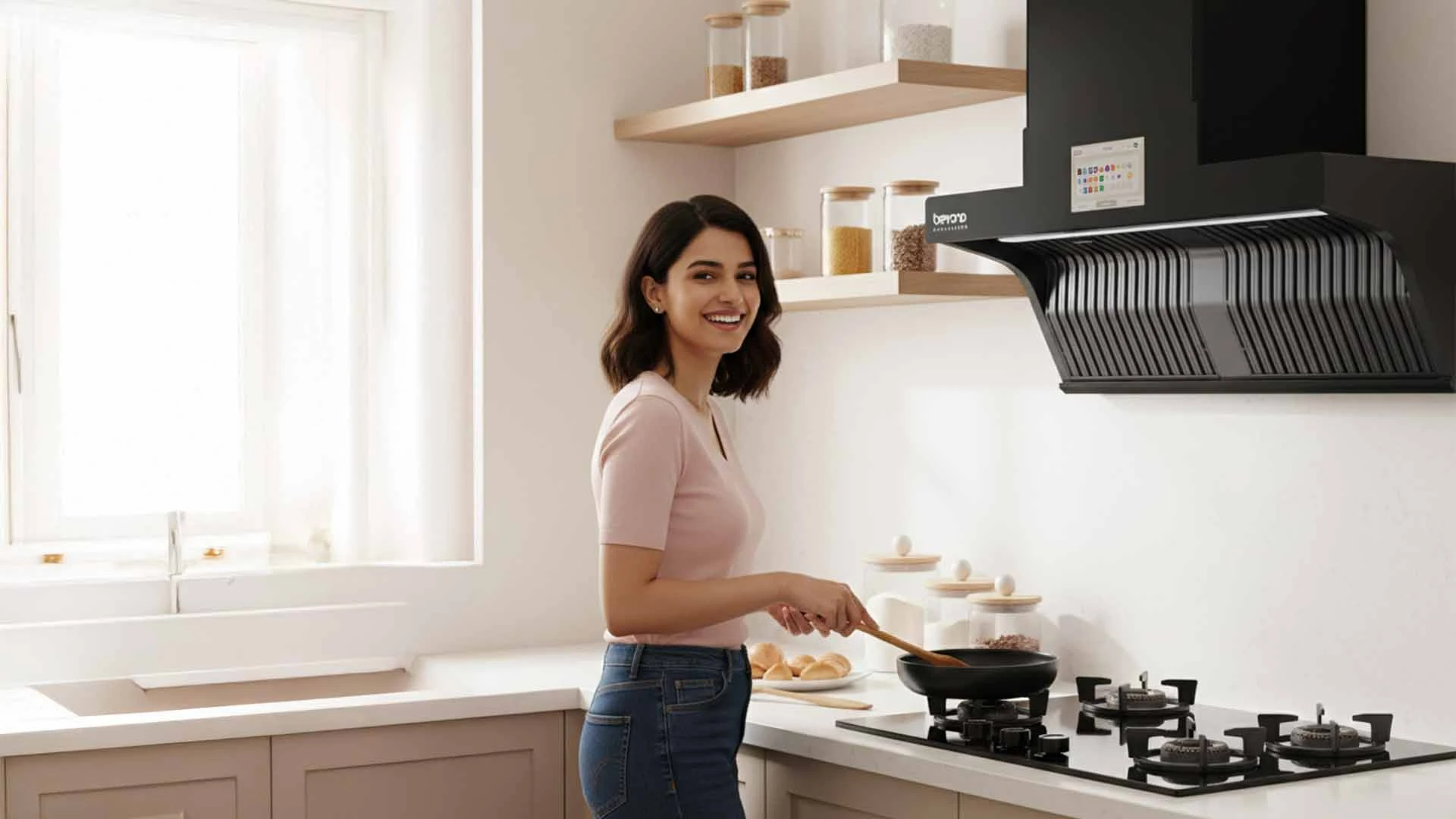
Cooking is an art that transforms simple ingredients into delicious meals. Understanding different cooking methods explained helps you create better flavors, textures, and healthier dishes. Each technique uses heat differently to achieve specific results. Whether you're searing meat for a crispy exterior or steaming vegetables to preserve nutrients, the right method makes all the difference. Modern kitchens equipped with quality appliances make mastering these techniques easier than ever.
All cooking techniques fall into three primary categories based on how heat transfers to food. Dry heat methods use air, fat, or metal to transfer heat without moisture. Moist heat methods use water, steam, or other liquids as the heat transfer medium.
Combination methods start with dry heat to develop flavor, then finish with moist heat for tenderness. Understanding these categories helps you choose the right technique for your ingredients and desired results.
Dry heat methods create browning reactions that develop complex flavors. These techniques work best for tender cuts of meat and firm vegetables. Temperatures typically range from 300°F to 500°F depending on the specific method.
Moist heat methods cook food gently and help retain nutrients. These techniques work well for tougher cuts of meat and delicate ingredients. Temperatures stay below 212°F, preventing overcooking.
Combination techniques offer the best of both worlds. You get the flavor development from browning plus the tenderness from slow, moist cooking. These methods work perfectly for one-pot meals and tough proteins.
Dry heat cooking techniques create appealing textures and concentrated flavors through browning reactions. These methods work by surrounding food with hot air, direct contact with heated surfaces, or cooking in hot fat. The absence of moisture allows surface temperatures to exceed 212°F, creating the Maillard reaction that produces golden-brown colors and rich flavors.
Success with dry heat methods depends on proper temperature control and timing. Quality appliances like modern gas stoves and electric cooktops provide precise heat control for consistent results.
Baking methods use dry heat in an enclosed oven environment. This technique works perfectly for breads, pastries, casseroles, and fish. Temperatures typically range from 300°F to 450°F depending on the recipe.
Roasting uses higher temperatures, usually above 400°F, for larger cuts of meat and whole poultry. The key difference lies in temperature and the size of the food being cooked.
Grilling methods use direct heat from below, while broiling applies intense heat from above. Both techniques create attractive grill marks and smoky flavors. Temperature control is crucial for preventing burning while ensuring proper cooking.
Gas grills and electric grills offer different heat characteristics. Gas provides instant temperature control, while electric units maintain steady heat levels.
Frying techniques use hot oil or fat as the cooking medium. Deep-frying completely submerges food in oil heated to 350°F-375°F. This creates a crispy exterior while sealing in moisture.
Shallow-frying uses less oil and works well for cutlets and fish fillets. Sautéing involves quick cooking in a small amount of fat over high heat, perfect for vegetables and tender proteins.
Healthy cooking methods often involve moist heat techniques that preserve nutrients while creating tender textures. These methods use water, steam, or other liquids to transfer heat gently to food. Temperatures remain at or below the boiling point of water, preventing the harsh effects of high heat.
Moist heat methods excel at breaking down tough connective tissues in meat while maintaining the food's natural moisture. These techniques also help preserve water-soluble vitamins that might be lost with other cooking methods.
Boiling involves cooking food in rapidly bubbling water at 212°F. This method works well for pasta, potatoes, and hardy vegetables. The vigorous action helps cook food quickly and evenly.
Simmering uses lower temperatures with gentle bubbling. This technique prevents delicate foods from breaking apart while ensuring thorough cooking.
Steaming food preserves more nutrients than any other cooking method. Steam surrounds food with moist heat without direct water contact. This prevents nutrient leaching while maintaining natural flavors and colors.
Steaming works excellently for vegetables, fish, and dumplings. The gentle heat cooks food evenly without adding fats or oils.
Poaching food involves cooking in barely simmering liquid between 160°F-180°F. This gentle technique works perfectly for eggs, fish, and delicate proteins. The low temperature prevents overcooking while maintaining moisture.
Poaching liquids can include water, broth, wine, or milk. Each liquid adds subtle flavors to the finished dish.
Combination methods merge the benefits of both dry and moist heat cooking. These advanced cooking techniques start with high-heat searing to develop flavors, then continue with gentle moist heat to ensure tenderness. This approach creates dishes with complex flavors and perfect textures.
Professional chefs rely heavily on combination methods for restaurant-quality results. Home cooks can achieve similar success with proper technique and quality cookware.
Braising food begins with searing meat or vegetables in hot fat to develop color and flavor. The food then cooks slowly in a small amount of liquid in a covered pot. This method transforms tough cuts into tender, flavorful dishes.
Braising temperatures stay around 325°F in the oven or low heat on the stovetop. The covered environment creates steam that helps break down connective tissues.
Slow cooking uses very low temperatures over extended periods to achieve maximum tenderness. This method works perfectly for tough cuts of meat, dried beans, and hearty stews. Modern slow cookers make this technique convenient for busy schedules.
The long, gentle cooking process allows flavors to meld while breaking down tough fibers. This results in incredibly tender and flavorful dishes.
Pressure cooking combines moist heat with increased pressure to cook food faster while maintaining tenderness. This method reduces cooking times significantly while preserving nutrients and flavors.
Electric pressure cookers offer precise temperature and pressure control. They're perfect for busy cooks who want slow-cooked flavors in less time.
Selecting appropriate cooking methods depends on several factors including ingredient type, desired texture, available time, and nutritional goals. Understanding how different techniques affect various foods helps you make better cooking decisions. Tender cuts of meat benefit from quick, high-heat methods, while tougher cuts need slow, moist cooking.
Vegetables also respond differently to various methods. Delicate greens wilt quickly with any heat, while root vegetables can handle longer cooking times and higher temperatures.
Tender cuts like steaks and chops work best with dry heat methods such as grilling, broiling, or pan-searing. These quick methods preserve the meat's natural tenderness while developing appealing flavors.
Tougher cuts with more connective tissue benefit from slow, moist methods like braising or stewing. The long cooking time breaks down tough fibers into gelatin, creating incredibly tender results.
Leafy greens cook quickly with steaming or sautéing. Root vegetables like carrots and potatoes can handle boiling, roasting, or steaming. Delicate vegetables like asparagus work well with steaming or quick sautéing.
Firm vegetables like broccoli and cauliflower maintain better texture when steamed rather than boiled. This preserves both nutrients and appealing crunch.
Crispy textures require dry heat methods that remove surface moisture. Tender, moist textures need gentle cooking with added moisture. Understanding these relationships helps you choose methods that achieve your desired results.
Flavor development varies significantly between methods. Dry heat creates browning reactions that add complexity, while moist heat preserves natural flavors.
Quality kitchen equipment makes mastering various cooking methods much easier and more consistent. Modern appliances offer precise temperature control and even heat distribution for professional results. Investing in reliable cookware and appliances pays dividends in cooking success.
Different methods require specific tools for optimal results. Having the right equipment ensures food safety and helps achieve the textures and flavors you want.
Gas stoves provide instant heat control perfect for sautéing and pan-frying. Electric cooktops offer steady, even heat ideal for delicate sauces and gentle cooking. Quality frying pans with heavy bottoms distribute heat evenly for consistent results.
Ovens with accurate temperature controls ensure successful baking and roasting. Convection features circulate air for more even cooking and better browning.
Steamer inserts and bamboo steamers create perfect environments for gentle steaming. Heavy-bottomed pots distribute heat evenly for consistent simmering and boiling. Instant-read thermometers help monitor temperatures for precise poaching.
Quality stockpots with tight-fitting lids maintain proper moisture levels during long cooking processes. Non-reactive materials prevent metallic flavors in acidic dishes.
Dutch ovens excel at braising with their heavy construction and tight-fitting lids. These versatile pots work on stovetops and in ovens for seamless transitions between cooking methods.
Electric pressure cookers combine speed with convenience for modern combination cooking. Slow cookers offer hands-off cooking for busy schedules while delivering tender, flavorful results.
Understanding common cooking mistakes helps you avoid disappointing results and develop better technique. Temperature control errors rank among the most frequent problems home cooks face. Using incorrect temperatures can lead to burned exteriors with raw interiors or overcooked, dry results.
Timing mistakes often stem from not understanding how different methods affect cooking speed. Rushing processes that need time or overcooking delicate ingredients creates texture and flavor problems.
Overheating oil for frying creates bitter flavors and potentially dangerous situations. Using too low temperatures results in greasy, soggy food that absorbs excess oil. Proper thermometers help maintain ideal temperatures for each method.
Oven temperature variations affect baking results significantly. Investing in an oven thermometer ensures accuracy regardless of your oven's built-in gauge.
Starting with cold pans prevents proper searing and browning. Overcrowding pans lowers temperatures and creates steaming instead of browning. Proper preparation and patience lead to much better results.
Not allowing meat to rest after cooking causes juices to run out when cut. This simple step makes a significant difference in final texture and flavor.
Using the wrong pan size affects cooking times and heat distribution. Non-stick pans shouldn't be used for high-heat searing, while cast iron excels at these applications. Understanding equipment limitations prevents damage and improves results.
Inadequate ventilation during high-heat cooking creates smoke and odor problems. Quality range hoods remove cooking byproducts for more pleasant cooking experiences.
The three main types of cooking are dry heat methods (baking, grilling, frying), moist heat methods (boiling, steaming, poaching), and combination methods (braising, stewing). Each category uses different heat transfer principles to achieve specific textures and flavors.
The healthiest cooking techniques include steaming, poaching, grilling, and baking. These methods require minimal added fats while preserving nutrients. Steaming ranks highest for nutrient retention, while grilling allows excess fats to drain away.
Choose cooking methods based on ingredient type, desired texture, available time, and nutritional goals. Tender proteins work well with quick, high-heat methods, while tough cuts need slow, moist cooking. Consider your equipment and skill level when making decisions.
Essential equipment includes quality pans for sautéing and frying, steamer inserts for gentle cooking, and heavy pots for braising. A reliable stove with good temperature control forms the foundation. Thermometers help monitor temperatures for consistent results.
Yes, combination cooking methods like braising start with searing for flavor development, then finish with moist heat for tenderness. This approach creates complex flavors and perfect textures. Many professional recipes use multiple methods for optimal results.
Different methods affect nutrient retention differently. Steaming preserves the most vitamins and minerals, while boiling can leach water-soluble nutrients. Grilling and baking maintain nutrients while allowing excess fats to drain. Choose methods that align with your health goals.
Mastering different cooking methods explained in this guide opens up endless culinary possibilities. Each technique serves specific purposes and creates unique textures and flavors. Understanding when and how to use dry heat, moist heat, and combination methods transforms your cooking from basic to exceptional.
Quality equipment makes a significant difference in results and cooking enjoyment. Modern appliances with precise controls help you execute these techniques consistently. Practice with different methods builds confidence and develops your personal cooking style. Remember that cooking is both science and art – understanding the principles gives you the foundation to create delicious, healthy meals for your family.
