

How to Maintain Your Chimney Duct for Optimal Performance
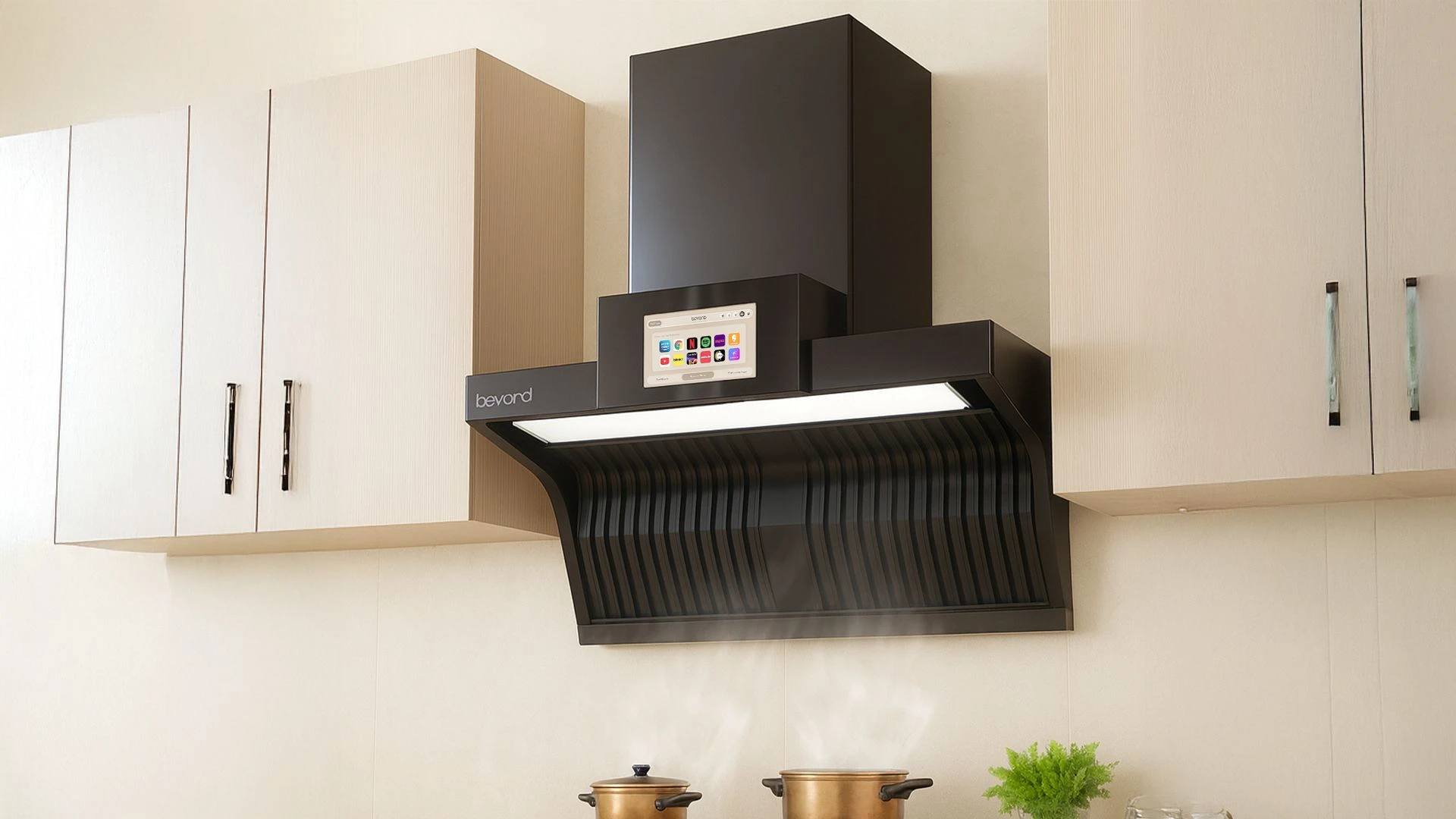
A well-maintained chimney duct is essential for optimal fireplace performance and home safety. Your chimney duct system plays a crucial role in removing smoke, gases, and combustion byproducts from your home while maintaining proper indoor air quality. Regular maintenance ensures efficient fireplace ventilation, prevents costly repairs, and protects your family from potential health hazards. Understanding proper care techniques helps extend the lifespan of your chimney system and maintains peak energy efficiency throughout the heating season.
Your chimney duct serves as the pathway for smoke and gases to exit your home safely. This critical component works in conjunction with other chimney elements to create an effective ventilation system. Proper understanding of these basics helps homeowners make informed decisions about maintenance and repairs.
A chimney flue is the interior passageway that channels smoke and gases upward through your chimney. The flue liner protects the chimney walls from heat and corrosion while improving draft efficiency. Modern flue systems typically feature clay tiles, stainless steel, or cast-in-place concrete liners.
Different chimney duct materials serve various applications and budgets. Flexible aluminum ducts offer easy installation and cost-effectiveness for basic applications. Stainless steel chimney liners provide superior durability and corrosion resistance for long-term performance. PVC options work well for specific gas appliance applications where temperatures remain moderate.
Regular maintenance prevents serious problems and ensures your chimney duct system operates safely and efficiently. Establishing a consistent maintenance routine protects your investment while maintaining optimal fireplace safety standards.
Chimney cleaning should occur annually or after every cord of wood burned. Start by covering furniture and flooring near the fireplace with protective sheets. Remove the damper and inspect for obvious damage or obstructions. Use specialized brushes designed for your specific flue size and material. Cleaning frequency depends on usage patterns and fuel types. Wood-burning fireplaces require more frequent attention than gas units. Professional cleaning services possess specialized equipment and expertise for thorough cleaning and inspection.
Watch for white staining on exterior chimney walls, indicating moisture problems. Rust on dampers or firebox components suggests excessive humidity or water infiltration. Strange odors emanating from the fireplace often signal creosote buildup or animal intrusion. Cracks in the flue liner compromise safety and efficiency. These issues require immediate professional attention to prevent carbon monoxide exposure or structural damage.
Optimal fireplace ventilation depends on proper airflow balance and system design. Understanding these principles helps homeowners maximize performance while minimizing energy efficiency losses.
Traditional ducted systems channel smoke through external venting, providing excellent removal efficiency. These systems require proper installation and regular maintenance but offer superior performance for heavy usage. Ductless systems use filtration and recirculation, making installation easier in some situations. Ducted systems excel in smoke removal and indoor air quality maintenance. Ductless options work well for light cooking but may struggle with heavy smoke production.
Proper duct sizing ensures adequate airflow without creating excessive backdrafts. Undersized ducts restrict airflow and reduce efficiency. Oversized ducts may not maintain proper velocity for effective smoke removal. Sealing air leaks around duct connections improves performance and prevents energy waste. Regular inspection of joints and connections identifies potential problem areas before they become serious issues.
Safety considerations extend beyond basic maintenance to include proper installation and ongoing monitoring. Understanding these factors helps prevent dangerous situations while maintaining optimal system performance.
Proper installation begins with correct sizing calculations based on fireplace output and chimney height. Use appropriate materials rated for your specific application and temperature requirements. Secure all connections with recommended fasteners and sealants. Common installation mistakes include inadequate support for horizontal runs and improper slope angles. These errors can cause performance problems and safety hazards over time.
Clean chimney ducts directly impact indoor air quality by preventing pollutants from entering living spaces. Regular maintenance removes accumulated debris that could harbor bacteria or create unpleasant odors. Proper ventilation reduces humidity levels and prevents mold growth. Efficient chimney operation also improves overall home heating performance by maintaining proper draft and combustion efficiency.
Proactive troubleshooting identifies minor issues before they become expensive repairs. Understanding common problems and solutions helps homeowners maintain their systems effectively.
Blockages from debris, animal nests, or structural damage restrict airflow and create safety hazards. Regular inspection identifies these problems early. Condensation issues often result from temperature differences or inadequate insulation around ductwork. Poor draft performance may indicate sizing problems, obstructions, or damage to the flue liner. These issues require professional evaluation to determine appropriate solutions.
DIY maintenance includes regular visual inspections, debris removal, and basic cleaning tasks. Homeowners can safely perform exterior inspections and minor maintenance with proper safety equipment. Professional services handle complex repairs, flue liner replacement, and comprehensive safety inspections. Budget approximately INR 3,000 to INR 8,000 annually for professional chimney maintenance services. This investment prevents costly repairs and ensures continued safe operation.
Standard sizes range from 6 inches to 12 inches in diameter for residential applications. Size selection depends on fireplace output, chimney height, and local building codes. Consult professionals for proper sizing calculations.
Annual cleaning suits most residential applications. Heavy users or wood-burning fireplaces may require bi-annual service. Gas fireplaces typically need less frequent cleaning but still require annual inspection.
Basic duct installation is possible for experienced DIY enthusiasts. However, complex installations or flue liner replacement require professional expertise. Local building codes may mandate professional installation for safety compliance.
A flue refers to the interior chimney passage, while ducts typically describe the connecting pipes between appliances and the flue. Both terms are sometimes used interchangeably in casual conversation.
Signs include visible cracks, rust damage, poor draft performance, or failed safety inspections. Age exceeding 20-25 years often indicates replacement needs, especially for clay tile liners.
Proper chimney duct maintenance ensures safe, efficient fireplace operation while protecting your home investment. Regular cleaning, inspection, and prompt repairs prevent costly problems and maintain optimal indoor air quality. Understanding basic maintenance principles helps homeowners make informed decisions about professional services and DIY tasks. Investing in quality maintenance today prevents expensive repairs tomorrow while ensuring your family's safety and comfort throughout the heating season.
