

How to Install a Chimney: Expert Safety Guide
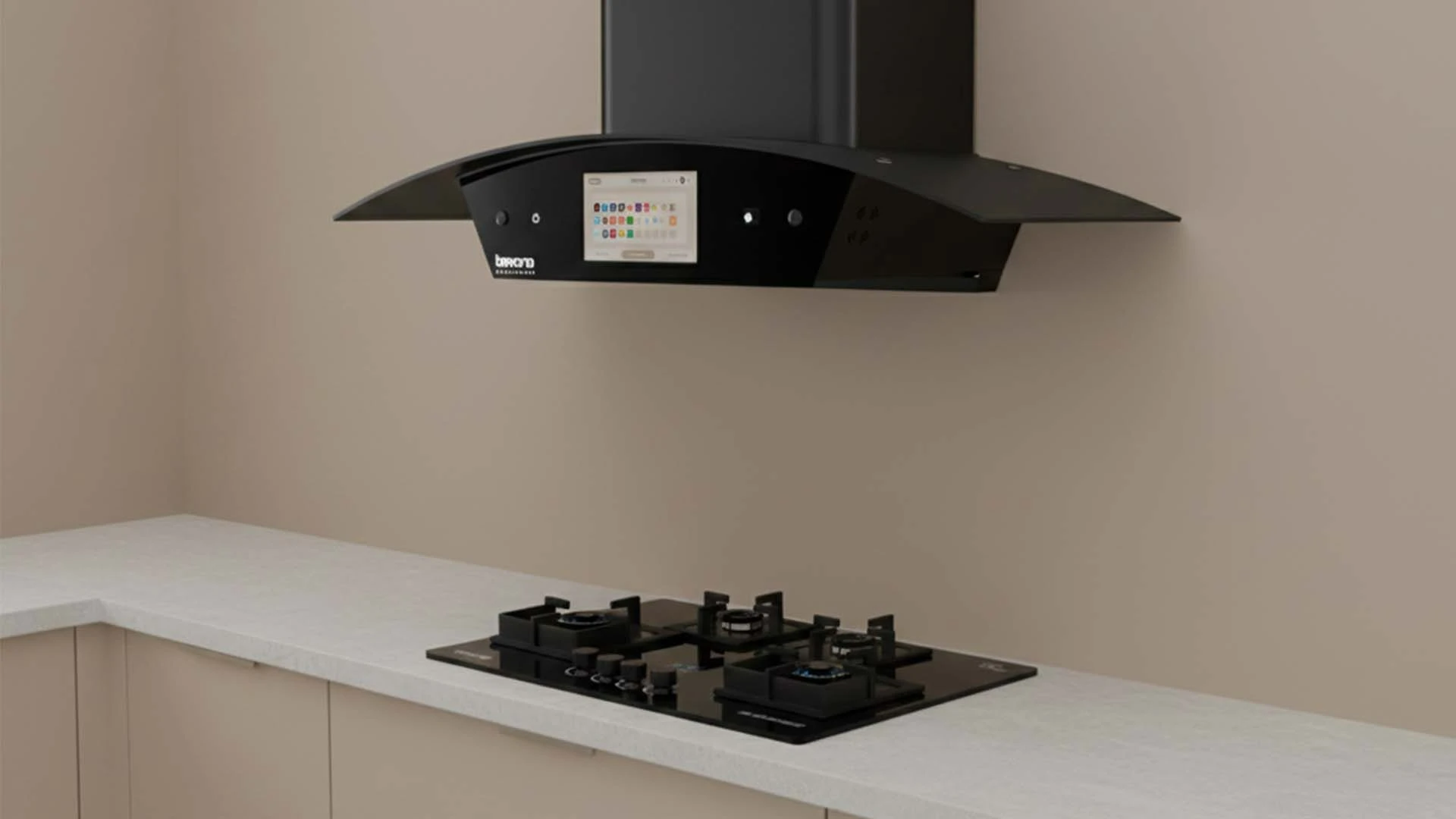
Installing a chimney requires careful planning, precise execution, and strict adherence to safety protocols. Whether you're setting up a kitchen chimney for your cooking range or installing a fireplace chimney system, understanding proper installation techniques can prevent costly mistakes and ensure long-term safety. Modern chimney systems have evolved significantly, offering homeowners various options from traditional masonry to advanced stainless steel venting solutions. This comprehensive guide covers essential chimney installation best practices that every homeowner should understand before beginning any installation project.
Proper chimney installation begins with understanding the regulatory framework that governs these critical home systems. Building codes exist to protect homeowners and ensure installations meet minimum safety standards. The complexity of these requirements often surprises first-time installers, making professional guidance invaluable.
Local building departments require permits for most chimney installations, with inspection schedules varying by jurisdiction. The National Fire Protection Association (NFPA) provides comprehensive standards that form the foundation of most local codes. These standards address everything from clearance requirements to structural support specifications. International Residential Code (IRC) compliance ensures your installation meets nationally recognized safety benchmarks. Manufacturer specifications must also be followed precisely to maintain warranty coverage and ensure optimal performance.
Fireplace installation requires different considerations than kitchen chimney systems. Traditional wood-burning fireplaces need robust masonry or prefabricated metal chimneys capable of handling high temperatures and creosote buildup. Wood stove chimney installations demand precise sizing calculations to ensure proper draft and prevent dangerous backdrafts. Kitchen chimneys for range hoods focus more on efficient grease and smoke removal rather than high-temperature resistance. Multi-fuel appliances present unique challenges requiring specialized venting systems designed for varying fuel types.
Successful chimney installation depends heavily on thorough planning and accurate site assessment. Rushing this phase often leads to expensive corrections later in the project. Professional assessment helps identify potential challenges before they become costly problems.
Masonry chimneys require substantial foundation support, often necessitating dedicated concrete footings extending below the frost line. Roof penetration planning must account for structural members, ensuring adequate support without compromising building integrity. Chimney safety clearances from combustible materials are non-negotiable, typically requiring 2-inch minimum spacing from framing members. Professional structural assessment becomes essential for complex installations or when modifying existing structures.
Chimney liner selection significantly impacts installation complexity and long-term performance. Stainless steel liners offer superior durability and easier installation compared to traditional clay tile systems. Venting systems must match appliance requirements precisely, with oversized or undersized systems creating draft problems. Insulation requirements vary based on installation location and local climate conditions. Cost-benefit analysis should consider initial installation costs against long-term maintenance and energy efficiency.
Proper tools and materials form the foundation of safe, successful chimney installation. Investing in quality equipment pays dividends in installation ease and long-term reliability. Safety equipment should never be compromised, regardless of project budget constraints.
Specialized chimney installation requires tools beyond typical home improvement projects. Laser levels ensure precise alignment critical for proper draft function. Fall protection systems become mandatory for roof work, with safety harnesses and anchor points properly rated for worker weight. Quality testing instruments verify draft performance and identify potential problems before final inspection.
Flue installation components must meet specific temperature and corrosion resistance standards. High-quality chimney caps prevent water intrusion while allowing proper ventilation. Flashing materials should be compatible with roofing materials to prevent galvanic corrosion. Fire-resistant insulation maintains required clearances while improving energy efficiency.
Systematic installation approach ensures nothing gets overlooked while maintaining safety throughout the project. Each phase builds upon previous work, making careful execution essential at every step. Documentation of each phase helps with future maintenance and warranty claims.
Excavation depth must extend below local frost line to prevent foundation movement. Concrete footing dimensions depend on chimney weight and local soil conditions. Moisture barriers protect foundation materials from ground water infiltration. Base alignment affects entire chimney structure, making precision critical from the start. Initial masonry courses establish the foundation for all subsequent work.
Stove pipe installation requires precise measurements and secure connections at every joint. Pipe sizing calculations must account for appliance output and total system length. Draft requirements vary based on fuel type and appliance specifications. Sealing compounds must be rated for expected temperatures and chemical exposure. Connection testing verifies system integrity before final commissioning.
Height requirements exist for specific safety reasons, preventing dangerous downdrafts and reducing fire hazards. Understanding these rules helps homeowners verify proper installation and identify potential problems. Professional installers must demonstrate compliance with all applicable height standards.
The 3-2-10 rule provides minimum height requirements for safe chimney operation. Chimneys must extend at least 3 feet above the roof penetration point. Additionally, chimneys must be 2 feet higher than any structure within 10 feet horizontally. Local variations may impose additional height requirements based on specific conditions. These measurements prevent downdrafts that can force dangerous gases back into living spaces.
Combustible clearances protect surrounding materials from dangerous heat buildup. Standard clearances require 2-inch minimum spacing from framing members. Insulation shields can reduce required clearances in some applications. Heat-resistant materials must be properly rated for expected temperatures. Regular inspection ensures clearances remain adequate as materials age and settle.
Understanding common mistakes helps homeowners avoid expensive corrections and safety hazards. Many installation errors only become apparent after system operation begins. Prevention costs far less than chimney repair after problems develop.
Improper clearance measurements create fire hazards that may not be immediately apparent. Inadequate structural support leads to settling and potential system failure. Poor flashing installation allows water intrusion that damages surrounding materials. Incorrect liner sizing creates draft problems affecting appliance performance and safety. These errors often require extensive correction work affecting multiple building systems.
Draft testing verifies proper airflow before system commissioning. Smoke tests identify leaks that could allow dangerous gases to enter living spaces. Structural inspections ensure adequate support for long-term operation. Weatherproofing tests prevent water damage that compromises system integrity. Documentation of testing results supports warranty claims and future maintenance planning.
Deciding between professional installation and DIY approach requires honest assessment of skills and project complexity. Some aspects of chimney installation require specialized knowledge and equipment. Insurance and liability considerations often favor professional installation for major projects.
Complex structural modifications exceed most homeowner capabilities and tools. Multi-story installations present safety challenges requiring professional equipment and experience. Local code compliance often requires professional certification for permit approval. Insurance policies may require professional installation for coverage validity. Liability concerns make professional installation prudent for major projects affecting home safety systems.
Annual inspections identify problems before they become expensive repairs. Professional cleaning removes dangerous creosote buildup in wood-burning systems. Early warning signs include white staining, rust, or damaged mortar joints. Regular maintenance schedules extend system life while maintaining safety performance. Professional service intervals depend on usage patterns and fuel types.
Most jurisdictions require building permits for new chimney installations or major modifications. Contact your local building department for specific requirements, as permit processes vary significantly between locations. Professional installers typically handle permit applications and inspection scheduling.
Chimney height calculations follow the 3-2-10 rule: 3 feet above roof penetration and 2 feet higher than any structure within 10 feet horizontally. Additional height may be required based on local codes or specific appliance requirements. Professional assessment ensures compliance with all applicable standards.
Stainless steel liners provide excellent durability and corrosion resistance for kitchen chimney applications. These liners handle grease and moisture better than traditional clay tile systems. Proper sizing ensures adequate airflow for effective smoke and odor removal.
Simple installations may be suitable for experienced DIY enthusiasts, but complex projects require professional expertise. Consider your skill level, available tools, and local permit requirements before deciding. Professional installation often provides better warranty coverage and insurance protection.
Annual inspections are recommended for all chimney systems, with cleaning frequency depending on usage patterns. Wood-burning systems typically require annual cleaning, while gas appliances may need less frequent service. Professional assessment determines appropriate maintenance schedules for your specific installation.
Successful chimney installation requires careful planning, quality materials, and strict adherence to safety codes. Understanding height requirements, clearance specifications, and structural considerations prevents costly mistakes and ensures long-term safety. Professional installation offers expertise and liability protection that often justifies the additional cost. Regular maintenance and inspection schedules protect your investment while maintaining optimal performance. Whether installing a kitchen chimney or fireplace system, prioritizing safety and code compliance creates a reliable, efficient system that serves your home for decades.
