
How to Improve Kitchen Air Quality: A Complete Guide
Cart
Your cart is empty
Poor kitchen air quality affects millions of homes, yet many people don't realize the serious health risks lurking in cooking fumes and kitchen odors. Every time you cook, your kitchen releases particles, gases, and chemicals that can impact your family's wellbeing. From grease particles to carbon monoxide, these pollutants accumulate quickly in poorly ventilated spaces. The good news is that improving kitchen air quality doesn't require expensive renovations. With the right combination of proper ventilation systems, smart cooking practices, and targeted air purification solutions, you can create a healthier cooking environment. This comprehensive guide will walk you through proven methods to transform your kitchen into a clean air sanctuary.
Kitchen air pollution comes from multiple sources during everyday cooking activities. When you fry, sauté, or grill food, your kitchen releases fine particles called PM2.5 that can penetrate deep into your lungs. Gas stoves produce nitrogen dioxide and carbon monoxide, while high-heat cooking creates volatile organic compounds (VOCs) that contribute to indoor air quality problems. The health effects of poor kitchen air quality extend beyond temporary discomfort. Short-term exposure to cooking fumes can trigger asthma attacks, cause eye irritation, and worsen respiratory conditions. Long-term exposure to kitchen air pollution has been linked to cardiovascular disease and reduced lung function. Children and elderly family members face higher risks from these pollutants. Recognizing the signs of poor kitchen air quality helps you take action before health problems develop. Lingering cooking odors, visible smoke or steam, condensation on windows, and respiratory irritation during cooking all indicate ventilation problems. Your kitchen's air quality differs significantly from other rooms because cooking generates concentrated pollutants in a small space.
Proper kitchen ventilation forms the foundation of clean air cooking. Effective ventilation systems remove pollutants at their source before they spread throughout your home. The right ventilation solution depends on your kitchen layout, cooking habits, and budget considerations. Modern ventilation systems work by creating airflow patterns that capture and remove contaminated air. The most effective approach combines mechanical ventilation with natural airflow to maintain consistent air quality. Understanding how different ventilation options work helps you choose the best solution for your specific needs.
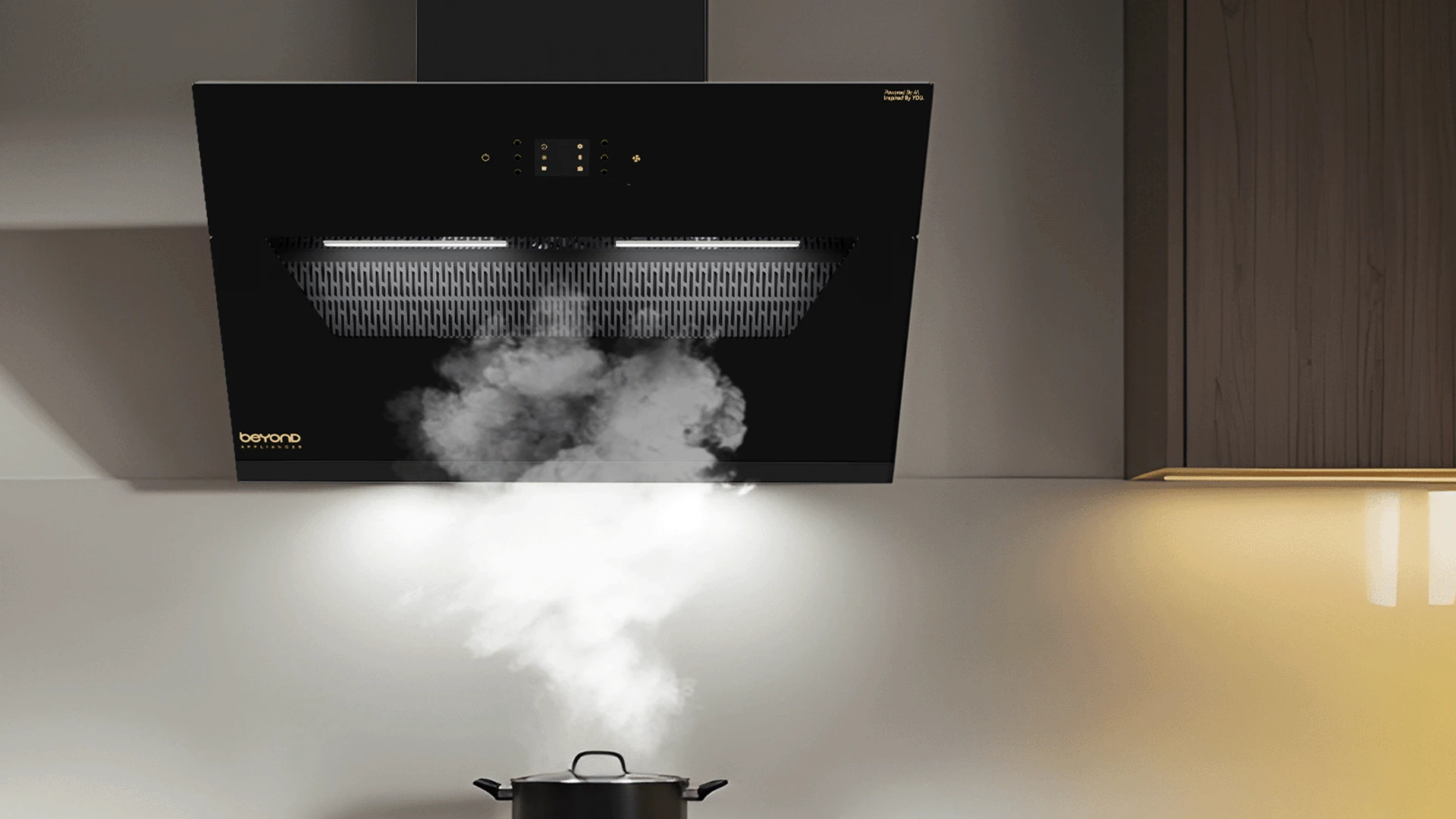
Range hoods represent the most important ventilation investment for your kitchen. Ducted range hoods connect to exterior vents and completely remove polluted air from your home. Ductless models filter air through carbon and grease filters before recirculating it back into the kitchen. Choose a range hood with adequate CFM (cubic feet per minute) capacity for your kitchen size. Multiply your kitchen's square footage by 2 to determine minimum CFM requirements. Install your range hood 24-30 inches above gas cooktops and 20-24 inches above electric surfaces for optimal performance.
Natural ventilation supplements mechanical systems by creating cross-breezes that help remove cooking fumes. Open windows on opposite sides of your kitchen to establish airflow patterns. Position one window near your cooking area and another across the room for maximum effectiveness. Time your natural ventilation efforts with cooking activities. Open windows before you start cooking to establish airflow, then keep them open for 15-20 minutes after finishing. This approach works best during mild weather when outdoor air quality is good.
Kitchen exhaust fans provide additional ventilation support beyond range hoods. Install ceiling-mounted exhaust fans away from cooking areas to remove general kitchen air pollution. Wall-mounted fans work well in kitchens with limited ceiling space. Maintain exhaust fans regularly by cleaning blades and checking motor function. Replace fan motors every 5-7 years to ensure optimal performance. Combine exhaust fans with range hoods for comprehensive ventilation coverage.
Air purifiers complement ventilation systems by continuously filtering kitchen air. These devices capture particles and odors that ventilation systems might miss. The key is selecting air purifiers designed specifically for kitchen environments and cooking-related pollutants. Kitchen air purifiers face unique challenges including grease particles, high humidity, and temperature fluctuations. Look for models with robust filtration systems and easy maintenance features. The right air purifier kitchen setup can significantly reduce cooking fumes and improve overall air quality.
HEPA filters excel at capturing cooking particles, including fine grease droplets and smoke particles. These filters remove 99.97% of particles 0.3 microns or larger. Activated carbon filters specifically target kitchen odors by absorbing volatile organic compounds and cooking smells. UV-C technology destroys bacteria and viruses that might accumulate in kitchen environments. Ionizer features help particles clump together for easier filtration. Choose air purifiers that combine multiple technologies for comprehensive kitchen air cleaning.
Position air purifiers away from direct cooking areas to avoid grease buildup on filters. Place units where they can circulate air effectively without interfering with cooking activities. Avoid corners and enclosed spaces that limit airflow. Calculate your kitchen's air purifier needs using CADR (Clean Air Delivery Rate) ratings. Multiply your kitchen's square footage by ceiling height, then choose an air purifier with CADR ratings that can process this volume 4-6 times per hour.
Your cooking methods and kitchen habits significantly impact air quality. Simple changes in how you prepare food can dramatically reduce pollutant generation. These healthy kitchen practices work alongside ventilation and filtration systems to maintain clean air. Smart cooking techniques minimize the production of harmful particles and gases. The goal is to enjoy delicious meals while protecting your family's health through cleaner cooking methods.
Steaming, poaching, and baking produce fewer airborne particles than frying or grilling. These low-emission cooking methods retain food nutrients while reducing kitchen air pollution. When you must use high-heat methods, use lids and splatter screens to contain particles. Control cooking temperatures to minimize smoke and fume production. Avoid overheating oils, which creates harmful compounds and excessive smoke. Use medium heat settings when possible and monitor food closely to prevent burning.
Induction cooktops produce less ambient heat and air pollution compared to gas stoves. Electric cooktops fall between gas and induction for air quality impact. If you use gas cooking, ensure proper ventilation and consider upgrading to newer, more efficient models. Choose cookware that doesn't release toxic fumes when heated. Avoid damaged non-stick coatings that can emit harmful chemicals. Cast iron, stainless steel, and ceramic cookware provide safer alternatives for high-heat cooking.
Certain plants help purify kitchen air by absorbing common pollutants. Spider plants, pothos, and snake plants thrive in kitchen environments while filtering air naturally. Position plants away from cooking areas to protect them from heat and grease. Natural odor absorbers like baking soda and activated charcoal help control kitchen smells without adding chemical fragrances. Place small bowls of baking soda in cabinets and pantries to absorb odors naturally.
Regular maintenance ensures your air quality systems continue working effectively. Neglected ventilation and filtration equipment loses efficiency over time, allowing pollutants to accumulate. Establishing maintenance routines protects your investment and your family's health. Monitoring air quality helps you understand when systems need attention or adjustment. Modern air quality monitors provide real-time data about your kitchen's air condition.
Clean range hood filters monthly for optimal performance. Grease filters require washing with warm, soapy water, while charcoal filters need replacement every 3-6 months. Check manufacturer guidelines for specific maintenance requirements. Replace air purifier filters according to usage and manufacturer recommendations. Pre-filters may need monthly cleaning, while HEPA filters typically last 6-12 months. Monitor filter condition indicators when available.
Indoor air quality monitors track PM2.5 levels, VOCs, and humidity in real-time. These devices help you understand how cooking activities affect air quality and when to increase ventilation. Look for monitors that provide smartphone alerts and historical data. Key metrics to monitor include particle concentrations during and after cooking, humidity levels that might indicate ventilation problems, and VOC spikes from cleaning products or cooking activities.
Open windows for cross-ventilation, use natural odor absorbers like baking soda, add air-purifying plants, and choose low-emission cooking methods like steaming or baking instead of frying.
Install a properly sized range hood, use exhaust fans, maintain good ventilation, choose appropriate cooking methods, and consider adding an air purifier designed for kitchen use.
Add portable exhaust fans, use natural ventilation through windows, install ductless range hoods, position air purifiers strategically, and improve airflow by removing obstructions.
Yes, certain plants like spider plants and pothos can help filter common indoor pollutants, but they work best as supplements to proper ventilation rather than primary air cleaning solutions.
Clean grease filters monthly with warm, soapy water. Replace charcoal filters every 3-6 months depending on cooking frequency and manufacturer recommendations.
Ducted hoods vent air outside your home, completely removing pollutants. Ductless hoods filter air through carbon and grease filters before recirculating it back into the kitchen.
Improving kitchen air quality requires a comprehensive approach combining proper ventilation, smart cooking practices, and regular maintenance. Start with adequate range hood installation and supplement with natural ventilation when possible. Choose cooking methods that minimize pollutant generation and maintain your equipment regularly for optimal performance. Monitor your progress with air quality meters and adjust your approach based on real-world results. Remember that small changes in cooking habits can make significant differences in your kitchen's air quality and your family's health.
