

How to Fix Sticky Hob Burners: A Complete Guide
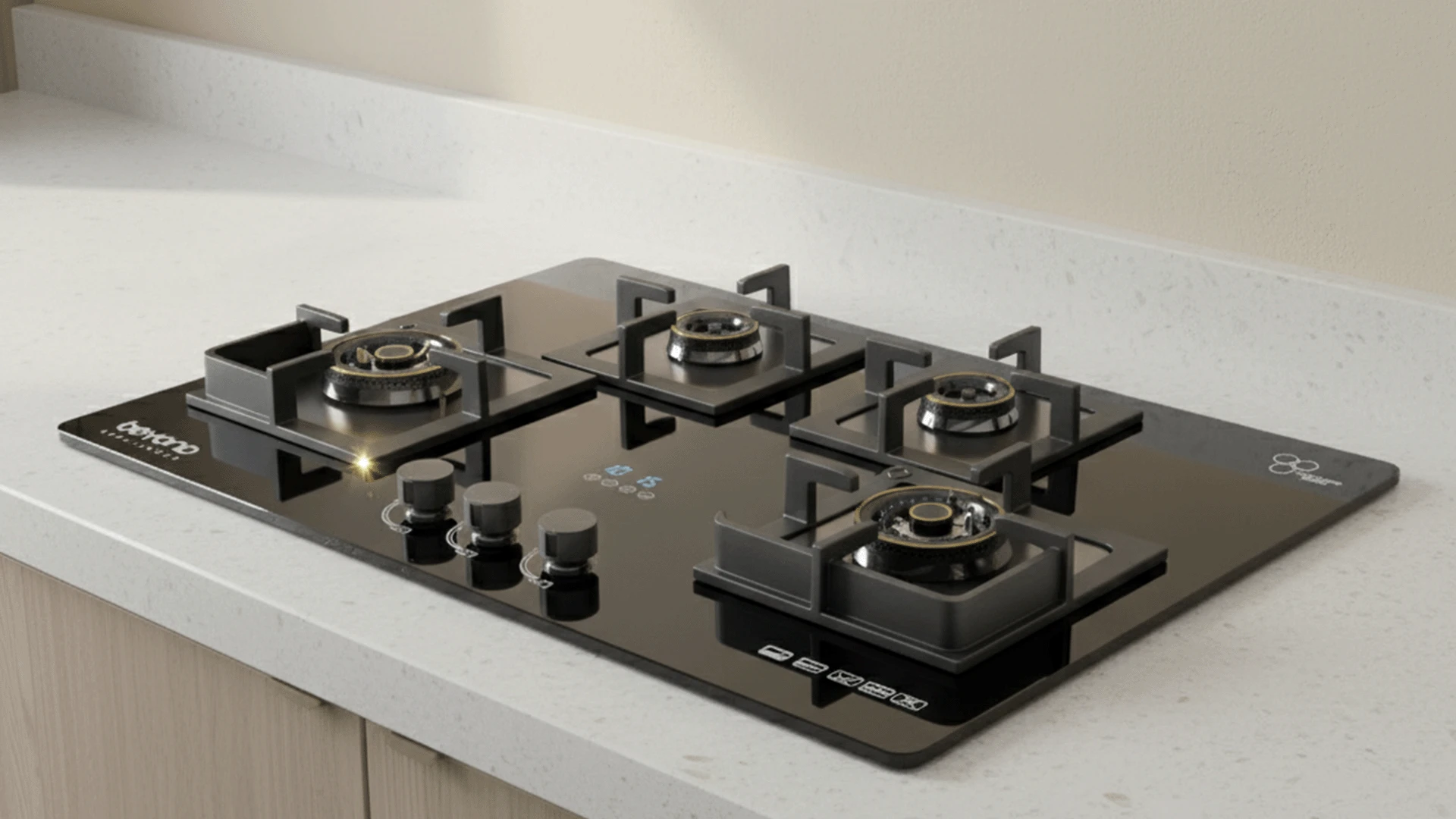
Sticky hob burners can turn your cooking experience into a frustrating ordeal. Whether you're dealing with burnt food residue, grease buildup, or mysterious sticky patches that seem impossible to remove, understanding why hob burners get sticky and how to fix them is essential for maintaining a clean, efficient kitchen. This comprehensive guide will walk you through the causes, solutions, and prevention strategies to keep your hob burners functioning perfectly. From simple daily maintenance to deep cleaning techniques, you'll learn everything needed to restore your cooking surfaces to their original condition and prevent future problems.
Sticky hob burner causes range from everyday cooking mishaps to poor maintenance habits. The most common culprit is grease and oil splatter that accumulates during cooking. When oils heat up, they can splatter onto burner surfaces and surrounding areas, creating a sticky film that attracts dust and food particles. Burnt food particles represent another major cause of sticky buildup. When food spills over during cooking, it can burn onto the hot surface, creating stubborn residue that becomes increasingly difficult to remove over time. Sugar-based spills are particularly problematic because they caramelize when heated, forming a hard, sticky coating that bonds strongly to metal surfaces. Inadequate cleaning frequency allows these residues to accumulate and harden. Many homeowners clean their hobs only when visible buildup appears, but regular maintenance prevents sticky problems from developing. High-heat cooking without proper ventilation also contributes to the issue, as steam and cooking vapors can condense on cooler surfaces, mixing with airborne grease particles.
Humidity levels in your kitchen can accelerate sticky residue formation. High moisture content in the air causes grease particles to become tacky and collect more debris. Poor ventilation systems fail to remove cooking vapors effectively, allowing them to settle on hob surfaces. Temperature fluctuations also play a role. When hot surfaces cool rapidly, condensation can form, mixing with existing grease deposits to create sticky patches. This is why proper cooling and cleaning procedures are essential after cooking.
Successful hob burner cleaning tips start with having the right tools and supplies. Degreasing agents specifically designed for kitchen use are most effective for removing sticky residue. Look for products that cut through grease without damaging your hob's finish. Basic cleaning supplies include microfiber cloths, which trap grease particles effectively without scratching surfaces. Soft-bristled brushes help remove stubborn buildup from crevices and textured surfaces. For safety, always have rubber gloves to protect your hands from cleaning chemicals and hot surfaces. Household items can be surprisingly effective for healthy kitchen cleaning. Baking soda acts as a gentle abrasive that neutralizes odors and breaks down grease. White vinegar dissolves mineral deposits and cuts through sticky residues. Dish soap designed for cutting grease works well for regular maintenance cleaning.
Before starting any cleaning process, ensure your hob is completely cool and disconnected from power sources if possible. Have adequate ventilation by opening windows or running exhaust fans. Keep a bowl of clean water nearby for rinsing cloths and tools. Protective eyewear prevents cleaning solution splashes from reaching your eyes. Non-slip mats around your work area prevent accidents on wet floors during the cleaning process.
Removing sticky residue requires a systematic approach that starts with proper preparation. Begin by ensuring your hob is completely cool to prevent burns and allow cleaning products to work effectively. Remove any loose debris or food particles using a soft brush or cloth. For light sticky buildup, start with a gentle approach. Mix warm water with a few drops of dish soap and apply it to the affected areas using a microfiber cloth. Let the solution sit for 5-10 minutes to soften the residue before gently wiping in circular motions. Stubborn sticky patches require stronger methods. Create a paste using baking soda and water, applying it generously to problem areas. The alkaline properties of baking soda help break down acidic food residues and grease deposits. Allow the paste to sit for 15-20 minutes before scrubbing gently with a soft brush. For extremely stubborn buildup, combine the power of heat and cleaning agents. Apply your chosen cleaning solution and cover the area with plastic wrap to prevent evaporation. The trapped heat helps soften even the most stubborn residues, making removal much easier.
Burnt food on hob requires special attention because it bonds strongly to metal surfaces. Soaking techniques work best for these situations. Apply a generous amount of degreasing solution and cover with a damp cloth. Let it soak for 30 minutes to soften the burnt material. Grease on hob burners often requires multiple cleaning cycles. Start with a commercial degreaser, following manufacturer instructions carefully. Work in small sections to prevent the cleaning solution from drying before you can wipe it away. For persistent grease deposits, repeat the process until surfaces are completely clean. Heat application can help with stubborn residues, but use caution. Slightly warming the hob (not hot enough to burn) can soften sticky deposits. Turn off the heat immediately and apply cleaning solution while surfaces are still warm but safe to touch.
Effective hob burner maintenance focuses on prevention rather than cure. Daily cleaning habits make the biggest difference in preventing sticky buildup. Wipe down hob surfaces after each use while they're still slightly warm, as this makes grease removal much easier. Establish a weekly deep cleaning schedule that includes removing burner components for thorough cleaning. This prevents the accumulation of hidden grease and food particles that can cause persistent odors and sticky surfaces. Protective measures during cooking significantly reduce cleanup requirements. Use splatter screens when frying foods, and keep pot and pan sizes appropriate for burner sizes to minimize spillovers. Proper ventilation during cooking removes grease-laden vapors before they can settle on surfaces.
Address spills immediately while they're still liquid rather than allowing them to cook onto surfaces. Keep cleaning cloths nearby during cooking for quick cleanup of minor spills. Regular inspection of burner components helps identify potential problems before they become serious. Look for signs of wear, corrosion, or damage that might create areas where sticky residues can accumulate.
Hob burner problems often stem from inadequate cleaning or maintenance. Uneven heating frequently results from blocked burner ports caused by sticky residue buildup. Regular cleaning of these small openings ensures proper gas flow and even heat distribution. Performance issues like reduced flame size or difficulty lighting often indicate that sticky deposits are interfering with normal operation. These problems require immediate attention to prevent safety hazards and ensure efficient cooking. When cleaning efforts don't resolve performance issues, professional inspection may be necessary. Some problems require replacement of burner components or adjustment of gas flow rates that should only be performed by qualified technicians.
Sticky residues can create fire hazards if they accumulate near heat sources. Regular cleaning eliminates these risks and ensures safe cooking conditions for your family. Blocked ventilation areas caused by sticky buildup can lead to poor air quality and inefficient exhaust system operation. This affects not only cooking performance but also overall kitchen air quality.
Sticky hob burner causes include grease splatter, burnt food particles, sugar-based spills that caramelize, and inadequate cleaning frequency. High-heat cooking without proper ventilation also contributes to sticky buildup.
Perform deep cleaning weekly for regular use, or more frequently if you cook daily. Daily wiping after each use prevents most sticky buildup problems.
Check your hob manufacturer's guidelines first. Many commercial cleaners are too harsh for certain finishes. Gentle degreasers designed for stovetops are usually safer options.
Always ensure burners are completely cool and gas supply is turned off. Remove burner caps and rings if possible for separate cleaning. Never immerse electrical components in water.
Replace components when cleaning doesn't restore proper function, when you notice corrosion or damage, or when burner ports are permanently blocked despite thorough cleaning attempts.
Maintaining clean, functional hob burners requires understanding why sticky buildup occurs and implementing both cleaning and prevention strategies. Regular maintenance, proper cleaning techniques, and immediate attention to spills prevent most sticky residue problems. When problems do occur, systematic cleaning approaches using appropriate tools and products restore burner performance effectively. Remember that safety always comes first – ensure surfaces are cool and follow manufacturer guidelines for your specific hob type. With consistent care and proper techniques, your hob burners will provide years of reliable, efficient cooking performance.
