

How to Diagnose Chimney Suction Fluctuations
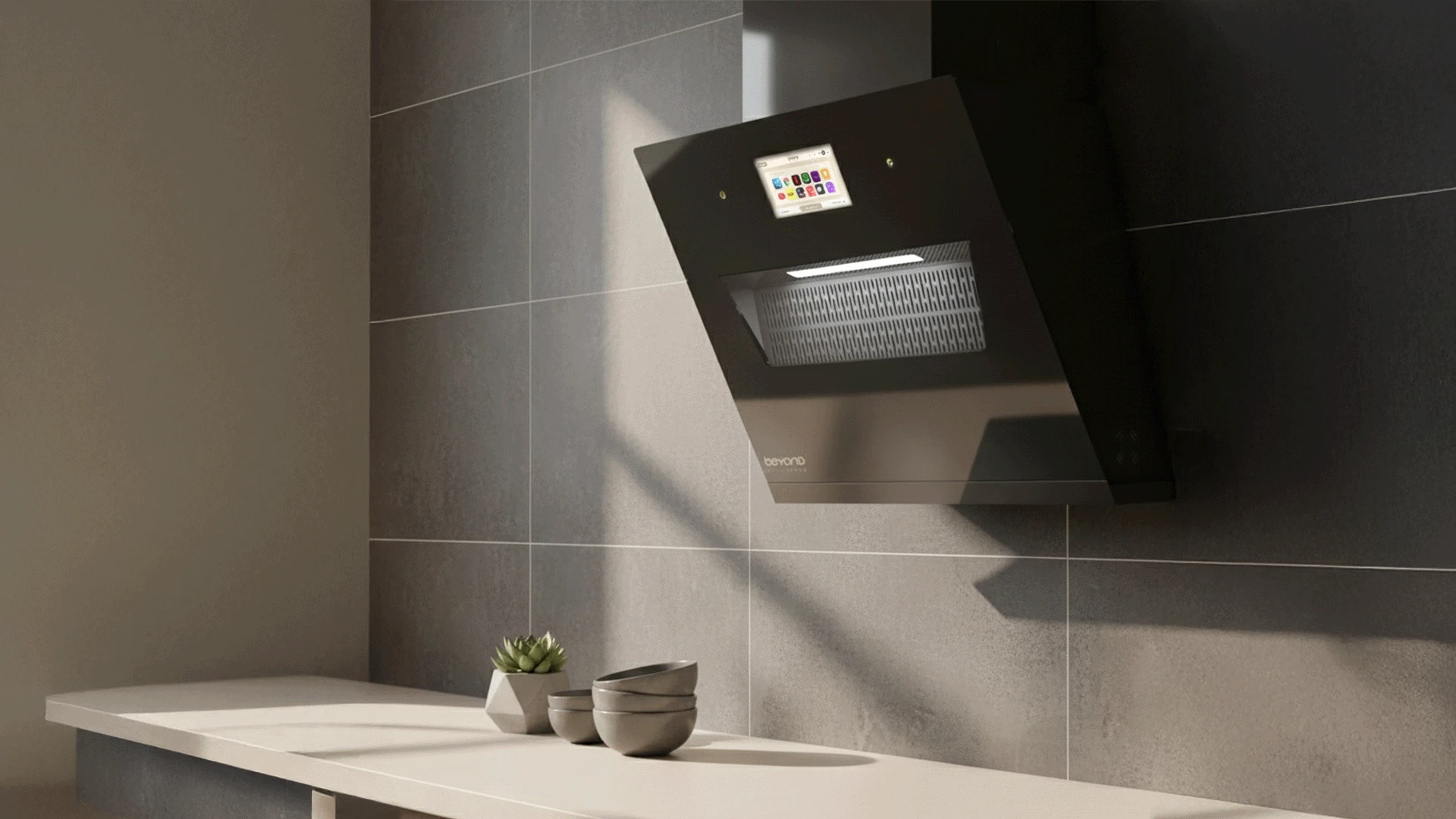
Proper chimney function is essential for safe and efficient fireplace operation. When chimney suction fluctuates, it can lead to smoke entering your home, poor fire performance, and potential safety hazards. Understanding the underlying causes and knowing how to diagnose these issues helps maintain optimal chimney performance year-round.
Many homeowners experience inconsistent chimney draft without realizing the complex factors involved. Weather conditions, structural problems, and home ventilation systems all play crucial roles in chimney airflow regulation. Recognizing the warning signs early can prevent costly repairs and ensure your family's safety.
Chimney draft relies on fundamental physics principles that create natural airflow. The stack effect occurs when warm air inside the chimney rises, creating negative pressure that draws fresh air into the fireplace. This process depends on temperature differences between indoor and outdoor air, making fluctuations normal under certain conditions.
Chimney draft problems become concerning when fluctuations are extreme or unpredictable. Several factors influence this delicate balance, from external weather patterns to internal structural issues.
Thermal dynamics drive chimney suction through temperature differentials. Hot gases naturally rise through the flue, creating a vacuum effect that pulls air from the fireplace opening. The greater the temperature difference, the stronger the draft becomes.
Stack effect principles explain why taller chimneys typically perform better. Height increases the column of warm air, enhancing the pressure differential that creates suction. This is why proper chimney height is crucial for consistent performance.
Seasonal variations in chimney performance are expected. Cold weather typically improves draft due to greater temperature differences, while warm weather may reduce suction strength. These natural fluctuations shouldn't cause smoke spillage or backdraft issues.
Warning signs of serious problems include smoke entering the room, difficulty starting fires, or strong downdrafts. These symptoms indicate fireplace suction issues that require immediate attention to prevent safety hazards.
Multiple factors contribute to chimney pressure changes that affect performance. External weather conditions often trigger temporary fluctuations, while structural problems create persistent issues. Understanding these causes helps identify appropriate solutions.
Home ventilation systems increasingly compete with chimneys for available air. Modern energy-efficient homes can create negative pressure that interferes with natural chimney draft, leading to backdraft situations.
Wind direction significantly impacts chimney performance. Strong winds can create positive pressure at the chimney top, forcing air down the flue instead of allowing natural updraft. Wind patterns around your home's structure influence these effects.
Barometric pressure changes affect air density and movement patterns. Low pressure systems can reduce chimney draft strength, while high pressure may improve performance. Temperature inversions trap cool air near the ground, disrupting normal thermal dynamics.
Inadequate chimney height relative to roof lines and nearby structures creates draft problems. The chimney top should extend at least 3 feet above the roof and 2 feet higher than any structure within 10 feet for optimal performance.
Flue sizing mismatches occur when the flue cross-sectional area doesn't match the fireplace opening. Oversized flues cool gases too quickly, reducing draft strength. Undersized flues restrict airflow, causing smoke spillage and poor combustion.
Exhaust fans, range hoods, and HVAC systems compete for available air in tightly sealed homes. When these systems operate simultaneously with the fireplace, they can create negative pressure that overwhelms chimney draft.
Air-tight construction reduces natural air infiltration that chimneys need for proper operation. Without adequate combustion air supply, chimneys struggle to maintain consistent suction, leading to performance fluctuations.
Systematic diagnosis helps identify the root causes of chimney draft problems. Start with visual inspections before moving to performance testing. This methodical approach ensures you don't miss critical issues that could affect safety or efficiency.
Document your findings throughout the process. Photos and notes help track changes over time and provide valuable information for professional technicians if needed.
Begin exterior inspection at the chimney top. Check for damaged or missing chimney caps, which protect against downdrafts and moisture intrusion. Examine the crown for cracks that allow water penetration and structural damage.
Interior inspection focuses on the damper mechanism and flue condition. Ensure the damper opens fully and seals completely when closed. Look for rust, warping, or debris that might restrict airflow or prevent proper sealing.
Smoke tests reveal airflow patterns and identify problem areas. Light a small piece of newspaper and hold it near the fireplace opening with the damper open. Smoke should be drawn up the chimney consistently without spillage into the room.
Draft measurement using a simple tissue paper test shows suction strength. Hold lightweight paper near the fireplace opening - it should be pulled toward the flue opening when draft is adequate.
Manometer readings provide precise draft measurements in pascals or inches of water column. Professional technicians use these tools to quantify draft strength and identify specific performance issues.
Video inspection cameras reveal internal flue conditions that visual inspection cannot reach. These tools identify blockages, structural damage, or liner problems that affect airflow patterns.
Effective solutions for fireplace smoke issues range from simple adjustments to structural modifications. Start with immediate fixes before considering major renovations. Many draft problems respond well to proper operating techniques and minor adjustments.
Long-term improvements often require professional installation but provide lasting solutions. Consider the cost-benefit ratio when choosing between temporary fixes and permanent upgrades.
Pre-heating the flue improves initial draft by creating temperature differential. Light rolled newspaper and hold it in the damper area for 30-60 seconds before starting your main fire. This technique works especially well in cold weather.
Proper fire-building techniques enhance combustion and reduce smoke production. Use dry, seasoned hardwood and build fires gradually from small kindling to larger logs. Avoid overloading the firebox, which can overwhelm the chimney's capacity.
Chimney height extensions solve many draft problems caused by inadequate height. Adding 2-4 feet often provides dramatic improvement in suction strength and consistency. Professional installation ensures proper structural support and code compliance.
Draft-inducing chimney caps create venturi effects that enhance natural draft. These specialized caps use wind energy to improve suction while preventing downdrafts during adverse weather conditions.
Providing dedicated combustion air eliminates competition between the fireplace and other exhaust systems. Outside air kits supply fresh air directly to the firebox, reducing dependence on indoor air and preventing negative pressure issues.
Coordinating HVAC system operation with fireplace use prevents conflicts. Turn off exhaust fans and adjust air handler settings when using the fireplace to maintain proper pressure balance.
Sustainable solutions address underlying causes rather than symptoms. Regular maintenance prevents many problems from developing, while strategic upgrades improve overall system performance. Investment in quality improvements pays dividends in safety, efficiency, and convenience.
Modern chimney technology offers advanced solutions for persistent draft problems. Smart dampers, electronic draft controls, and automated systems provide consistent performance regardless of weather conditions.
Annual professional inspections identify potential problems before they cause performance issues. Certified technicians check structural integrity, clean accumulated debris, and test safety systems during comprehensive evaluations.
Seasonal maintenance tasks include checking damper operation, removing debris from the chimney top, and inspecting exterior components for weather damage. These simple steps prevent many common draft problems.
Modern damper systems provide better sealing and easier operation than traditional designs. Top-sealing dampers eliminate the common problem of warped throat dampers while improving energy efficiency when the fireplace isn't in use.
Smart chimney technology includes automated draft controls that adjust for changing conditions. These systems monitor temperature, pressure, and airflow to maintain optimal performance automatically.
Weather conditions significantly affect chimney performance. Wind direction, barometric pressure, and temperature differences all influence draft strength. Cold, calm weather typically provides the best conditions, while warm, windy days may cause problems.
Yes, weather has a major impact on understanding chimney performance. Temperature inversions, high winds, and barometric pressure changes can all disrupt normal draft patterns. Some weather-related issues are temporary, while others may require structural solutions.
Weak draft causes smoke spillage, difficulty starting fires, and poor flame appearance. Strong draft creates excessive air consumption, rapid fuel burning, and potential safety hazards. Proper draft draws smoke up consistently without creating excessive airflow.
Backdraft occurs when combustion gases reverse direction and enter the room instead of exiting through the chimney. Downdraft happens when outside air flows down the chimney, often caused by wind or pressure imbalances. Both create safety concerns and require immediate attention.
Costs vary widely depending on the underlying cause. Simple solutions like chimney caps cost INR 5,000-15,000, while major repairs like flue relining can cost INR 50,000-150,000. Professional diagnosis helps identify the most cost-effective solutions.
Inconsistent draft creates safety risks including carbon monoxide exposure and fire hazards. Avoid using the fireplace until draft problems are resolved. Temporary solutions may allow limited use, but permanent fixes ensure safe operation.
Diagnosing chimney draft fluctuations requires understanding the complex factors that affect airflow. Weather conditions, structural issues, and home ventilation systems all play important roles in chimney performance. Regular maintenance and proper operating techniques prevent many common problems.
Professional assessment provides the most accurate diagnosis for persistent issues. While some solutions are suitable for DIY implementation, complex problems require expert knowledge and specialized tools. Investing in proper diagnosis and quality repairs ensures safe, efficient fireplace operation for years to come.
