

How to Determine the Ideal Chimney Pipe Size for Your Home
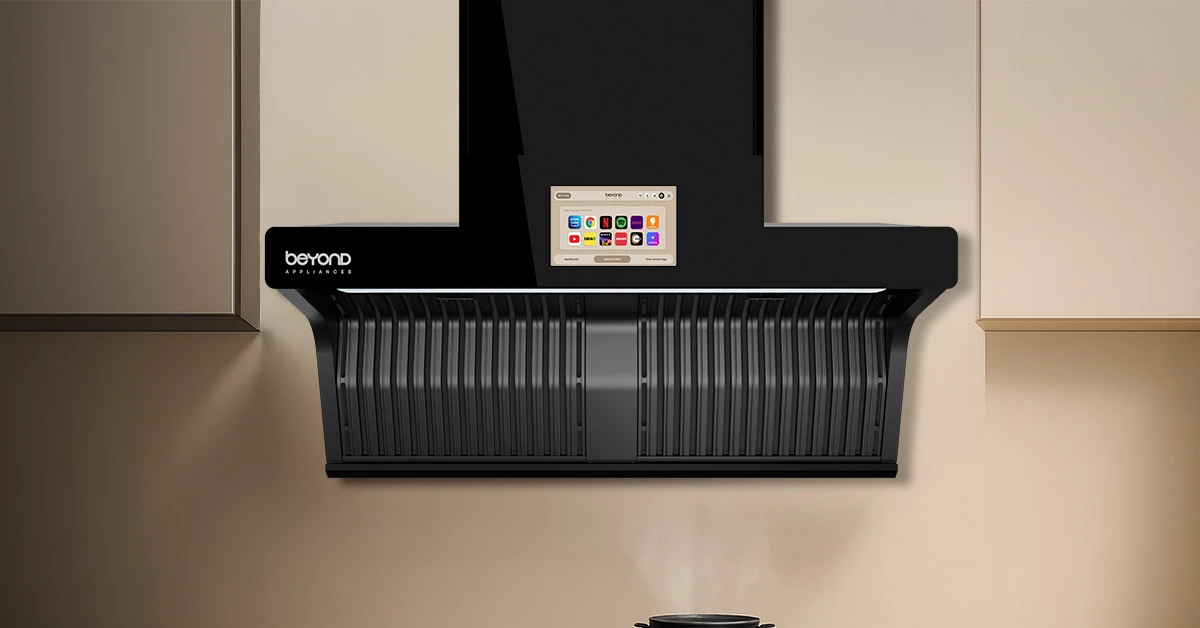
Choosing the right chimney pipe size can make or break your kitchen's ventilation system. Many homeowners struggle with poor air circulation, grease buildup, and inefficient smoke removal simply because they picked the wrong pipe diameter. The difference between a 4-inch and 6-inch pipe might seem small, but it dramatically affects your chimney's performance, energy efficiency, and long-term durability. Getting this decision right from the start saves you money, improves air quality, and ensures your cooking space stays fresh and comfortable.
Chimney pipe size refers to the internal diameter of the ductwork that carries smoke, steam, and cooking odors from your kitchen to the outside. This measurement directly impacts how much air your chimney can move per minute, which determines its effectiveness at clearing your cooking area. Several key factors influence the ideal chimney pipe diameter for your home. The size of your cooktop or range plays the primary role - larger cooking surfaces generate more smoke and require bigger pipes. The length of your ductwork run also matters significantly. Longer horizontal runs and multiple bends create resistance, requiring larger diameters to maintain proper airflow.
Most residential chimneys use pipe sizes ranging from 4 inches to 8 inches in diameter. Kitchen chimneys typically work with 4-inch, 5-inch, or 6-inch pipes. Measurements follow standard sizing conventions, with diameters expressed in inches for easy reference.
Different appliances demand specific chimney vent size considerations. Kitchen range hoods need adequate capacity for grease-laden air, while wood stoves require sizing based on flue collar dimensions. Gas appliances often have manufacturer-specified requirements that must be followed for safety and warranty compliance.
Kitchen chimney sizing follows a straightforward relationship between cooktop dimensions and required airflow capacity. This relationship helps determine the optimal chimney flue size for effective ventilation. For standard residential kitchens, a 2-burner cooktop typically works well with a 4-inch pipe, while 3-burner setups often require 5-inch diameter pipes. Larger 4-burner or commercial-style ranges usually need 6-inch pipes to handle the increased smoke and steam production.
Your chimney hood width should exceed your cooktop width by at least 6 inches on each side for optimal capture. A 24-inch cooktop works best with a 36-inch hood, while larger 30-inch ranges need 42-inch hoods for proper coverage.
Shorter duct runs allow for smaller pipe diameters, while longer installations require size increases. A 4-inch pipe works well for runs under 10 feet, but runs exceeding 15 feet typically need 5-inch or 6-inch pipes to maintain adequate airflow velocity.
Proper chimney pipe diameter selection requires understanding local building codes and manufacturer specifications. Professional installers assess your specific kitchen layout, cooking habits, and structural constraints to recommend the ideal size. Most residential installations benefit from stainless steel pipes due to their durability and heat resistance. These pipes handle high temperatures without warping and resist corrosion from cooking vapors and moisture.
Vertical ductwork runs create natural draft that assists airflow, allowing for slightly smaller pipe diameters. Horizontal runs face more resistance and typically require larger pipes to maintain the same airflow rates.
Each 90-degree bend in your ductwork reduces airflow efficiency by approximately 25%. Multiple bends necessitate larger chimney exhaust pipe size to compensate for this resistance and maintain proper ventilation performance.
Stainless steel remains the gold standard for chimney pipes due to its exceptional durability and heat resistance. These pipes handle temperatures exceeding 500°F without degradation and resist corrosion from cooking acids and moisture. Aluminum pipes offer a budget-friendly alternative for lighter-duty applications but may not withstand the high heat and corrosive environment of busy kitchens as effectively as stainless steel options.
Insulated pipes maintain higher internal temperatures, improving draft and reducing condensation buildup. This feature becomes particularly important for longer ductwork runs or installations in colder climates.
Flexible stainless steel pipes simplify installation around obstacles and tight spaces. However, their corrugated interior creates more airflow resistance than smooth-wall rigid pipes, requiring careful sizing consideration.
Undersizing chimney pipes creates the most frequent performance problems. Insufficient chimney vent size leads to poor smoke capture, grease buildup, and noisy operation as the fan works harder to move air through restricted passages. Oversizing pipes can also cause issues, including reduced airflow velocity that allows grease to settle in ductwork. However, slight oversizing typically performs better than undersizing in most residential applications.
Incorrect sizing affects multiple performance aspects. Undersized pipes create back-pressure that reduces fan efficiency and increases noise levels. Poor ventilation leads to humidity buildup, cooking odor retention, and potential indoor air quality issues.
Proper chimney stack size ensures adequate ventilation of cooking byproducts and maintains safe indoor air quality. Inadequate ventilation can lead to carbon monoxide buildup in homes with gas appliances.
Begin by measuring your cooktop dimensions and determining your typical cooking volume. Heavy cooking with multiple burners simultaneously requires larger pipe capacity than occasional light cooking. Next, map your proposed ductwork route from the hood to the exterior wall or roof. Count the number of bends and measure the total run length to assess resistance factors.
Experienced installers provide valuable insights into local code requirements and optimal routing strategies. They can identify potential issues before installation and recommend solutions that maximize performance while minimizing costs.
Local building codes specify minimum chimney ventilation requirements based on appliance types and installation methods. Professional consultation ensures compliance and prevents costly modifications after installation.
Most residential kitchens use 5-inch or 6-inch diameter pipes. A 5-inch pipe works well for standard 3 burner cooktops, while 6-inch pipes suit larger 4-burner ranges or high-output cooking appliances.
A 4-inch pipe works for smaller 2 burner cooktops with short ductwork runs under 10 feet. Larger cooktops or longer runs require 5-inch or 6-inch pipes for adequate airflow.
Measure the internal diameter of the pipe opening using a tape measure or ruler. Round flexible pipes may compress slightly, so measure at the most circular section for accuracy.
Cooktop size, ductwork run length, and number of bends create the greatest impact on required pipe diameter. Larger cooktops and longer, more complex ductwork routes need bigger pipes.
T-shaped chimneys, curved chimneys, and slant installations may require specific sizing considerations based on their airflow characteristics. Professional assessment helps determine optimal sizing for specialized configurations.
Smooth stainless steel pipes move air more efficiently than corrugated flexible pipes, potentially allowing for smaller diameters in some applications. Material choice should align with sizing requirements rather than drive them.
Selecting the proper chimney pipe size requires balancing multiple factors including cooktop dimensions, ductwork layout, and performance expectations. Most residential installations benefit from 5-inch or 6-inch stainless steel pipes that provide adequate capacity with room for future needs. Professional consultation ensures code compliance and optimal performance while preventing costly mistakes. Remember that slight oversizing typically performs better than undersizing, and quality materials justify their cost through improved durability and efficiency. Taking time to properly size your chimney pipe creates a more comfortable cooking environment and protects your investment in kitchen ventilation equipment.
