

How to Determine the Ideal Chimney Height for Your Home
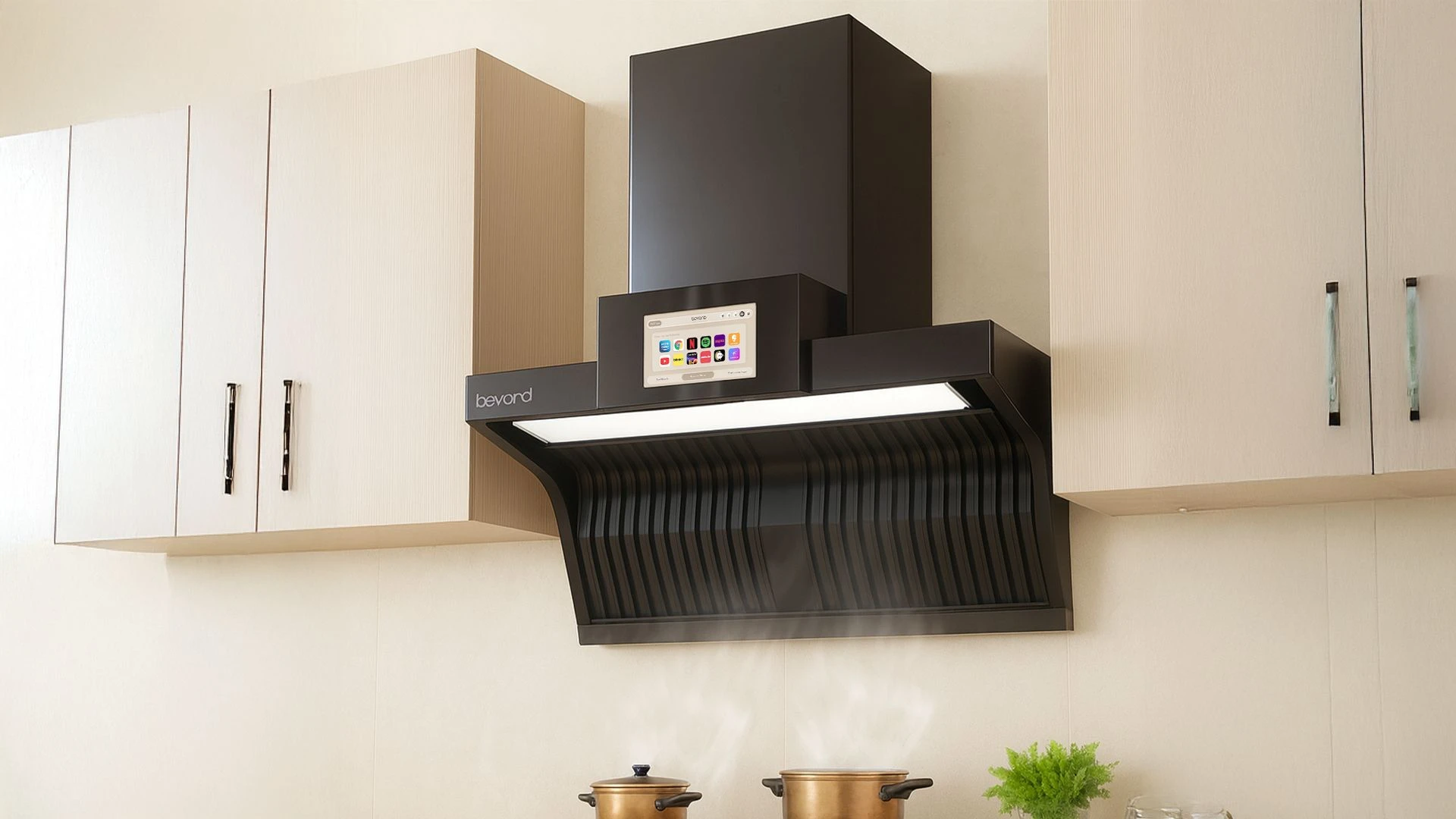
Getting the right **chimney height** for your kitchen can make or break your cooking experience. Many homeowners struggle with smoke, odors, and poor ventilation because they didn't consider this crucial factor during installation. The height of your chimney affects everything from air circulation to safety, and getting it wrong can lead to expensive repairs down the line. Whether you're planning a new kitchen or upgrading your existing setup, understanding the basics of **chimney design** will help you create a space that's both functional and comfortable. This guide walks you through everything you need to know about determining the perfect chimney height for your specific needs.
The relationship between your stove and chimney follows specific guidelines that ensure optimal performance. **Chimney installation** isn't just about mounting a unit on your wall – it requires careful planning and precise measurements. The standard recommendation places your chimney **24 to 30 inches** above gas stoves and **25 to 30 inches** above electric cooktops. This distance creates the ideal balance between effective smoke capture and comfortable cooking space. Going too low restricts your movement and poses safety risks, while mounting too high reduces suction efficiency.
Proper spacing allows your chimney to capture smoke and grease effectively without interfering with your cooking. The **chimney flue** needs adequate clearance to draw air properly, creating the negative pressure that pulls unwanted particles away from your cooking area.
Incorrect height poses real dangers. Too close, and you risk burns or fire hazards. Too far, and kitchen, creating health and comfort issues that affect daily life.
Several key elements influence the perfect height for your specific situation. Understanding these factors helps you make informed decisions that improve your kitchen's functionality and your family's comfort. Your kitchen size plays a major role in **chimney design**. Smaller kitchens under 150 square feet typically work well with 60cm chimneys, while larger or open-plan spaces benefit from 90cm units. The ceiling height, nearby cabinets, and overall layout all affect optimal placement.
Open kitchens connected to living areas need more powerful suction and careful height adjustment. The chimney must work harder to prevent cooking odors from spreading throughout your home.
Gas stoves produce more heat and moisture than electric units, requiring specific height adjustments. The type of **gas stoves** you use affects the optimal distance, with high-BTU burners needing more clearance.
Frequent frying, grilling, or spicy cooking generates more smoke and requires careful height planning. Heavy cooking demands better ventilation, which affects both chimney size and positioning.
Accurate measurement ensures your **chimney installation** meets both safety standards and performance expectations. Start by gathering the right tools and following a systematic approach. Begin with a quality measuring tape, level, and pencil for marking. Measure from your cooktop surface straight up, accounting for any overhead cabinets or obstacles. Mark your intended mounting points clearly before beginning installation.
• Measure 24-30 inches from your stove surface • Check for adequate clearance from cabinets • Verify wall stud locations for secure mounting • Account for **chimney cap** clearance requirements • Double-check all measurements before drilling
Many DIY attempts fail because of rushed measurements or ignoring manufacturer specifications. Skipping the leveling step leads to crooked installations that look unprofessional and may not function properly.
Choosing the right size chimney beyond just height considerations. The **chimney flue** size, suction power, and overall design must match your cooking needs and kitchen specifications. Standard flue sizes include 8x8, 8x13, and 13x13 inches, with larger sizes providing better airflow for bigger kitchens. Your choice depends on kitchen size, cooking frequency, and the types of **hobtops** or **cooktops** you use.
Small kitchens work well with 400-600 CFM units, while larger spaces need 800-1200 CFM for effective ventilation. Higher-powered units require careful height adjustment to prevent excessive noise.
**Ductless chimneys** offer installation flexibility but need precise height positioning for optimal air circulation. Ducted systems provide better performance but require specific height measurements for proper venting.
Proper **chimney safety** extends beyond initial installation. Regular maintenance and monitoring ensure your system continues operating effectively and safely for years to come. Schedule professional **chimney cleaning** at least twice yearly, more frequently with heavy cooking. Signs of problems include excessive noise, poor suction, or visible grease buildup around the unit.
• Smoke escaping into the kitchen • Unusual noises during operation • Grease deposits on nearby surfaces • Reduced suction power • Burning smells when cooking
Regular **chimney sweep** services identify potential issues before they become expensive problems. Professional technicians check **chimney liner** condition, motor function, and overall system performance.
Clean exterior surfaces monthly, replace filters as recommended, and check for loose mounting hardware. Simple maintenance extends equipment life and maintains optimal performance.
Different chimney at kitchen configurations. Understanding your options helps you select equipment that performs well at your chosen installation height. **Android chimneys** offer sleek profiles that work well in modern kitchens with standard height requirements. **T-shaped chimneys** provide powerful suction for larger cooking areas, while **curved chimneys** add style without sacrificing performance.
**Slant or inclined chimneys** require careful angle calculations that affect optimal height measurements. These units need precise positioning to maintain both aesthetic appeal and functional performance.
Modern units include variable speed controls, LED lighting, and quiet operation features. These elements affect installation height requirements and overall kitchen design integration.
The standard recommendation is 24-30 inches for gas stoves and 25-30 inches for electric **cooktops**. This distance ensures effective smoke capture while maintaining safe clearance for cooking.
Measure straight up from your cooktop surface using a quality measuring tape. Account for any overhead obstacles and verify manufacturer specifications for your specific model.
While possible, professional installation ensures proper height, secure mounting, and electrical connections. Many manufacturers require professional installation to maintain warranty coverage.
Poor suction, excessive noise, smoke escaping into the kitchen, and visible grease buildup indicate installation problems. These issues often stem from incorrect height or inadequate mounting.
Clean your chimney filters monthly and schedule professional deep cleaning twice yearly. Heavy cooking may require more frequent maintenance to maintain optimal performance.
Kitchen size determines chimney requirements: 60cm units work for spaces under 150 square feet, while larger areas benefit from 90cm models with higher CFM ratings.
Determining the ideal **chimney height** requires careful consideration of multiple factors including kitchen size, stove type, and cooking habits. Following standard guidelines of 24-30 inches from your cooking surface provides a solid starting point, but your specific situation may require adjustments. Proper installation height ensures effective ventilation, reduces safety risks, and enhances your overall cooking experience. Regular **chimney maintenance** and professional inspections keep your system operating at peak performance while extending equipment life. Investing time in proper planning and measurement pays dividends in improved air quality, reduced odors, and a more comfortable kitchen environment. Whether you choose professional installation or tackle the project yourself, understanding these principles helps you make informed decisions that benefit your family for years to come.
