

How to Design the Perfect Kitchen Platform for Your Home
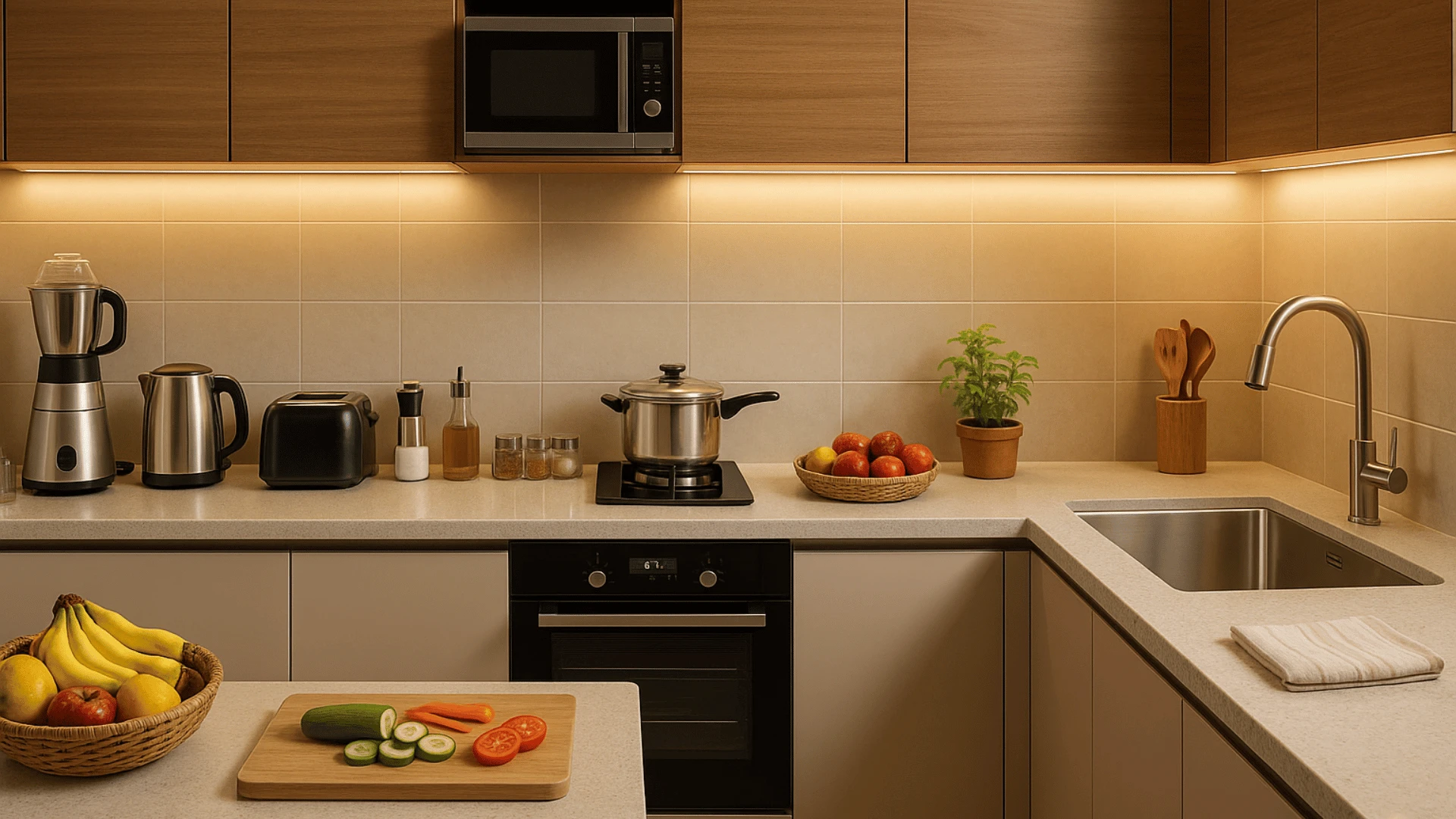
Creating the perfect kitchen platform design transforms your cooking space into a functional and beautiful heart of your home. Your kitchen platform serves as the foundation for daily meal preparation, family gatherings, and entertaining guests. A well-designed platform combines practical workspace with aesthetic appeal, making every cooking experience more enjoyable. Whether you're planning a complete renovation or updating your existing space, understanding the key elements of effective kitchen platform design helps you create a space that works seamlessly with your lifestyle and cooking habits.
The kitchen platform encompasses all horizontal work surfaces in your cooking space, including countertops, islands, and specialized work areas. These surfaces form the backbone of your kitchen's functionality and visual appeal.
Your kitchen countertop design directly impacts how efficiently you can prepare meals, store appliances, and maintain cleanliness. The platform includes primary countertops along walls, kitchen islands or peninsulas, and specialized areas like breakfast bars or prep stations.
Primary countertops run along your main work areas and house essential appliances like cooktops, sinks, and preparation zones. These surfaces need durability and easy maintenance since they handle the heaviest daily use.
Kitchen islands provide additional workspace and storage while creating natural gathering spots for family and friends. Islands work best in larger kitchens with adequate clearance space around all sides.
Specialty surfaces include breakfast bars, coffee stations, and dedicated baking areas that serve specific functions in your cooking routine.
The 3x4 kitchen rule suggests maintaining at least 3 feet of walkway space and 4 feet of workspace depth for optimal functionality. This guideline ensures comfortable movement and adequate counter space for food preparation tasks.
Material selection significantly impacts both the appearance and performance of your kitchen platform. Each option offers distinct advantages and considerations that align with different cooking styles and maintenance preferences.
Granite remains popular for its natural beauty, durability, and heat resistance. Each granite slab features unique patterns and colors, making your kitchen platform truly one-of-a-kind. Granite requires periodic sealing but withstands daily use exceptionally well.
Quartz surfaces combine natural stone particles with resin for consistent patterns and colors. These engineered surfaces resist stains, scratches, and bacteria without requiring sealing, making them ideal for busy households.
Natural wood brings warmth and character to kitchen platforms. Hardwoods like maple, oak, and walnut create beautiful work surfaces that develop attractive patina over time. Wood requires regular oiling and careful maintenance around water sources.
Stainless steel offers professional-grade durability and seamless integration with modern appliances. This material works exceptionally well around cooktops and provides excellent heat and stain resistance.
Material costs vary significantly based on quality, availability, and installation complexity. Laminate surfaces provide budget-friendly options with improved durability and appearance. Mid-range materials like engineered quartz balance performance with affordability. Premium natural stones command higher prices but offer unmatched beauty and longevity.
Contemporary modern kitchen platform design emphasizes clean lines, functional efficiency, and seamless integration with advanced appliances. Today's platforms blend aesthetic appeal with practical performance to create spaces that inspire creativity and support busy lifestyles.
Current trends favor platforms that complement sophisticated appliances like high-performance chimneys, precision cooktops, and smart kitchen technologies. These design approaches create cohesive spaces where every element works harmoniously together.
The minimalist kitchen platform approach focuses on clean surfaces, hidden storage, and streamlined functionality. These designs eliminate visual clutter while maximizing workspace efficiency through thoughtful planning and integrated solutions.
Minimalist platforms often feature continuous surfaces without decorative edges, integrated sinks, and concealed appliance placement. This approach creates calm, organized spaces that feel larger and more peaceful.
Kitchen surface design innovations include waterfall edges, mixed materials, and integrated technology features. Waterfall edges extend countertop material down cabinet sides for dramatic visual impact.
Mixed material combinations pair different textures and colors for visual interest while maintaining functional zones. Technology integration includes wireless charging areas, pop-up outlets, and built-in displays.
Warm neutrals and earthy tones dominate kitchen platform color trends for 2025. Beige, cream, and soft gray tones create timeless backdrops that complement various design styles and appliance finishes.
Effective kitchen layout design maximizes workflow efficiency while creating pleasant spaces for cooking and socializing. The arrangement of your kitchen platform directly influences how smoothly you can complete daily tasks and entertain guests.
Professional chefs and kitchen designers rely on proven layout principles to create spaces that support natural movement patterns and task sequences. These principles apply equally to compact apartments and spacious family kitchens.
The work triangle connects your sink, stove, and refrigerator in an efficient pathway that minimizes unnecessary steps during food preparation. This triangle should measure between 12 and 26 feet total, with each leg between 4 and 9 feet long.
Modern kitchens often feature multiple work zones that extend beyond the basic triangle, accommodating additional cooks and specialized tasks like coffee preparation or baking.
Kitchen island design ideas range from simple prep stations to elaborate multi-level structures with integrated appliances and seating. Islands work best when they maintain at least 36 inches of clearance on all sides for comfortable movement.
Consider incorporating cooktops, sinks, or dishwashers into island designs for additional functionality. Overhead ventilation becomes crucial when placing cooking appliances on islands, making quality chimney systems essential for maintaining air quality.
Small kitchens benefit from creative platform solutions like fold-down extensions, rolling carts, and multi-level surfaces. These approaches maximize available workspace without overwhelming compact areas.
Vertical storage solutions and wall-mounted folding tables provide additional workspace when needed while maintaining open floor areas during non-cooking times.
Personal customization transforms standard kitchen platforms into unique spaces that reflect your cooking style and aesthetic preferences. Thoughtful customization enhances both functionality and visual appeal while adding value to your home.
Successful customization balances personal preferences with practical considerations like maintenance requirements, durability expectations, and integration with existing appliances and fixtures.
Custom edge profiles, integrated cutting boards, and specialized task areas personalize your kitchen counter design for specific cooking needs. Beveled edges, bullnose profiles, and decorative edge treatments add character while maintaining functionality.
Integrated accessories like knife blocks, spice storage, and charging stations keep essential items organized and easily accessible during food preparation.
Modern kitchen platforms accommodate smart technologies like induction cooktops, integrated scales, and temperature monitoring systems. These features enhance cooking precision while maintaining clean, uncluttered surfaces.
Wireless connectivity allows platform-integrated devices to communicate with ventilation systems, automatically adjusting fan speeds based on cooking activity and heat levels.
Successful kitchen worktop design harmonizes visual appeal with daily functionality. Consider how surface finishes, colors, and textures complement your overall kitchen design while supporting your cooking habits.
Practical considerations include stain resistance, heat tolerance, and maintenance requirements that align with your lifestyle and cleaning preferences.
Proper maintenance protects your kitchen platform investment while ensuring optimal performance and appearance over many years. Different materials require specific care approaches that preserve their unique properties and visual appeal.
Understanding maintenance requirements before selecting materials helps you choose surfaces that align with your cleaning preferences and available time for upkeep tasks.
Natural stone platforms benefit from regular sealing, gentle cleaning products, and immediate spill cleanup. Avoid acidic cleaners that can etch marble and limestone surfaces.
Engineered surfaces require minimal maintenance but benefit from regular cleaning with mild soap and water. These materials resist most stains and scratches while maintaining consistent appearance.
Wood platforms need periodic oiling, gentle cleaning, and protection from excessive moisture. Sand and refinish wooden surfaces periodically to maintain their natural beauty.
Use cutting boards, trivets, and protective mats to prevent damage from sharp objects, hot cookware, and spills. These simple precautions significantly extend platform lifespan while maintaining appearance.
Regular professional cleaning and maintenance services help identify potential issues early and provide specialized care that preserves material integrity and appearance.
Engineered quartz offers the best combination of durability, low maintenance, and stain resistance for busy households. It requires no sealing, resists bacteria, and maintains consistent appearance with minimal care. Granite also performs well but requires periodic sealing for optimal protection.
The 3x4 kitchen rule recommends maintaining 3 feet of walkway clearance and 4 feet of workspace depth for optimal functionality. This guideline ensures comfortable movement around islands and adequate counter depth for food preparation tasks while accommodating multiple users.
Warm neutrals dominate 2025 kitchen trends, including creamy whites, soft beiges, and gentle gray tones. Earthy colors like sage green and warm taupe create calming environments while providing timeless appeal that complements various appliance finishes and cabinet styles.
Kitchen platform costs vary widely based on materials, size, and complexity. Laminate surfaces start around ₹1,600–₹3,200 per square foot installed, while mid-range quartz costs ₹4,800–₹7,200 per square foot. Premium natural stones range from ₹6,400–₹12,000 per square foot, including professional installation and finishing.
Standard kitchen platform height measures 36 inches, which works well for most adults. However, customizing height based on primary users' comfort improves functionality. Taller individuals benefit from 38-39 inch platforms, while shorter users prefer 34-35 inch heights for comfortable food preparation.
Designing the perfect kitchen platform requires balancing functionality, aesthetics, and personal preferences while considering long-term maintenance and durability. Focus on materials that support your cooking style and cleaning preferences while complementing your overall kitchen design vision.
Remember that your kitchen platform works closely with appliances like efficient ventilation systems, precision cooktops, and other modern kitchen technologies. Plan for proper integration of these elements during the design phase to create a cohesive, high-performing kitchen that enhances your daily cooking experience and adds lasting value to your home.
