

How to Create Your First Home Kitchen Setup
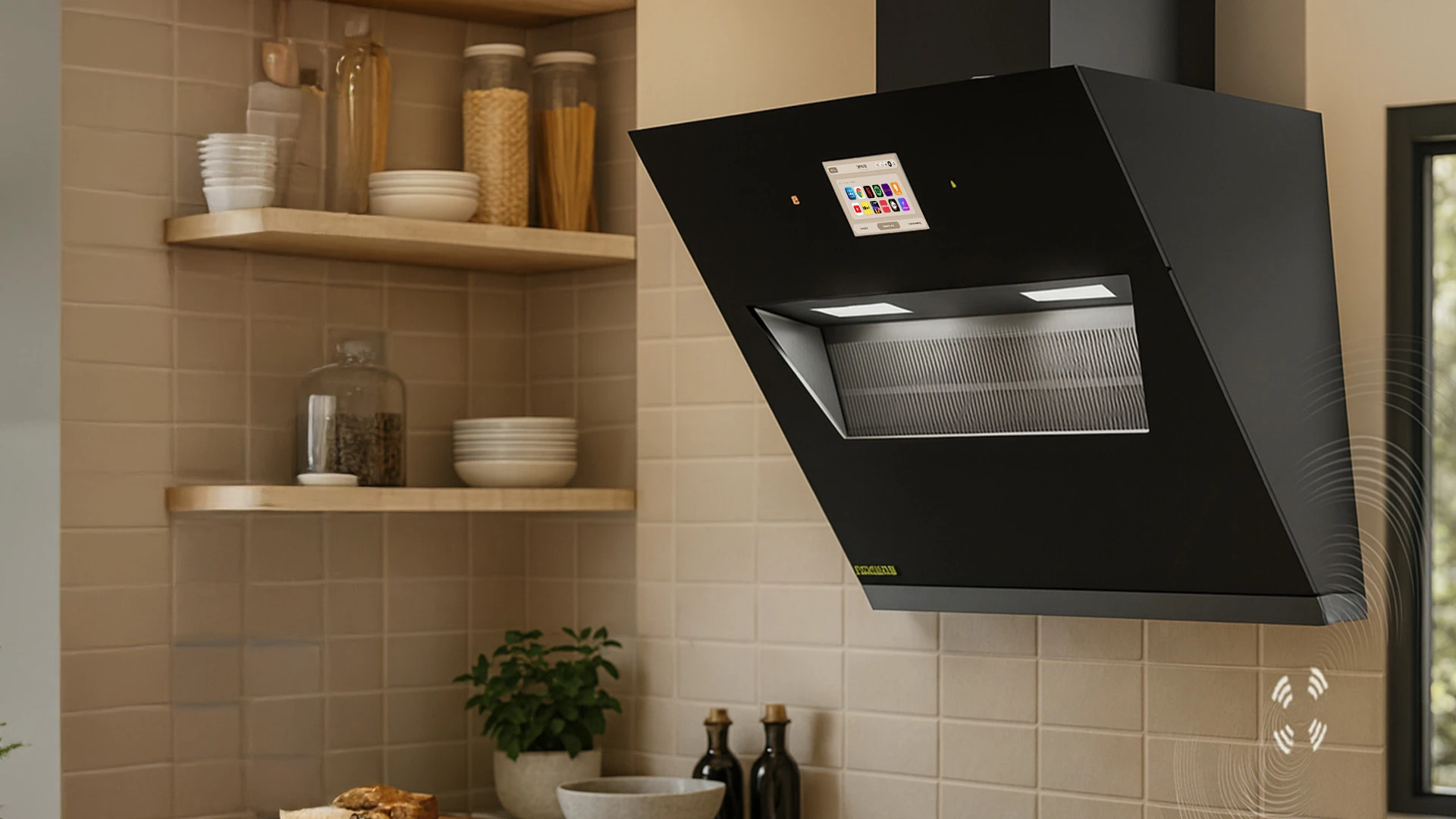
Setting up your first home kitchen can feel both exciting and overwhelming. You finally have your own space to cook, but where do you start? A well-planned first home kitchen setup saves you money, reduces stress, and makes cooking enjoyable from day one. This guide walks you through everything you need to create a functional kitchen that grows with your cooking skills and lifestyle needs.
Your kitchen appliances form the backbone of your cooking space. Start with the basics and add specialty items as your cooking confidence grows. Smart appliance choices make daily meal preparation easier and more efficient.
A good refrigerator tops your list for any starter kitchen. Choose a size that fits your space and eating habits. Single people need 10-12 cubic feet, while families require 18-22 cubic feet. Look for energy-efficient models that save on electricity bills. For cooking surfaces, consider your cooking style. Gas stoves offer instant heat control and work during power cuts. Induction cooktops heat faster and provide precise temperature control. They also pair perfectly with modern chimney systems for better ventilation.
An electric kettle speeds up tea, coffee, and instant noodle preparation. Rice cookers deliver consistent results and free up stovetop space. A good microwave oven handles reheating, defrosting, and quick cooking tasks. Choose models with convection features for added versatility. Blenders create healthy smoothies, soups, and chutneys. Look for models with multiple speed settings and sturdy glass or BPA-free plastic jars.
Smart cookware choices form the foundation of your home cooking setup. Quality pieces last longer and cook food more evenly than cheap alternatives. Start with versatile basics that handle multiple cooking methods.
A non-stick frying pan handles daily cooking tasks like eggs, vegetables, and quick stir-fries. Choose 8-10 inch sizes for most home cooking needs. Look for pans with comfortable handles and even heat distribution. A medium saucepan works for soups, pasta, rice, and small batches of dal. Pick 2-3 quart capacity for most households. Stainless steel options last longer but require more oil for non-stick cooking. Large pots handle boiling pasta, making stocks, and batch cooking. A 6-8 quart size covers most needs. Heavy-bottomed pots prevent burning and distribute heat evenly.
Non-stick cookware requires less oil and cleans easily. However, it needs careful handling and eventual replacement. Stainless steel lasts forever but requires proper heating techniques. Cast iron develops natural non-stick properties over time and works on all heat sources. Avoid extremely cheap cookware that warps quickly or has thin bottoms. Mid-range options often provide the best value for new cooks.
The right cooking utensils make food preparation faster and safer. Quality tools feel comfortable in your hands and last for years. Focus on versatile pieces that handle multiple tasks.
A sharp 8-inch chef's knife handles 90% of cutting tasks. Good knives make cooking safer and more enjoyable. Invest in one quality knife rather than a set of mediocre ones. Cutting boards protect your counters and knife edges. Wood boards look beautiful and are gentle on knives. Plastic boards clean easily and resist bacteria when properly maintained.
Wooden spoons and spatulas won't scratch non-stick surfaces. They also don't conduct heat like metal utensils. Keep several sizes for different cooking tasks. Measuring cups and spoons ensure recipe success. Stainless steel sets last longer than plastic ones. Nesting designs save storage space in small kitchens. Mixing bowls serve multiple purposes from food prep to serving. Glass bowls work in microwaves and ovens. Stainless steel versions are lightweight and unbreakable.
Tongs provide safe food handling for hot items. Choose models with comfortable grips and locking mechanisms for easy storage. A good ladle serves soups, dal, and curries without dripping. A garlic press saves time and keeps fingers odor-free. Kitchen timers prevent overcooking and burning. Digital models often include multiple timer functions.
Proper storage keeps your kitchen essentials fresh and organized. Smart organization makes cooking more efficient and enjoyable. Plan storage solutions that work with your space and cooking habits.
Airtight containers keep pantry staples fresh longer. Glass containers work for both storage and reheating. Choose stackable designs that maximize cabinet space. Spice storage systems keep flavors fresh and accessible. Traditional spice boxes work well for Indian cooking. Magnetic spice jars save counter space in small kitchens.
Drawer organizers prevent utensil chaos and make items easy to find. Adjustable dividers adapt to different drawer sizes. Cabinet shelf risers double your storage space for dishes and glasses. Magnetic knife strips keep blades sharp and save counter space. Over-the-sink cutting boards create extra prep space when needed.
Your first home kitchen setup doesn't require breaking the bank. Smart shopping and prioritizing essentials help you create a functional space within any budget. Quality basics often cost less than buying cheap items multiple times.
Start with absolute essentials: one good knife, cutting board, non-stick pan, medium pot, basic utensils, and measuring tools. Shop at wholesale markets and look for combo deals on basic kitchen equipment. Multi-purpose tools maximize value. A pressure cooker works as a pot, steamer, and rice cooker. Mixing bowls double as serving dishes.
This budget allows for better quality items that last longer. Invest in good knives, heavy-bottomed cookware, and reliable small appliances. Add specialty tools as you discover your cooking preferences. Consider appliances that save time and energy. A good chimney system keeps your kitchen clean and comfortable during cooking.
Higher budgets allow for professional-quality tools and time-saving appliances. Focus on items you'll use daily. Premium cookware and appliances often come with better warranties and customer service.
New kitchen owners often make predictable mistakes that waste money and create frustration. Learning from others' experiences helps you make smarter choices for your starter kitchen.
Buying too many gadgets upfront clutters your space and wastes money. Start with basics and add items as you discover actual needs. Avoid choosing form over function – pretty tools that don't work well create cooking frustration. Measure your space before shopping. Oversized appliances won't fit properly and may block cabinets or walkways.
Poor workflow planning makes cooking inefficient. Keep frequently used items near your main cooking area. Store heavy pots in lower cabinets to prevent lifting injuries. Don't forget cleaning supplies and safety essentials. Fire extinguishers, first aid kits, and good ventilation prevent accidents and health issues.
The bare minimum includes one good knife, cutting board, non-stick pan, medium pot, basic utensils, measuring tools, and mixing bowls. Add a rice cooker or pressure cooker for Indian cooking needs.
Plan INR 20,000-45,000 for basics, with the ability to add items over time based on your cooking habits. This covers essential cookware, utensils, and basic appliances.
Start with essentials and add items as you discover what you actually use. This prevents waste and helps you learn your cooking style without overwhelming your budget.
Avoid specialty gadgets, duplicate tools, and expensive appliances until you know you'll use them regularly. Skip bread makers, food processors, and multiple small appliances initially.
Use vertical space with wall-mounted storage. Invest in multi-purpose tools and keep frequently used items within easy reach of your main cooking area. Consider magnetic strips and over-sink accessories.
Building your perfect first home kitchen setup takes time and thoughtful planning. Start with quality basics rather than buying everything at once. Focus on items you'll use daily and add specialty tools as your cooking skills develop. Remember that a functional kitchen grows with your needs. Invest in good ventilation, proper storage, and versatile tools that handle multiple tasks. Your kitchen should make cooking enjoyable, not stressful. Take time to learn your cooking habits before making major purchases. A well-planned kitchen setup saves money, reduces waste, and creates a space where you'll love to cook healthy, delicious meals for years to come.
