

How to Clean Burnt Food on Glass Hob: Expert Guide
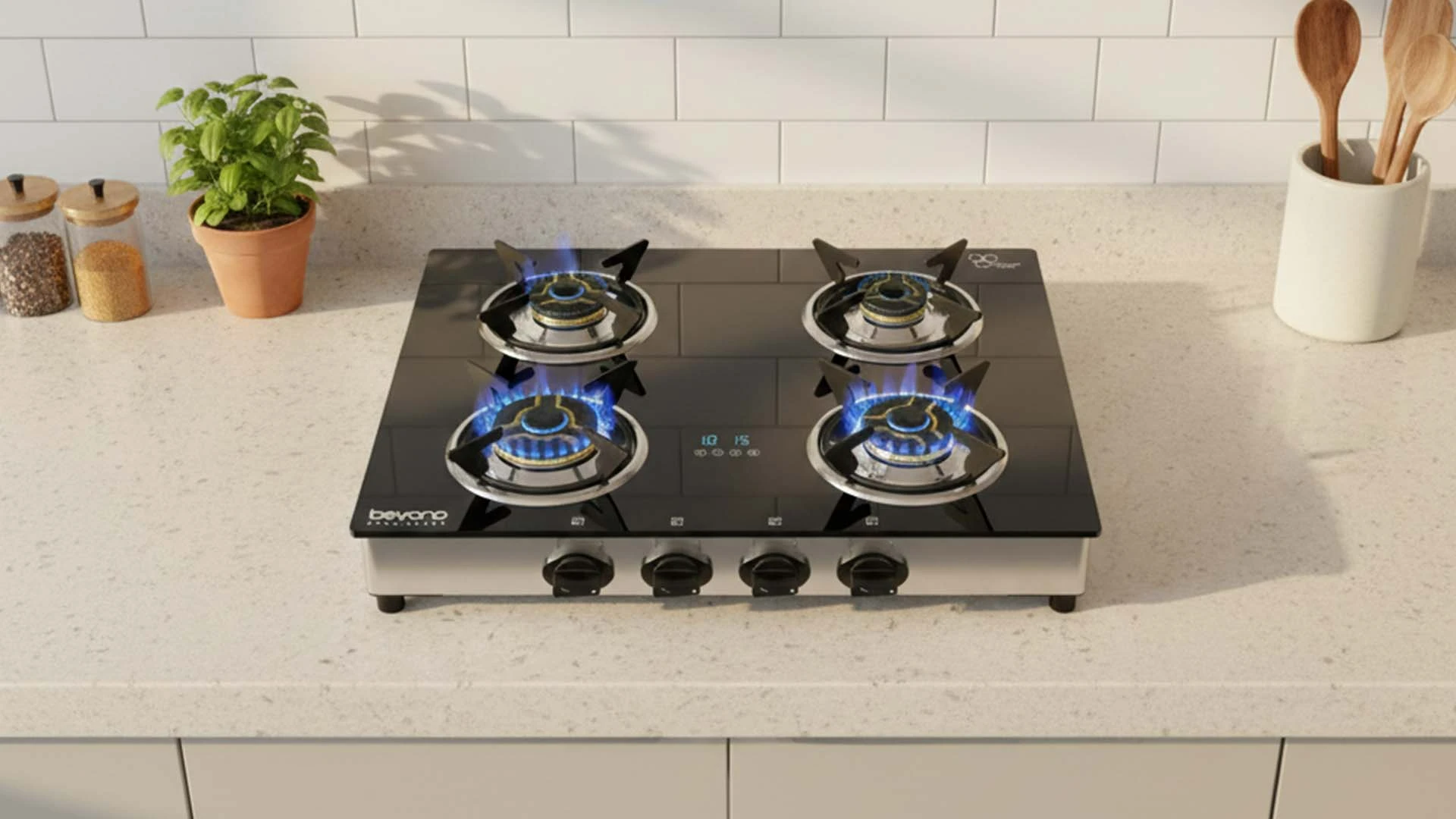
Glass hobs have become a popular choice in modern kitchens due to their sleek appearance and easy maintenance. However, when food burns and sticks to the glass surface, it can seem like an impossible task to restore that pristine shine. The good news is that with the right techniques and tools, you can effectively remove even the most stubborn burnt food residue without damaging your valuable appliance. Understanding proper cleaning methods not only keeps your hob looking new but also ensures it continues to function efficiently for years to come.
Glass hobs come in different types, including ceramic glass and induction surfaces, each requiring specific care approaches. The smooth surface that makes these appliances so attractive also means that burnt food can bond tightly to the glass when exposed to high heat. When food burns on a glass hob, it creates a carbonized layer that adheres strongly to the surface. This happens because the intense heat breaks down food particles and creates a chemical bond with the glass. Sugar-based spills are particularly problematic as they can caramelize and form an extremely hard coating. The key to successful burnt food removal lies in understanding that patience and the right technique matter more than aggressive scrubbing. Rushing the process or using inappropriate tools can result in permanent scratches that will mar your hob's appearance forever.
Having the right equipment makes the difference between easy cleaning and a frustrating experience. Professional hob cleaning tips always emphasize preparation as the first step to success. For basic cleaning, you'll need microfiber cloths, which are gentle yet effective at lifting residue without scratching. A plastic scraper or specialized glass hob scraper helps remove stubborn bits safely. Avoid metal scrapers or abrasive sponges, as these can permanently damage the surface.
Commercial glass cooktop cleaner products are formulated specifically for these surfaces and often work faster than homemade alternatives. Look for cleaners that contain mild abrasives designed for glass surfaces.
Always wear rubber gloves to protect your hands from cleaning chemicals and heat. Ensure proper ventilation when using commercial cleaners, as some contain strong fumes.
The most effective approach to clean burnt glass hob surfaces involves a systematic method that prioritizes safety and surface protection. Never attempt to clean a hot surface, as this can cause burns and make cleaning more difficult.
Allow the hob to cool completely before starting any cleaning process. This usually takes 30-60 minutes after cooking. Remove any loose debris with a dry cloth or soft brush.
Apply your chosen cleaner generously over the burnt area. Let it sit for 10-15 minutes to soften the residue. Use a plastic scraper at a 45-degree angle to gently lift the softened food particles. Work in one direction rather than back and forth to avoid redistributing the debris.
For heavily burnt areas, create a paste using baking soda and water. Apply this mixture and cover with a damp cloth. Allow it to sit for 20-30 minutes. The alkaline nature of baking soda helps break down acidic food residues effectively.
Many homeowners prefer natural cleaning methods for their safety and environmental benefits. These easy hob cleaning solutions can be just as effective as commercial products when used correctly. White vinegar mixed with water in equal parts creates an excellent cleaning solution for glass surfaces. The acetic acid in vinegar helps dissolve mineral deposits and food residues. Spray the solution, let it sit for several minutes, then wipe clean with a microfiber cloth. Lemon juice combined with coarse salt creates a natural abrasive that works well on burnt sugar and caramelized spills. Cut a lemon in half, dip it in salt, and gently rub the burnt area. The citric acid helps break down the residue while the salt provides gentle abrasive action.
Place a damp towel over the burnt area and use a warm iron on low heat for 10-15 seconds. The steam helps soften stubborn residue, making it easier to remove with gentle scraping.
The best strategy for hob maintenance is preventing burnt food buildup in the first place. Clean spills immediately while they're still warm but not hot. This prevents food from bonding permanently to the surface. Develop a routine of wiping down your hob after each use with a damp microfiber cloth. This simple habit prevents the accumulation of grease and food particles that can burn during subsequent cooking sessions. Use appropriate cookware with flat bottoms that match the size of your heating elements. Oversized pots can cause spills, while undersized ones may allow food to splatter onto the hob surface.
Set aside time each week for thorough cleaning using your preferred method. This prevents the buildup of stubborn residues that require aggressive cleaning techniques.
Perform a thorough deep clean weekly, or more frequently if you cook daily. Regular maintenance prevents the need for intensive cleaning sessions.
Never use metal razor blades on glass hobs. They can cause permanent scratches. Always use plastic scrapers designed for glass surfaces.
Look for cleaners specifically formulated for glass cooktops. These contain mild abrasives and chemicals designed to dissolve food residues without damaging the surface.
Always allow the hob to cool completely before cleaning. Cleaning a warm surface can cause burns and may damage both the cleaner and the hob surface.
Use ice cubes to harden the plastic, then carefully scrape with a plastic tool. Follow up with your regular cleaning routine to remove any residue.
Minor scratches may be polished out with specialized glass polish, but deep scratches usually require professional repair or replacement.
White marks are typically caused by mineral deposits from water or cleaning products. Use a vinegar solution to remove these deposits effectively.
Natural cleaners can be very effective for regular maintenance, but commercial products may work faster on heavily burnt residues due to their specialized formulations.
Mastering how to clean burnt food stuck on hob glass requires patience, the right tools, and proper technique. Remember that prevention through immediate spill cleanup and regular maintenance is always easier than dealing with stubborn burnt residues. Whether you choose commercial cleaners or natural solutions, consistency in your cleaning routine will keep your glass hob looking pristine and functioning optimally. With these expert techniques, you can confidently tackle any burnt food situation and maintain your appliance's beautiful appearance for years to come.
