

How to Choose the Right Kitchen Chimney Type
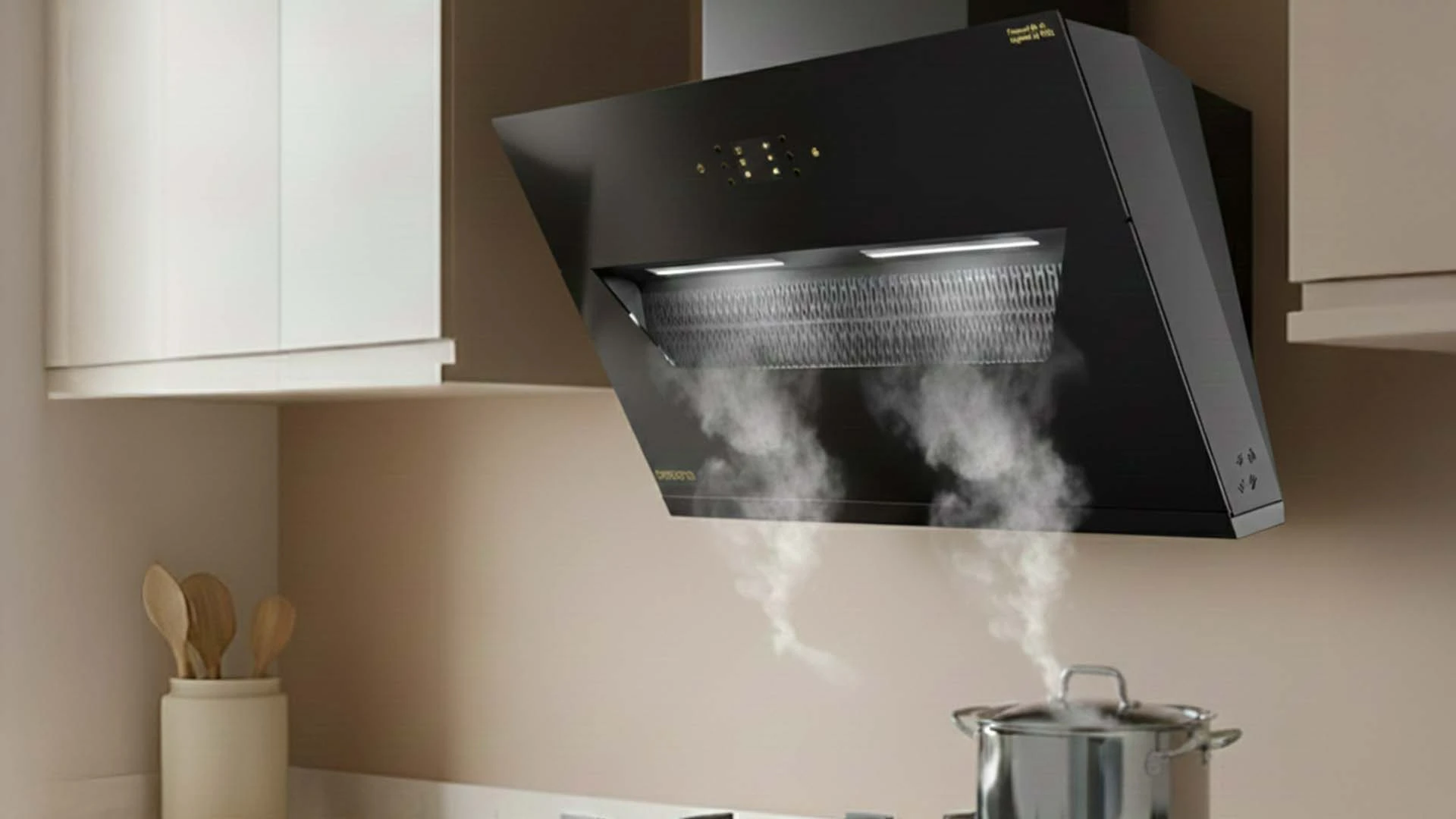
Choosing the right kitchen chimney can transform your cooking experience and protect your home from smoke, grease, and odors. With Indian cooking styles producing more heat and oil vapors than most cuisines, selecting the best kitchen chimney types becomes crucial for maintaining clean air and a comfortable kitchen environment. Modern chimneys offer various technologies and installation options, each designed to meet specific cooking needs and kitchen layouts. Understanding these differences helps you make an informed decision that enhances both your cooking experience and home's air quality.
A kitchen chimney serves as your primary defense against cooking smoke, steam, and airborne grease particles. These appliances work by drawing contaminated air through powerful motors and filtering systems, either expelling it outside or cleaning and recirculating it back into your kitchen. The core components include a high-performance motor, specialized filters for grease separation, ductwork for air movement, and intuitive controls for easy operation. Quality kitchen ventilation systems significantly improve indoor air quality by removing harmful particles and odors that would otherwise settle on surfaces or circulate throughout your home. Investing in the right chimney type pays dividends through reduced cleaning time, better air quality, and protection of your kitchen surfaces from grease buildup. Modern chimneys also add aesthetic value while providing essential functionality for comfortable cooking.
Different installation methods suit various kitchen layouts and architectural constraints. Understanding these options helps you choose the most practical solution for your space.
Wall-mounted models represent the most popular choice for Indian kitchens due to their versatility and straightforward installation. These units mount directly above your cooking surface against the wall, requiring minimal structural modifications while providing excellent performance for most cooking styles.
Island chimneys offer design flexibility for modern open-plan kitchens with central cooking areas. These ceiling-mounted units create striking focal points while providing 360-degree smoke capture. However, they require robust ceiling support and professional installation planning.
Integrated chimneys blend seamlessly with kitchen cabinetry, offering space-saving benefits for compact kitchens. While installation complexity increases, these models provide clean aesthetics and efficient performance when properly planned during kitchen design phases.
The choice between ducted and ductless systems significantly impacts performance and installation requirements. Each option serves different household needs and structural constraints.
Ducted chimney systems excel at removing contaminated air completely from your kitchen by expelling it outside through dedicated ductwork. These systems provide superior performance for heavy Indian cooking, effectively handling high volumes of smoke and grease-laden air without recirculation. Installation requires external wall access or roof venting, making structural planning essential. Long-term efficiency remains consistently high since filtered air doesn't return to your kitchen space.
Ductless chimney models work by filtering and recirculating air back into your kitchen. These systems suit apartments or homes where external ducting isn't feasible due to building restrictions or structural limitations. Filter technology becomes critical in ductless systems, requiring regular replacement cycles to maintain effectiveness. While installation flexibility increases, performance limitations exist compared to ducted alternatives, especially for heavy cooking styles.
Auto-clean technology represents a significant advancement for households practicing traditional Indian cooking methods. This innovative feature addresses the challenge of maintaining chimney efficiency in high-grease cooking environments. Auto clean chimney systems use thermal cleaning processes to break down grease deposits automatically. When activated, heating elements warm the chimney interior, liquefying accumulated grease that then drains into removable collection cups. This technology particularly benefits chimney for Indian cooking applications where daily frying, tempering, and high-heat cooking create substantial grease buildup. Maintenance requirements reduce significantly, with cleaning cycles extending from weekly manual cleaning to monthly or quarterly maintenance. The thermal cleaning process operates efficiently without harsh chemicals, making it environmentally friendly while reducing long-term maintenance costs. Users report significant time savings and improved kitchen air quality consistency with auto-clean models.
Filter technology and suction capacity directly impact your chimney's effectiveness in Indian cooking conditions. Understanding these specifications ensures optimal performance for your specific cooking habits. Baffle filters excel in grease separation efficiency, using curved metal plates to trap oil particles while allowing air flow. These stainless steel filters handle high-temperature cooking and resist corrosion from spice-laden vapors. Cassette filters offer easier cleaning but require more frequent maintenance in heavy cooking environments.
Suction capacity, measured in cubic meters per hour (m³/hr), determines your chimney's air processing ability. For Indian cooking styles, minimum 600 m³/hr capacity handles moderate cooking, while 800-1200 m³/hr suits heavy daily cooking with frequent frying and high-heat preparations. Kitchen size calculations help determine appropriate capacity. Multiply your kitchen's length, width, and height, then multiply by 10-12 for Indian cooking requirements. Balance noise levels with performance needs, as higher capacity motors typically generate more sound.
Matching chimney specifications to your cooking patterns ensures optimal performance and satisfaction. Different cooking styles demand specific features and capacities. For heavy Indian cooking involving daily frying, tandoori preparations, and regional cuisines with high oil content, prioritize minimum 800 m³/hr suction capacity with auto-clean technology. Ducted installation maximizes efficiency for these demanding applications.
Mixed Indian and continental cooking styles work well with 600-800 m³/hr capacity ranges. These households benefit from flexible installation options and cost-effective filter combinations that balance performance with maintenance convenience.
Minimal oil cooking and modern preparation methods require 400-600 m³/hr capacity. Ductless options become viable for these applications, allowing focus on design aesthetics and energy efficiency rather than maximum performance.
Ducted wall-mounted chimneys with auto-clean technology and baffle filters work best for Indian homes. These handle high oil and spice content while minimizing maintenance requirements.
Auto-clean chimneys use thermal heating to liquefy grease deposits automatically, while manual clean models require regular filter removal and washing. Auto-clean technology reduces maintenance frequency significantly.
Choose ducted if external venting is possible and you cook frequently with oil. Select ductless for apartments with installation restrictions or light cooking habits.
For a 100 square feet kitchen with 9-foot ceilings, calculate 900 cubic feet × 12 = 10,800 cubic feet per hour, approximately 300 m³/hr minimum. Add 200-400 m³/hr for Indian cooking styles.
Baffle filters need monthly cleaning with heavy cooking, quarterly with moderate use. Charcoal filters in ductless systems require replacement every 3-6 months depending on usage intensity.
Selecting the right kitchen chimney type depends on your cooking style, kitchen layout, and installation possibilities. Ducted systems with auto-clean technology provide superior performance for traditional Indian cooking, while ductless options suit apartments with structural constraints. Prioritize adequate suction capacity, quality filter systems, and maintenance convenience to ensure long-term satisfaction with your investment.
