

How to Choose the Right Caps Chimney for Your Home
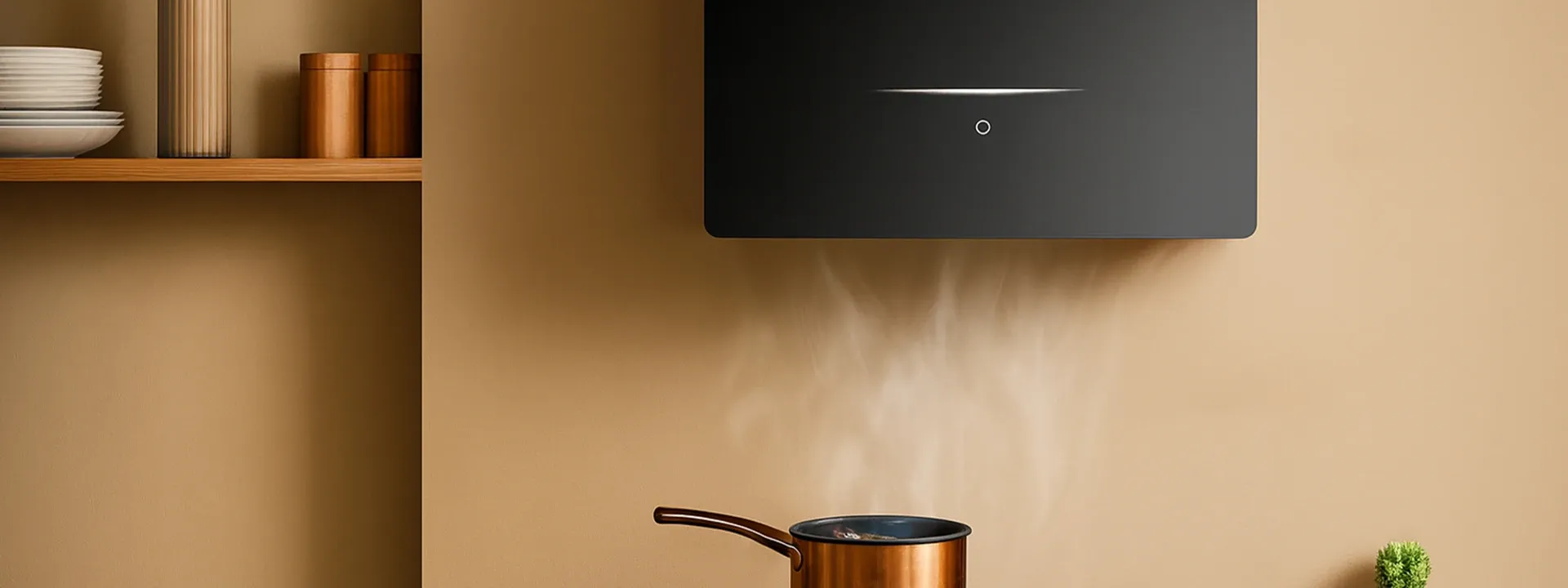
Selecting the perfect caps chimney for your home transforms your cooking experience from smoky chaos to clean, comfortable meal preparation. Modern kitchens demand efficient ventilation solutions that handle everything from daily cooking to elaborate dinner parties. A well-chosen chimney cap not only removes smoke, grease, and odors but also protects your kitchen surfaces and maintains air quality. Understanding the fundamentals of chimney selection helps homeowners make informed decisions that enhance both functionality and aesthetics. Whether you're renovating an existing kitchen or designing a new one, the right chimney becomes an investment in your family's health and your home's value.
Kitchen chimneys serve as the lungs of your cooking space, constantly working to maintain fresh air circulation. These essential appliances create a barrier between cooking emissions and your living environment, ensuring comfort and safety during meal preparation.
A chimney cap refers to the complete ventilation system designed to extract smoke, steam, and cooking odors from your kitchen. This comprehensive unit includes the hood, filters, motor, and ducting components that work together to maintain clean air. The primary functions include removing airborne particles, preventing grease buildup on surfaces, and maintaining optimal kitchen temperature during cooking sessions.
Modern chimney designs offer various configurations to match different kitchen layouts and cooking needs. Android chimneys feature sleek, contemporary designs with smart controls and advanced filtration systems. T-shaped chimneys provide excellent coverage for island cooking setups, while curved chimneys offer elegant aesthetics without compromising performance.
Slant or inclined chimneys maximize space efficiency in compact kitchens, and ductless chimneys work perfectly in apartments where external venting isn't possible. Material choices include stainless steel for durability, tempered glass for modern appeal, and copper finishes for traditional kitchen designs.
Smart chimney selection involves evaluating multiple factors that impact both performance and user satisfaction. Understanding these elements helps narrow down options and ensures your investment meets long-term cooking needs.
Suction power, measured in cubic meters per hour (m³/hr), determines how effectively your chimney removes cooking emissions. Standard recommendations suggest 600-800 m³/hr for regular cooking, while heavy-duty cooking requires 1000+ m³/hr capacity. Noise levels should remain below 58 decibels for comfortable kitchen conversations during operation.
Auto-clean technology reduces maintenance burden by automatically cleaning internal components through heat-based processes. Oil collection efficiency ratings above 95% ensure minimal grease escape into your kitchen environment.
Kitchen layout compatibility starts with accurate measurements of your cooking area and available ceiling space. Standard sizes include 60cm width for smaller kitchens and 90cm for larger cooking surfaces. The chimney should extend at least 15cm beyond cooktop on each side for optimal coverage.
Mounting options include wall-mounted units for linear kitchen designs, island-mounted for central cooking areas, and corner installations for space-optimized layouts. Ensure adequate clearance between the chimney and cooktop – typically 65-75cm for gas stoves and 55-65cm for electric cooking surfaces.
Motion sensor capabilities automatically activate the chimney when cooking begins, providing hands-free operation for busy cooks. Multiple speed settings allow customization based on cooking intensity, from gentle simmering to high-heat searing. Smart home integration enables remote control and monitoring through smartphone applications.
Advanced filtration systems combine baffle filters for grease removal with carbon filters for odor elimination. Touch controls with digital displays provide precise operation settings and maintenance reminders.
Chimney investments typically range from INR 22,990 for basic models to INR 40,000+ for premium units with advanced features. This price variation reflects differences in build quality, technology integration, and brand reputation. Understanding value propositions helps identify the best fit for your specific needs and budget constraints.
Entry-level models around INR 22,990-25,000 offer essential functionality with manual controls and standard filtration. Mid-range options (INR 25,000-35,000) include auto clean features, improved aesthetics, and better build quality. Premium models above INR 35,000 incorporate smart technology, superior materials, and comprehensive warranty coverage.
Consider long-term cost-effectiveness including energy consumption, filter replacement costs, and maintenance requirements. Higher initial investments often result in lower operating costs and extended product lifespan. Extended warranty options provide additional protection and peace of mind for significant appliance investments.
Proper maintenance ensures optimal performance and extends your chimney's operational lifespan. Regular care prevents common issues and maintains efficiency throughout years of cooking use.
Regular chimney maintenance includes weekly filter cleaning for heavy cooking households and bi-weekly cleaning for moderate use. Baffle filters require warm soapy water washing, while carbon filters need replacement every 3-6 months depending on usage intensity.
External surface cleaning with appropriate cleaners maintains aesthetic appeal and prevents grease buildup. Monthly deep cleaning includes internal component inspection and grease tray emptying. Professional chimney sweep services annually ensure thorough duct cleaning and system optimization.
Reduced suction power often indicates clogged filters or blocked ducting requiring immediate attention. Unusual noise levels may suggest motor issues or loose components needing professional evaluation. Oil leakage typically results from overfilled collection trays or damaged seals.
DIY maintenance includes regular filter inspection, external cleaning, and ensuring proper ventilation clearances. Professional help becomes necessary for motor repairs, electrical issues, or ductwork modifications.
Proper installation ensures optimal performance and safety compliance for your new chimney system. Professional installation services guarantee correct positioning, secure mounting, and proper electrical connections. Free delivery and installation services eliminate additional costs and ensure expert setup.
Installation considerations include electrical requirements, ducting paths, and structural support adequacy. Professional technicians assess kitchen layouts, recommend optimal positioning, and handle complex installations including ductwork routing and electrical connections.
After-sales service support provides ongoing assistance for maintenance, repairs, and technical issues. Comprehensive service networks ensure quick response times and genuine replacement parts availability throughout your chimney's operational life.
Yes, chimney caps are essential for maintaining healthy indoor air quality and protecting kitchen surfaces from grease and smoke damage. They prevent cooking odors from spreading throughout your home and reduce cleaning requirements significantly.
Baffle filters require cleaning every 1-2 weeks but last several years with proper maintenance. Carbon filters need replacement every 3-6 months depending on cooking frequency and intensity. Auto clean models reduce filter maintenance frequency.
Stainless steel offers superior durability, heat resistance, and easy maintenance compared to other materials. It resists corrosion from cooking vapors, maintains appearance over time, and provides excellent structural strength for long-term reliability.
Measure your cooktop width and add 15cm on each side for optimal coverage. Standard 60cm chimneys suit 2-4 burner stoves, while 90cm units work best for larger cooking surfaces. Consider ceiling height and available space for proper installation clearances.
Ductless chimneys use recirculation technology with carbon filters to clean air before returning it to the kitchen. While less efficient than ducted systems, they provide viable solutions for apartments without external venting options.
Choosing the right caps chimney involves balancing performance requirements, aesthetic preferences, and budget considerations. Focus on suction capacity that matches your cooking habits, select designs that complement your kitchen style, and invest in quality brands that offer reliable after-sales service support. Remember that proper installation and regular maintenance significantly impact long-term performance and satisfaction. Take time to evaluate different models, read user reviews, and consult with professionals to make an informed decision that enhances your cooking experience for years to come.
