

How to Choose the Perfect Kitchen Chimney Guide
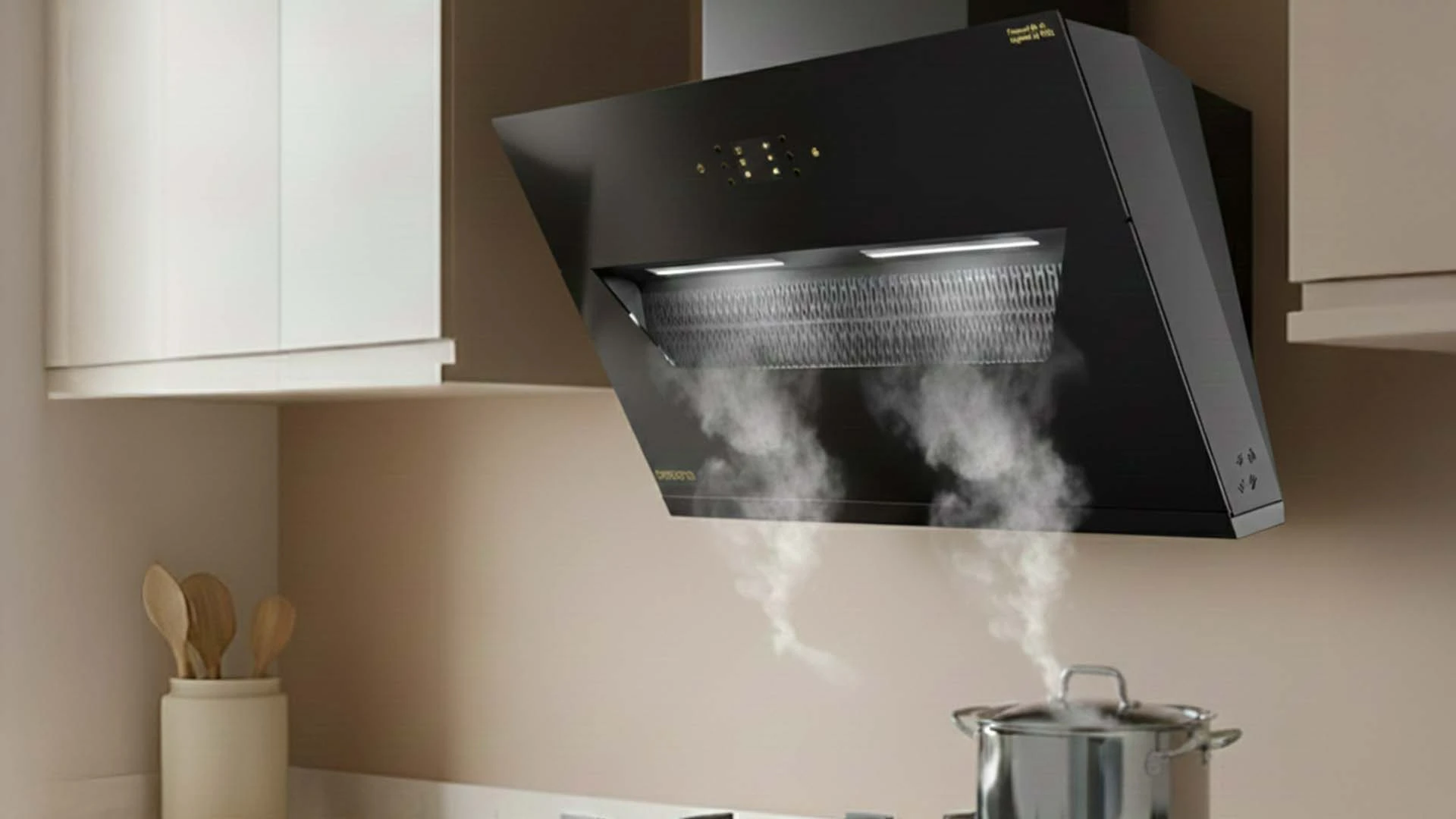
Choosing the right kitchen chimney can transform your cooking experience from smoky chaos to fresh, clean air. With Indian cooking styles producing significant smoke and grease, a proper kitchen ventilation system isn't just luxury—it's essential for your family's health and comfort. Whether you're dealing with daily tadka sessions or weekend feast preparations, the perfect chimney for kitchen use will keep your space fresh while protecting your walls from oil stains. This comprehensive guide walks you through everything needed to make an informed decision, from understanding different types to calculating the ideal size for your cooking space.
A kitchen chimney serves as your home's primary defense against smoke, grease, and cooking odors. Modern Indian kitchens generate substantial amounts of airborne particles during cooking, especially with high-heat preparations and spice tempering. These particles can settle on surfaces, create health issues, and make your kitchen uncomfortable.
Kitchen chimneys work by creating powerful suction that captures smoke and grease before they spread throughout your home. The benefits extend beyond just smoke removal—they protect your kitchen walls from oil deposits, reduce cleaning time, and maintain better air quality. For families with respiratory sensitivities, a quality smoke absorber for kitchen use becomes even more critical.
The market offers several chimney configurations to match different kitchen layouts. Ductless kitchen chimney models work well for apartments without external venting options, using advanced filtration to clean and recirculate air. Ducted versions provide superior performance by expelling contaminated air outside. Wall-mounted units suit most standard kitchens, while island chimneys work for open-plan designs. Auto clean chimney technology reduces maintenance by automatically cleaning internal components during operation.
Selecting the correct chimney size directly impacts performance and efficiency. Too small, and your chimney struggles to handle cooking smoke. Too large, and you waste money on unnecessary capacity while potentially creating excessive noise.
The golden rule: your chimney should be at least as wide as your cooktop. For 2-burner gas stoves, a 60cm chimney provides adequate coverage. Three-burner setups work best with 75cm models, while 4-burner and larger cooktops require 90cm or wider chimneys. This sizing ensures complete smoke capture from all burners simultaneously.
Room volume affects suction requirements significantly. Larger kitchens need more powerful motors to achieve effective air circulation. Install your chimney 24-30 inches above the cooktop for optimal performance. Higher installation reduces efficiency, while lower positioning creates head-bump risks and potential fire hazards.
Modern chimneys offer various features that enhance performance and user experience. Understanding these helps you prioritize what matters most for your cooking style and kitchen setup.
Suction power, measured in cubic feet per minute (CFM), determines how effectively your chimney removes smoke. Indian cooking typically requires 400-1000 CFM depending on kitchen size and cooking intensity. Higher CFM ratings handle heavy-duty cooking better but may increase noise levels. Look for models with variable speed controls to adjust suction based on cooking requirements.
Baffle filters excel at grease separation and require minimal maintenance, making them ideal for heavy Indian cooking. Cassette filters cost less initially but need frequent replacement. Auto clean chimney models use heat treatment to break down grease deposits, significantly reducing manual cleaning requirements. Choose filters based on your maintenance preferences and cooking frequency.
Both options serve kitchen ventilation needs, but they differ significantly in performance, coverage, and aesthetics. Understanding these differences helps you choose the most suitable option for your specific requirements.
Kitchen chimneys provide superior smoke capture with focused suction directly above cooking surfaces. Kitchen exhaust fan units offer general ventilation but may not effectively capture smoke from all burners. Chimneys handle grease better through specialized filtration, while exhaust fans primarily move air without advanced filtration. For serious cooking enthusiasts, chimneys deliver noticeably better results.
Initial investment for quality chimneys ranges from INR 15,000 to INR 50,000, while exhaust fans cost INR 2,000 to INR 8,000. However, chimneys provide better long-term value through superior performance, reduced wall cleaning, and improved kitchen aesthetics. Energy consumption varies, but modern chimneys with efficient motors often use comparable power to high-capacity exhaust fans.
Proper installation and regular maintenance ensure optimal chimney performance and longevity. Following manufacturer guidelines and professional recommendations prevents common issues and maximizes your investment.
Ducted installations require external venting through walls or roofs, which may need structural modifications. Electrical connections must handle motor power requirements safely. Professional installers ensure proper positioning, secure mounting, and optimal ductwork routing. Ductless kitchen chimney models simplify installation but still require proper electrical connections and secure mounting.
Regular filter cleaning maintains suction efficiency and prevents grease buildup. Auto clean chimney models still require periodic manual cleaning of external surfaces and filters. Common issues include reduced suction (often filter-related), unusual noises (motor or mounting problems), and control malfunctions. Most problems resolve with proper cleaning or minor adjustments.
Baffle filter chimneys with 600+ CFM suction work best for Indian cooking. They handle high heat and heavy spice usage effectively while requiring minimal maintenance.
Measure your cooktop width and choose a chimney at least that wide. For room volume, multiply length × width × height, then select CFM rating of 10-15 times that volume.
Kitchen air purifier units clean general room air, while chimneys specifically target cooking smoke and grease at the source with focused suction.
Ductless kitchen chimney models work well for light to moderate cooking but may struggle with heavy Indian cooking compared to ducted versions.
Auto clean chimney units need professional servicing every 6-12 months, depending on usage frequency and cooking style.
Heavy Indian cooking requires 800-1200 CFM suction power to handle multiple burners, high heat, and significant smoke production effectively.
Choosing the right kitchen chimney involves balancing size, features, and budget with your specific cooking needs. Prioritize adequate suction power and proper sizing over fancy features that you won't use regularly. Consider your kitchen layout, cooking frequency, and maintenance preferences when making the final decision. Remember that professional installation and regular maintenance significantly impact long-term performance and satisfaction with your choice.
