

How to Choose the Perfect Kitchen Chimney for Spicy
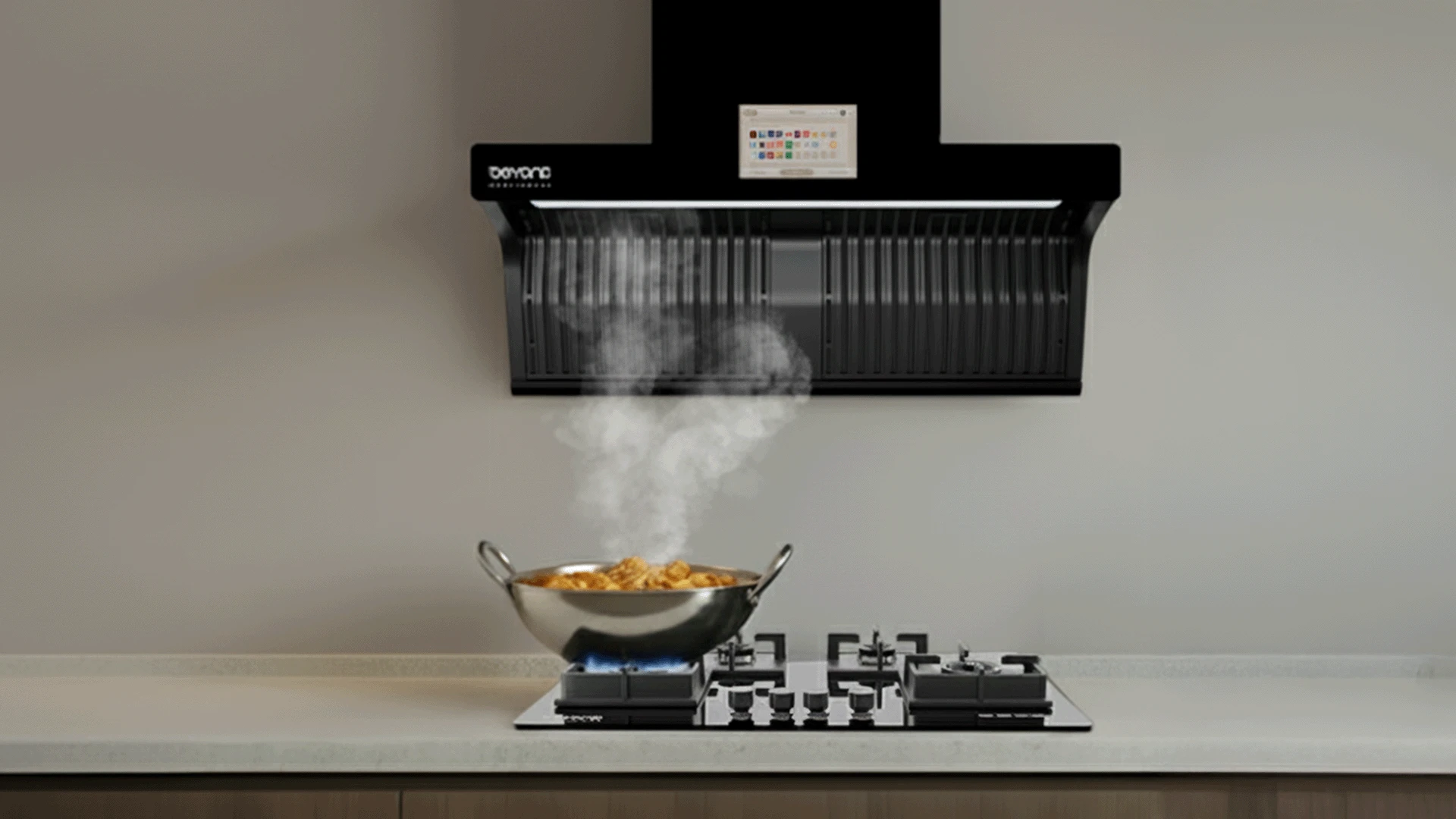
Spicy Indian cooking fills your kitchen with amazing aromas, but it also creates heavy smoke, oil particles, and lingering odors that can overwhelm your space. Traditional cooking methods like tempering spices, deep frying, and high-heat preparations generate more fumes than typical Western cooking styles. A proper kitchen chimney for spicy Indian cooking becomes essential to maintain a clean, healthy cooking environment. The right chimney not only removes smoke and odors but also protects your kitchen walls, cabinets, and appliances from grease buildup. Understanding the specific requirements for Indian cooking helps you choose a chimney that handles the unique challenges of our cuisine effectively.
Indian cooking presents unique ventilation challenges that standard range hoods often struggle to handle. The combination of high-temperature cooking, aromatic spices, and oil-based preparations creates dense smoke clouds that require powerful extraction. Unlike Western cooking that primarily deals with steam and light odors, Indian cooking chimney systems must tackle heavy particulates from masala frying, oil splatter from deep frying, and intense smoke from roasting spices. The health implications of poor kitchen ventilation become particularly serious with Indian cooking styles. Prolonged exposure to cooking fumes can cause respiratory issues, especially when dealing with chili powder, turmeric, and other potent spices. A quality range hood for spicy food removes these harmful particles before they settle on surfaces or enter your lungs. Additionally, proper ventilation prevents the sticky oil residue that typically coats kitchen surfaces after preparing Indian meals, reducing cleaning time and maintaining hygiene standards.
Selecting the right features ensures your chimney handles the demands of Indian cooking effectively. The most critical factor is suction power, measured in cubic meters per hour (m³/hr). For Indian kitchens, you need minimum 800 m³/hr for small spaces, while larger kitchens require 1200-1400 m³/hr to handle heavy cooking sessions.
Calculate your suction needs based on kitchen size and cooking frequency. Multiply your kitchen area by 10-12 for basic requirements, then add 200-300 m³/hr for heavy Indian cooking. A best kitchen exhaust fan for Indian homes typically ranges from 1000-1500 m³/hr to ensure complete smoke removal during peak cooking times.
Baffle filters work exceptionally well for chimney for oily cooking as they create turbulence that separates oil particles from air. These stainless steel filters handle high temperatures and resist corrosion from spice particles. Mesh filters offer basic protection but require frequent cleaning, while filterless technology reduces maintenance but may need higher suction power.
Indian cooking generates significant heat, so your chimney must withstand temperatures up to 80-90°C without performance degradation. Noise levels should stay below 58 decibels even at maximum speed to maintain kitchen comfort during extended cooking sessions.
Different chimney designs offer varying advantages for Indian cooking requirements. Wall-mounted chimneys remain the most popular choice for traditional Indian kitchens due to their powerful suction and easy installation above standard gas stoves.
These kitchen hood models mount directly on the wall above your cooktop, providing excellent coverage for multiple burners. They offer the highest suction power options and work well with ducted installations for maximum smoke removal efficiency.
Island chimneys suit modern open kitchen layouts but require careful sizing to handle Indian cooking demands. Built-in models save space but may have limited suction power compared to wall-mounted alternatives.
Ductless chimney models recirculate filtered air back into the kitchen, making installation easier but potentially less effective for heavy Indian cooking. Ducted systems exhaust air outside, providing superior performance for ventilation for Indian kitchen needs, though they require external ducting installation.
Proper suction calculation ensures your smoke absorber kitchen system handles your cooking style effectively. Start with your kitchen's cubic footage, then multiply by air changes per hour requirements. Indian cooking typically needs 15-20 air changes per hour compared to 10-12 for Western cooking. For kitchens up to 100 square feet, 800-1000 m³/hr provides adequate performance for moderate Indian cooking. Medium kitchens (100-200 sq ft) need 1000-1200 m³/hr, while larger spaces require 1400+ m³/hr for optimal results. Consider your cooking frequency and spice usage intensity when selecting power levels. Energy efficiency becomes important with higher suction requirements. Look for chimneys with variable speed controls that let you adjust power based on cooking intensity. This approach balances performance with energy consumption while maintaining effective smoke removal.
The choice between filtered and filterless technology significantly impacts maintenance and performance for Indian cooking. Auto clean chimney models with filterless technology use centrifugal force to separate oil particles, depositing them in a collection cup for easy disposal. Baffle filter systems excel at capturing the heavy oil and spice particles common in Indian cooking. These multi-layered stainless steel filters create turbulent airflow that effectively separates contaminants. While they require regular cleaning, they handle the demands of daily Indian cooking better than basic mesh filters. Filterless technology offers convenience but may struggle with extremely oily preparations like deep frying or extensive tempering. However, the reduced maintenance requirements make them attractive for busy households. Consider your cooking style and maintenance preferences when choosing between these technologies.
Proper installation height significantly affects chimney performance for Indian cooking. Mount your chimney 24-30 inches above the cooktop for gas stoves, ensuring adequate clearance while maintaining effective suction. Too high reduces efficiency, while too low creates safety hazards with high-flame cooking. Regular maintenance keeps your system operating at peak efficiency. Clean baffle filters weekly with warm soapy water, and check collection cups in filterless models after every few cooking sessions. Annual professional servicing ensures motor performance and identifies potential issues before they affect operation. Ducting installation requires careful planning for optimal airflow. Use smooth, straight ducts where possible, minimizing bends that reduce suction efficiency. Ensure external vents have adequate protection from weather while allowing free air movement.
Wall-mounted chimneys with 1000+ m³/hr suction power and baffle filters work best for traditional Indian kitchens handling heavy spices and oil. They provide superior coverage and extraction efficiency for multiple burner cooking.
Baffle filter chimneys generally perform better for Indian cooking as they effectively capture oil and spice particles. Filterless models offer easier maintenance but may require higher suction power for equivalent performance.
Minimum 800 m³/hr for small kitchens, 1000-1200 m³/hr for medium kitchens, and 1400+ m³/hr for large kitchens with heavy cooking. Consider your cooking frequency and spice usage when determining requirements.
Yes, auto-clean technology significantly reduces maintenance effort given the oil and spice residue from Indian cooking. The convenience factor makes them excellent for busy households that cook frequently.
Install your chimney 24-30 inches above gas cooktops for optimal performance. This height balances safety with suction efficiency for high-flame Indian cooking techniques.
Choosing the perfect kitchen chimney for spicy Indian cooking requires understanding your specific needs and cooking patterns. Prioritize adequate suction power, appropriate filter technology, and proper installation for optimal results. Consider maintenance requirements and energy efficiency when making your final decision. A well-chosen chimney transforms your cooking experience, keeping your kitchen clean and comfortable while you create delicious Indian meals.
