
How to Choose the Best Smoke Eaters for Home
Cart
Your cart is empty
Cooking delicious meals at home brings joy, but dealing with smoke, grease, and lingering odors can quickly turn your kitchen into an uncomfortable space. Whether you're preparing spicy Indian curries or grilling your favorite dishes, having the right efficient smoke removal appliances makes all the difference. Modern kitchens need powerful ventilation solutions that not only clear smoke but also maintain excellent indoor air quality. From traditional range hoods to advanced air purifiers, choosing the right smoke elimination system depends on your cooking style, kitchen layout, and specific needs. This comprehensive guide will help you navigate through various options and make an informed decision for your home.
Modern homes offer several options for removing cooking smoke and maintaining clean air. Each type of smoke eliminator serves different purposes and works best in specific situations. Understanding these differences helps you choose the most suitable option for your kitchen setup. The effectiveness of any ventilation system depends on proper sizing, installation, and maintenance. Consider your cooking habits, kitchen size, and budget when evaluating different options.
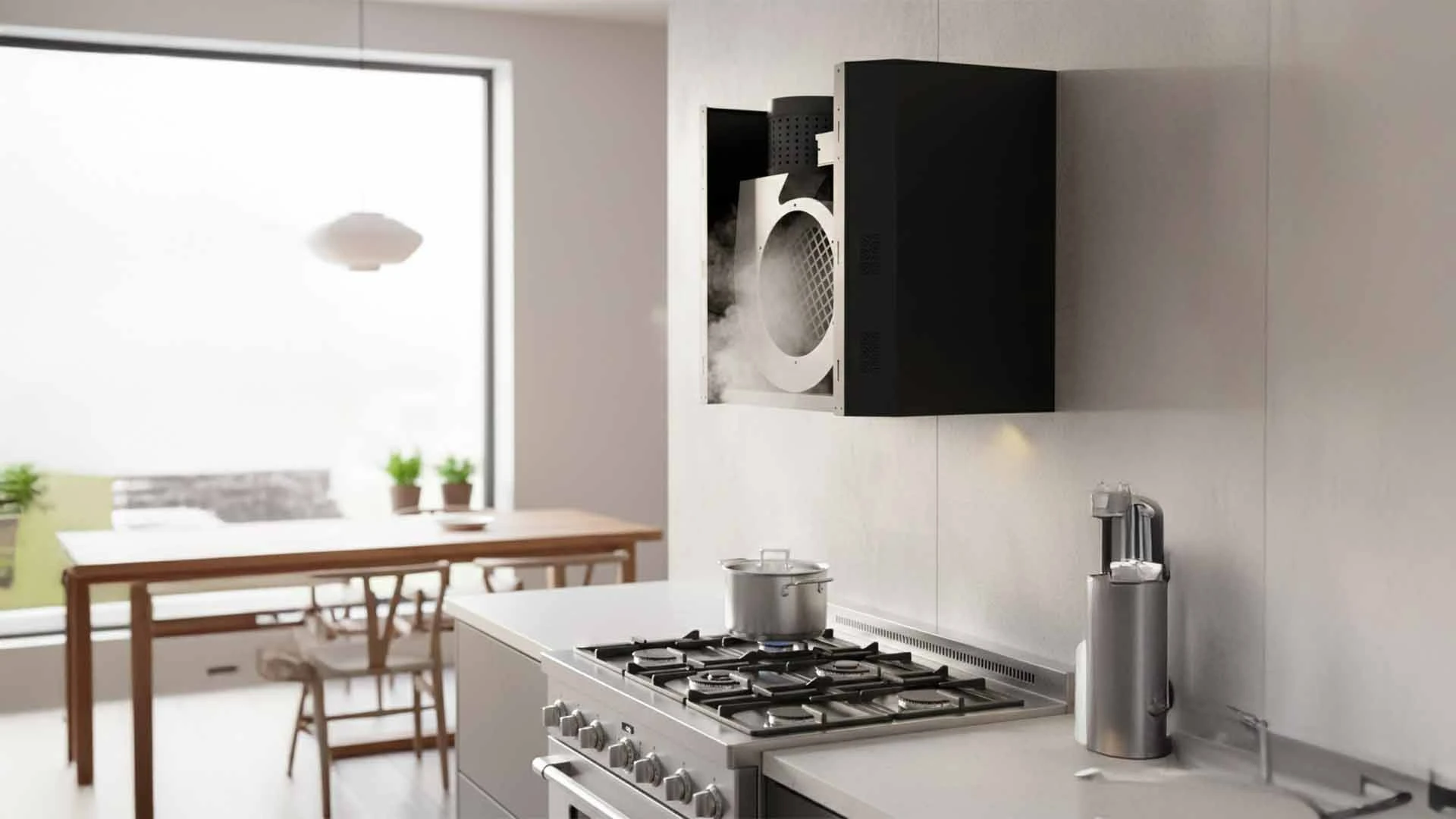
Range hoods remain the most popular choice for kitchen ventilation. Wall-mounted models work well for kitchens with cooktops against walls, while under-cabinet versions save space in smaller kitchens. Ducted systems expel air outside, providing superior performance for heavy cooking. Ductless models filter and recirculate air, making them suitable for apartments or homes without external venting options.
Air purifiers for smoke complement your primary ventilation system. HEPA filters capture fine particles, while activated carbon layers absorb odors and gases. Some advanced models include plasma or UV technology for enhanced purification. These units work continuously to maintain clean air throughout your cooking area.
Commercial-grade fume extractors offer powerful suction for serious home cooks. Portable units provide flexibility, while fixed installations deliver consistent performance. These systems excel at capturing smoke directly at the source, preventing it from spreading throughout your home.
Selecting the right smoke removal system requires careful evaluation of several important features. Performance specifications, filtration technology, and user-friendly controls all impact your daily cooking experience. Smart features and energy efficiency also play crucial roles in long-term satisfaction. Modern appliances offer sophisticated technologies that automatically adjust to cooking conditions. These intelligent systems provide optimal performance while minimizing energy consumption and noise levels.
Multi-stage air filtration systems provide comprehensive smoke and odor removal. Primary filters capture grease and large particles, while secondary filters handle fine smoke and odors. Advanced models include auto-clean technology that reduces maintenance requirements. Look for systems with easy filter access and clear replacement indicators.
CFM (Cubic Feet per Minute) ratings indicate suction capacity. Calculate 100 CFM per linear foot of cooktop for wall-mounted units, or 150 CFM for island installations. Consider your cooking style – frequent frying or grilling requires higher CFM ratings. Balance power with noise levels, especially in open kitchen layouts.
Push-button operation and LED indicators make daily use convenient. Timer functions allow automatic shutdown after cooking. Some models include smoke sensors that activate ventilation automatically. Remote controls and smartphone connectivity add modern convenience to your kitchen experience.
Your kitchen layout and cooking preferences determine the most suitable smoke removal solution. Indian cooking, with its high heat and aromatic spices, requires different ventilation than Western cooking styles. Open kitchens need quiet operation, while compact spaces benefit from space-saving designs. Matching your ventilation system to your specific needs ensures optimal performance and satisfaction. Consider both current cooking habits and potential future changes in your culinary preferences.
Indian cooking generates significant smoke and strong odors from spices and high-heat cooking methods. Double baffle filters effectively capture grease from oil-heavy preparations. Powerful suction systems handle curry smoke and aromatic spices. Look for models with odor removal capabilities specifically designed for Indian cooking styles.
Open kitchens require aesthetically pleasing solutions that integrate seamlessly with living spaces. Island range hoods and ceiling-mounted options provide effective ventilation without blocking sight lines. Quiet operation becomes crucial when the kitchen connects to dining and living areas. Choose models with attractive designs that complement your home décor.
Compact under-cabinet models maximize space efficiency in smaller kitchens. Ductless options work well when external venting isn't possible. Multi-functional appliances combine lighting with ventilation. Consider slim profiles that don't overwhelm limited space while still providing adequate smoke removal capacity.
Proper installation ensures optimal performance and safety of your ventilation systems. Professional installation guarantees compliance with building codes and electrical requirements. Regular maintenance keeps your system operating efficiently and extends its lifespan. Understanding maintenance requirements helps you budget for ongoing costs and ensures consistent performance. Simple maintenance tasks can often be handled by homeowners, while complex repairs require professional service.
Electrical connections and ductwork modifications typically require professional installation. Proper positioning ensures maximum efficiency and safety. Building codes may mandate specific installation requirements. Professional installation often includes warranty coverage and ensures optimal performance from day one.
Clean baffle filters monthly with warm soapy water or in the dishwasher. Replace charcoal filters every 3-6 months depending on usage. Annual duct cleaning maintains airflow efficiency. Regular maintenance prevents grease buildup and ensures consistent indoor air quality improvement.
Investment in quality smoke removal equipment pays dividends through improved air quality and cooking comfort. Initial costs vary significantly based on features, capacity, and installation requirements. Consider long-term operational costs including energy consumption and filter replacements. Value extends beyond purchase price to include performance, durability, and ongoing maintenance costs. Quality systems often provide better long-term value despite higher initial investment.
Basic under-cabinet models start around INR 5,000, while premium island hoods can exceed INR 50,000. Installation costs range from INR 2,000 to INR 10,000 depending on complexity. Factor in ongoing costs for filter replacements and energy consumption when comparing options.
Effective ventilation reduces indoor air pollution and protects family health. Energy-efficient models minimize operational costs while maintaining performance. Quality systems can increase property value and appeal to potential buyers. Consider health benefits and comfort improvements when evaluating investment value.
Powerful ducted range hoods with high CFM ratings work best for Indian cooking. Look for models with double baffle filters and strong suction capacity (600+ CFM) to handle high-heat cooking and aromatic spices effectively.
Multiply your cooktop width by 100 CFM for wall-mounted hoods, or 150 CFM for island installations. For heavy cooking, increase by 25-50%. A 30-inch cooktop typically needs 300-450 CFM depending on installation type and cooking style.
Ductless models with quality multi-stage filtration can effectively remove smoke and odors, though ducted systems generally provide superior performance. They work well for light to moderate cooking but may struggle with heavy smoke production.
Clean metal baffle filters monthly, replace charcoal filters every 3-6 months, and HEPA filters annually. Heavy cooking may require more frequent replacements. Always check manufacturer recommendations for your specific model.
Basic under-cabinet models may be DIY-friendly, but most installations require professional help for electrical connections and ductwork. Professional installation ensures safety, code compliance, and optimal performance.
Choosing the right efficient smoke removal appliances transforms your cooking experience and maintains healthy indoor air quality. Consider your cooking style, kitchen layout, and budget when evaluating options. Proper installation and regular maintenance ensure optimal performance and longevity. Whether you choose a powerful range hood, dedicated air purifier, or specialized fume extractor, investing in quality ventilation equipment pays dividends in comfort, health, and cooking enjoyment. Remember that effective smoke removal goes beyond just clearing visible smoke – it also eliminates odors, grease particles, and harmful pollutants that can affect your family's well-being.
