

How to Choose the Best Kitchen Water Filter for Your Home
Clean drinking water is essential for every household, yet many homeowners remain uncertain about their water quality. With increasing concerns about contaminants in municipal water supplies and well water, investing in a reliable kitchen water filter has become more important than ever. This comprehensive guide will help you navigate the various options available and choose the perfect filtration system that meets your family's specific needs and budget.
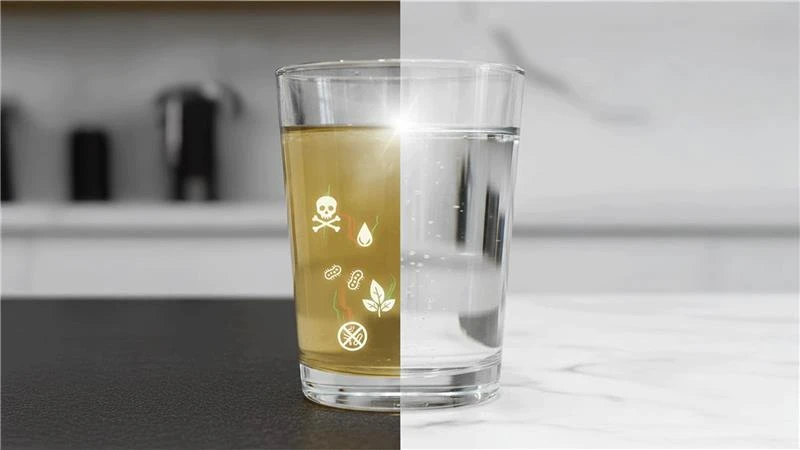
Before diving into specific products, it's crucial to understand what you're filtering out of your water. Common contaminants include chlorine, lead, bacteria, pesticides, and various chemicals that can affect both taste and health.
Municipal water often contains chlorine for disinfection, which can create an unpleasant taste and odor. Heavy metals like lead and mercury may leach from old pipes, while agricultural runoff can introduce pesticides and nitrates into water supplies.
Modern water purifier for kitchen systems use several proven technologies. Reverse osmosis removes up to 99% of dissolved solids through a semi-permeable membrane. Activated carbon filters excel at removing chlorine, organic compounds, and improving taste. UV purification destroys bacteria and viruses using ultraviolet light, while ceramic filters provide physical barrier filtration.
Choosing the right type depends on your space, budget, and water quality needs. Each system offers unique advantages and considerations for different household situations.
These portable units sit on your counter and connect directly to your faucet. They're perfect for renters or those wanting filtration without permanent installation. Most models filter 1-3 gallons per hour and require minimal maintenance.
An under sink water filter provides excellent filtration while keeping your countertop clear. These systems typically offer higher capacity and better contaminant removal than countertop models. Installation requires some plumbing knowledge, but the results are worth the effort.
A kitchen faucet water filter screws directly onto your existing faucet for instant filtration. These budget-friendly options provide basic contaminant removal and easy switching between filtered and unfiltered water.
For comprehensive protection, a whole house water filter treats all water entering your home. While more expensive initially, these systems protect appliances from scale buildup and provide filtered water at every tap.
Selecting the best kitchen water filter requires evaluating several important factors. Your local water quality, household size, and budget all play crucial roles in this decision.
In India, most homeowners evaluate their water’s TDS (Total Dissolved Solids) before choosing a filtration system.
Below 300 ppm: Water is generally safe and only needs carbon or UV filtration to remove chlorine, bacteria, and odors.
300–500 ppm: Borderline; many choose RO for added safety depending on local contamination.
Above 500 ppm: An RO system is strongly recommended as it reduces excess salts, heavy metals, and dissolved solids.
Testing your TDS with a simple handheld meter (costing INR 300–500) helps you choose the right system without overspending.
Start by testing your water to identify specific contaminants. Many municipalities provide annual water quality reports, or you can purchase home testing kits. This information helps you choose a system targeting your specific water issues.
Consider how much filtered water your family uses daily. A drinking water filter for kitchen should provide adequate flow for cooking, drinking, and food preparation without causing delays.
Some systems require professional installation, while others are DIY-friendly. Factor in ongoing costs like filter replacements, which typically occur every 3-12 months depending on the system type.
Understanding how different technologies work helps you make an informed decision. Each method targets specific contaminants and kitchen filtration system.
RO systems force water through extremely fine membranes, removing dissolved solids, heavy metals, and many chemicals. These systems typically include multiple filtration stages and produce some wastewater during the process. RO is most suitable for areas where TDS levels are above 300 ppm. For very low TDS water, RO may strip away beneficial minerals unnecessarily, so combining RO with a remineralizer is often preferred.
Carbon filters excel at improving taste and odor while removing chlorine and organic compounds. They're often combined with other technologies for comprehensive filtration in a water filter system for home use.
UV light destroys bacteria, viruses, and other microorganisms without adding chemicals to your water. These systems work best when combined with other filtration methods for complete protection. UV systems are effective only when TDS is low (under 300 ppm). They disinfect water but cannot reduce dissolved salts, hardness, or heavy metals.
Proper maintenance ensures your kitchen sink water filter continues providing clean, safe water. Regular filter changes and system monitoring are essential for optimal performance.
Most carbon filters need replacement every 2-6 months, while RO membranes can last 2-3 years with proper care. Set calendar reminders to stay on top of maintenance schedules.
Watch for changes in water taste, odor, or flow rate, which may indicate filter replacement time. Some advanced systems include monitoring features that alert you when maintenance is needed.
While initial costs vary from INR 2,000 for basic faucet filters to INR 25,000+ for comprehensive RO systems, calculate long-term expenses including filter replacements and energy usage.
With all the information gathered, you can now confidently choose the right filtration system. Consider your specific water quality issues, household size, budget constraints, and installation preferences.
Basic faucet-mounted filters and simple countertop units offer good value for smaller households with relatively clean water supplies. These typically cost INR 2,000-8,000 initially.
Multi-stage under-sink systems and whole-house filters provide comprehensive protection for larger families or areas with significant water quality issues. Expect investments of INR 15,000-50,000 or more.
Yes, quality filters remove many contaminants when properly maintained. However, effectiveness varies by filter type and target contaminants. Always check certification ratings for specific removal claims.
Both serve different purposes. RO removes dissolved solids and chemicals, while UV destroys microorganisms. Many comprehensive systems combine both technologies for complete protection.
Replacement frequency depends on filter type, water quality, and usage. Carbon filters typically need changing every 2-6 months, while RO membranes last 2-3 years.
No single filter removes everything. Different technologies target specific contaminants. Choose a system certified to remove the contaminants present in your water supply.
Not necessarily. The best filter depends on your specific water quality issues. A simple carbon filter might be perfect for chlorine removal, while complex contamination requires advanced systems.
Selecting the right kitchen water filter involves understanding your water quality, evaluating different technologies, and considering long-term costs. Start with a water quality test to identify specific contaminants, then choose a certified system that addresses those issues within your budget. Remember that proper maintenance is crucial for continued effectiveness, regardless of which system you choose. Clean, safe drinking water is an investment in your family's health and well-being that pays dividends for years to come.
