
How to Choose the Best Extractor for Cooking Smoke
Cart
Your cart is empty
Cooking creates more than just delicious meals—it produces smoke, grease, and odors that can affect your kitchen's air quality and your family's health. The right extractor transforms your cooking space into a cleaner, more comfortable environment. Whether you're dealing with daily meal prep or weekend cooking marathons, understanding how to choose the best extractor for cooking smoke helps you make an informed decision that protects your home and enhances your cooking experience. Modern kitchen ventilation has evolved beyond basic exhaust fans to include sophisticated systems that efficiently remove contaminants while complementing your kitchen's design.
Kitchen ventilation systems serve as your first line of defense against cooking-related air pollution. These systems work by capturing smoke, steam, grease particles, and cooking odors at their source, preventing them from spreading throughout your home.
A quality fume extractor combines powerful suction with efficient filtration to remove airborne contaminants. The system captures particles as small as 0.3 microns, including grease droplets and smoke particles that can settle on surfaces and affect indoor air quality. Effective extractors also remove excess heat and moisture, preventing condensation that leads to mold growth.
Modern kitchens offer several extractor options. Range hood systems mount above your cooktop and provide the most comprehensive smoke removal. Downdraft ventilation systems rise from behind or beside your cooking surface, ideal for kitchen islands. Kitchen exhaust fan units offer basic ventilation for smaller spaces, while air purifier kitchen units provide portable solutions for apartments or rental properties.
Choosing between ducted and ductless systems significantly impacts your extractor's performance and your kitchen's air quality. Each system type offers distinct advantages depending on your kitchen layout and ventilation needs.
Ducted systems connect directly to exterior vents, completely removing contaminated air from your kitchen. These systems excel at smoke removal because they don't recirculate air—they expel it outside. Ducted extractors handle heavy cooking loads effectively, making them ideal for frequent cooking and high-heat preparation methods.
Ductless systems filter air through charcoal and grease filters before recirculating it back into your kitchen. While less effective than ducted systems for smoke removal, they offer easier installation and work well for light to moderate cooking. These systems suit apartments or homes where exterior ducting isn't feasible.
Selecting the best extractor for cooking smoke requires understanding key performance features that directly impact air quality and user experience. These features determine how effectively your system removes contaminants and how well it integrates with your cooking routine.
CFM (cubic feet per minute) ratings indicate your extractor's airflow capacity. Calculate your needs by multiplying your kitchen's square footage by 10-15 for moderate cooking or 15-20 for heavy cooking. A 200-square-foot kitchen typically requires 300-400 CFM for effective cooktop ventilation. Higher CFM ratings ensure faster smoke clearance but may increase noise levels.
Baffle filters capture grease effectively while allowing smooth airflow, making them ideal for heavy cooking. Charcoal filters absorb odors in ductless systems but require regular replacement. Some premium models feature auto-clean functions that reduce maintenance requirements. Filter quality directly affects long-term performance and operating costs.
Your extractor should extend at least 3 inches beyond your cooktop on each side for optimal capture. Wall-mounted units work well for standard layouts, while island installations require more powerful systems due to cross-currents. Consider ceiling height—extractors perform best when installed 24-30 inches above gas cooktops and 20-24 inches above electric surfaces.
Kitchen size, layout, and cooking habits influence which extractor type provides optimal performance. Matching your system to your specific needs ensures effective smoke removal while maintaining energy efficiency.
Small kitchens benefit from under-cabinet range hoods that maximize space while providing adequate ventilation. These units typically offer 200-400 CFM capacity, sufficient for standard cooking needs. Slim-profile designs integrate seamlessly with existing cabinetry while maintaining easy access to controls and filters.
Spaciou kitchens with high ceilings need more powerful systems to overcome air currents and distance factors. Island installations require 600+ CFM capacity to compensate for cross-drafts. Professional-style cooking demands commercial-grade extractors that handle high heat and heavy smoke production effectively.
Proper installation and regular maintenance ensure your ventilation system operates at peak efficiency throughout its lifespan. Understanding these requirements helps you budget for ongoing costs and plan maintenance schedules.
Professional installation ensures proper ductwork sizing, electrical connections, and mounting security. Installers can identify potential issues like inadequate makeup air or structural limitations that affect performance. Many manufacturers require professional installation to maintain warranty coverage, making this investment worthwhile for expensive systems.
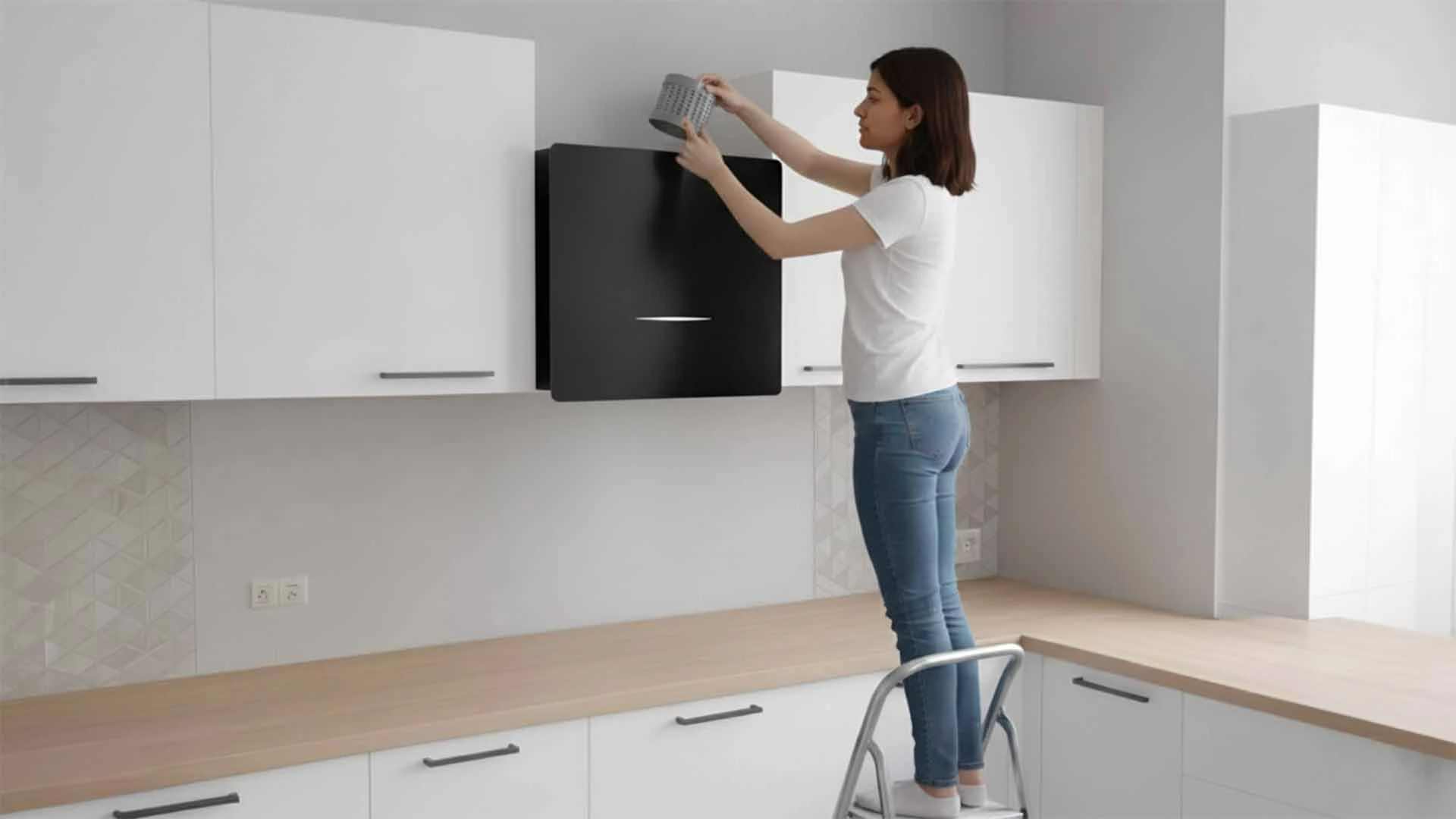
Clean grease filters monthly or after every 30 hours of cooking to maintain optimal airflow. Replace charcoal filters every 3-6 months in ductless systems. Annual ductwork cleaning prevents grease buildup that reduces efficiency and creates fire hazards. Regular maintenance extends equipment life and ensures consistent performance.
Extractor prices vary significantly based on features, capacity, and build quality. Understanding price ranges helps you balance performance needs with budget constraints while ensuring long-term value.
Basic under-cabinet models provide essential smoke removal for light cooking. These units typically offer 200-300 CFM capacity with standard grease filters. While lacking advanced features, they deliver reliable performance for small kitchens and moderate cooking needs.
Mid-range extractors offer enhanced features like variable speed controls, LED lighting, and improved filter systems. These units provide 400-600 CFM capacity with quieter operation and better build quality. Many include extended warranties and professional installation services.
High-end extractors feature advanced technologies like heat sensors, automatic speed adjustment, and smartphone connectivity. Premium materials ensure durability while sophisticated designs complement luxury kitchens. These systems offer commercial-grade performance for serious cooking enthusiasts.
Effective smoke extraction contributes significantly to healthy cooking environments by removing harmful particles and maintaining air quality. Understanding these health benefits motivates proper system selection and usage.
Cooking without adequate ventilation exposes your family to fine particles, nitrogen dioxide, and volatile organic compounds. These pollutants can trigger asthma, cause respiratory irritation, and contribute to long-term health issues. Proper extraction reduces these risks while eliminating lingering odors that affect comfort.
Start your extractor before cooking begins and run it for 15 minutes after finishing to ensure complete air clearance. Use appropriate fan speeds—higher settings for high-heat cooking and lower settings for simmering. Combine mechanical ventilation with natural methods like opening windows when weather permits.
Yes, kitchen extractors effectively remove smoke, heat, grease, and cooking fumes through mechanical ventilation and filtration systems. Ducted systems provide superior smoke removal by venting contaminated air directly outside.
Ducted range hoods provide the most effective smoke removal by completely expelling contaminated air from your kitchen rather than recirculating it. High-quality ductless systems with advanced filtration offer the next best option.
Ducted extractor fans generally perform best because they completely remove contaminated air from the kitchen. They handle heavy cooking loads more effectively than ductless systems that recirculate filtered air.
Use window exhaust fans, portable air purifiers, or downdraft ventilation systems as alternatives. These options work well for apartments or kitchens where traditional range hood installation isn't possible.
Choose an extractor with CFM rating 10-15 times your kitchen's square footage. Minimum 200 CFM for basic cooking needs, 400+ CFM for moderate cooking, and 600+ CFM for heavy cooking or large kitchens.
Portable units work well for light cooking and small spaces but cannot match installed ducted systems for heavy cooking. They provide supplemental ventilation and suit temporary or rental situations.
Choosing the best extractor for cooking smoke requires balancing performance needs, kitchen layout, and budget considerations. Ducted systems offer superior smoke removal for serious cooking, while ductless options provide convenient solutions for lighter needs. Proper sizing ensures adequate airflow—calculate 10-15 CFM per square foot of kitchen space. Regular maintenance keeps your system operating efficiently and extends its lifespan. Remember that effective kitchen ventilation protects your family's health while preserving your home's air quality and cleanliness.
