

How to Choose the Best Chimney Pipe Cover for Your Fireplace
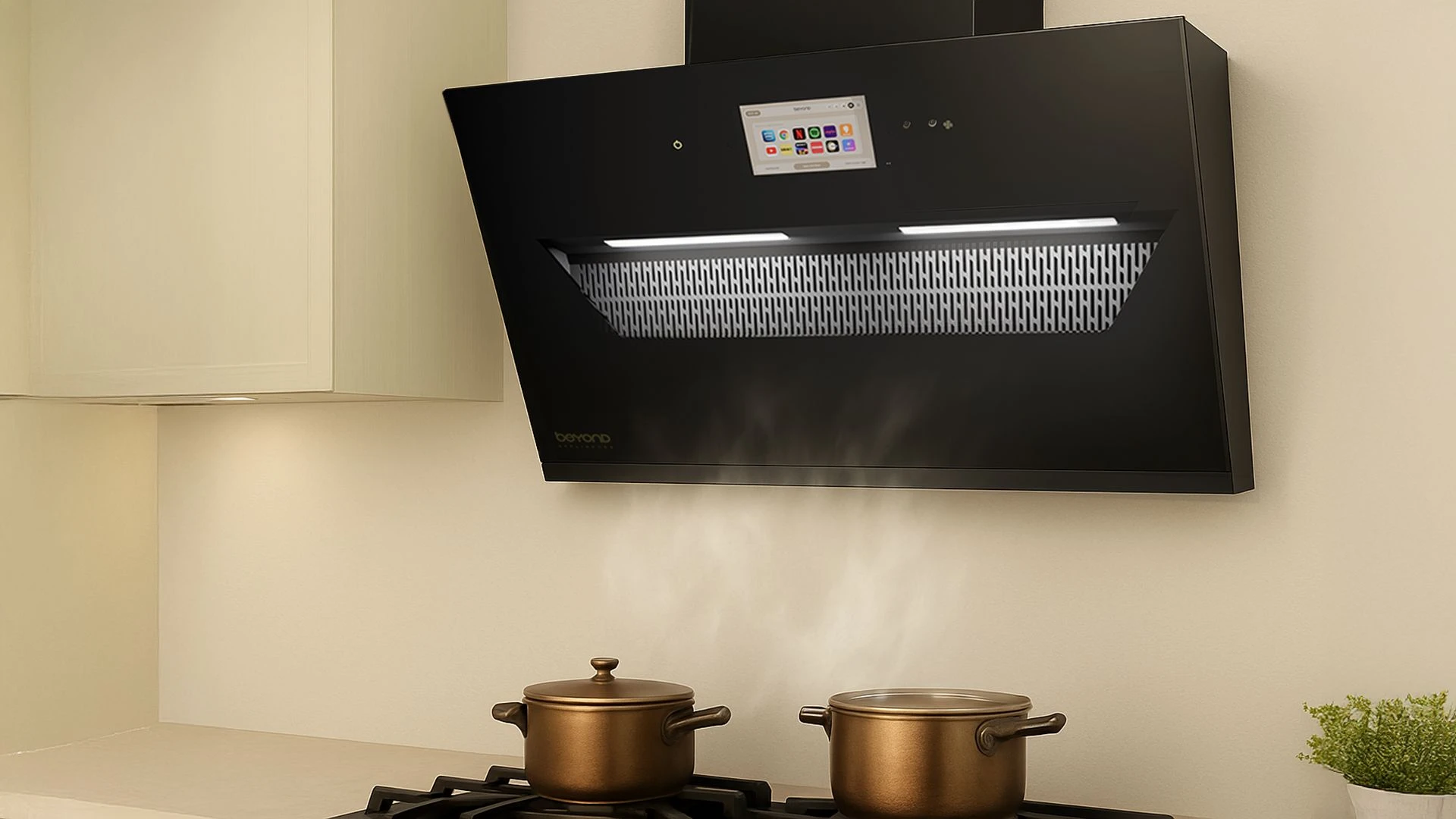
A well-chosen chimney pipe cover can make the difference between years of trouble-free fireplace operation and costly repairs down the road. Whether you're protecting a kitchen chimney or a traditional fireplace, selecting the right cover involves understanding materials, sizing, and installation requirements. This guide walks you through everything you need to know to make an informed decision that protects your investment and keeps your home safe. From stainless steel options to proper measurement techniques, we'll cover the essential factors that determine long-term performance and value.
A chimney pipe cover serves as the first line of defense against weather, debris, and unwanted pests. These protective devices sit atop your chimney pipe and create a barrier while maintaining proper ventilation flow. The primary functions include preventing rain and snow from entering the flue, blocking birds and small animals from nesting inside, and reducing downdrafts that can affect fireplace performance.
Different cover styles serve specific purposes and environments. A chimney cap typically features a flat top with mesh sides, while a chimney cowl includes rotating or fixed vanes to improve draft. For kitchen applications, specialized covers accommodate higher temperatures and grease exposure that standard residential covers might not handle effectively.
Stainless steel remains the most popular choice due to its corrosion resistance and durability. Galvanized steel offers a budget-friendly alternative, though it requires more frequent replacement. Copper provides excellent longevity but comes at a premium price point.
Modern covers incorporate mesh screens that keep pests out while allowing smoke and gases to escape freely. The mesh size matters – too fine and debris clogs quickly, too coarse and small animals can still enter.
Material selection directly impacts both performance and longevity of your fireplace flue cover. Stainless steel stands out for its exceptional resistance to rust and corrosion, making it ideal for coastal areas or regions with harsh weather conditions. The 304-grade stainless steel offers good corrosion resistance, while 316-grade provides superior protection in marine environments.
Aluminum covers cost less initially but may not withstand extreme temperature fluctuations as well as steel options. They work well in mild climates where budget considerations outweigh long-term durability needs. Copper develops a protective patina over time and can last decades, but the higher upfront cost makes it suitable mainly for premium installations.
Coastal regions require materials that resist salt air corrosion. Stainless steel or copper perform best in these conditions, while galvanized steel may deteriorate quickly.
Kitchen chimneys and high-efficiency fireplaces generate more heat than traditional wood-burning units. Ensure your chosen material can handle the expected temperature range without warping or degrading.
Proper sizing ensures your chimney top cover provides effective protection without restricting airflow. Start by measuring the outside diameter of your chimney pipe at the top. Round pipes require diameter measurements, while rectangular or square chimneys need length and width dimensions. Add approximately 2-3 inches to each dimension to ensure adequate overhang for weather protection.
Standard residential chimney pipes typically range from 6 to 12 inches in diameter, with 8-inch being most common for modern installations. Commercial and kitchen applications may require larger sizes or custom fabrication to accommodate higher volume exhaust requirements.
Measuring the inside diameter instead of outside dimensions leads to covers that won't fit properly. Always measure from the exterior wall to exterior wall for accurate sizing.
Unusual chimney shapes or multiple pipes may require custom fabrication. Many manufacturers offer made-to-order options for non-standard applications at reasonable additional cost.
Installing a chimney pipe protector requires careful attention to safety and proper technique. Most homeowners can handle basic installations with the right tools and preparation. However, roof access and height considerations make professional installation advisable for many situations. The installation process typically involves securing the cover to the chimney pipe using clamps, screws, or adhesive mounts depending on the cover design.
Essential tools include a drill with masonry bits, stainless steel screws or clamps, and a level to ensure proper alignment. Safety equipment like a sturdy ladder, non-slip shoes, and ideally a safety harness prevent accidents during installation. Weather conditions matter too – avoid installation during windy or wet conditions that increase risk.
Clean the chimney top thoroughly before installation. Position the cover and mark mounting points. Drill pilot holes if needed and secure with appropriate fasteners.
Professionals bring experience with various chimney types and can identify potential issues before they become problems. They also carry insurance coverage for any installation-related damage.
Kitchen chimney applications require covers designed to handle grease, higher temperatures, and more frequent use than traditional fireplace covers. A specialized fireplace vent cover for kitchen use typically features easier cleaning access and materials that resist grease buildup. Stainless steel with smooth surfaces works best for these applications since it cleans easily and doesn't harbor bacteria or odors.
Outdoor fireplace installations face different challenges including exposure to all weather conditions and potential for debris accumulation. These covers need robust construction and may benefit from additional features like spark arrestors to prevent fire hazards. The fireplace damper cover for outdoor use should also accommodate varying wind conditions that can affect draft performance.
Modern modular kitchens often incorporate concealed chimney systems that require covers designed to work with ducted exhaust systems. These covers must maintain the clean aesthetic while providing necessary protection.
Commercial installations typically require larger, more robust covers with higher capacity ratings. Building codes may specify particular requirements for commercial kitchen exhaust systems.
Regular maintenance extends the life of your fireplace exhaust cover and ensures continued protection. Monthly visual inspections help identify issues before they become major problems. Look for rust spots, loose fasteners, damaged mesh screens, or debris accumulation that could block proper ventilation. Cleaning requirements vary by environment and usage, but most covers benefit from quarterly cleaning to remove leaves, bird nests, and other debris.
For kitchen chimney covers, more frequent cleaning may be necessary due to grease accumulation. Use appropriate degreasers and ensure complete removal of cleaning agents that could affect air quality. Winter months require additional attention in cold climates where ice formation can damage covers or block ventilation paths.
Use binoculars for safe ground-level inspection of roof-mounted covers. Look for signs of animal damage, storm damage, or normal wear patterns that indicate replacement needs.
Rust holes, cracked mesh screens, or loose mounting hardware signal time for replacement. Don't wait until complete failure occurs, as this can allow water damage to chimney components.
Measure the outside diameter of your chimney pipe and add 2-3 inches for proper overhang. Most residential installations use 6-12 inch diameter covers, with 8-inch being most common.
Quality stainless steel covers typically last 10-15 years with proper maintenance. Galvanized steel may need replacement every 5-7 years, while aluminum covers last 7-10 years depending on climate conditions.
Basic installations are within most homeowner capabilities, but roof access and safety concerns make professional installation advisable. Consider your comfort level with heights and tool requirements before deciding.
Stainless steel grade 316 or copper provide the best corrosion resistance in salt air environments. Avoid galvanized steel in coastal locations as it deteriorates quickly from salt exposure.
Properly sized covers actually improve draft by preventing downdrafts while maintaining adequate ventilation. Undersized covers can restrict flow, so correct sizing is essential.
Selecting the right chimney rain cap involves balancing material quality, proper sizing, and installation considerations with your specific environment and budget. Stainless steel offers the best overall value for most applications, while proper measurement ensures effective protection without airflow restriction. Whether you choose DIY installation or professional service, regular maintenance keeps your cover functioning effectively for years to come. Investing in quality protection now prevents costly chimney a target="_blank" href="https://beyondappliances.in/">and kitchen exhaust system.
