

How to Choose the Best Chimney Filter for Indian Cuisine
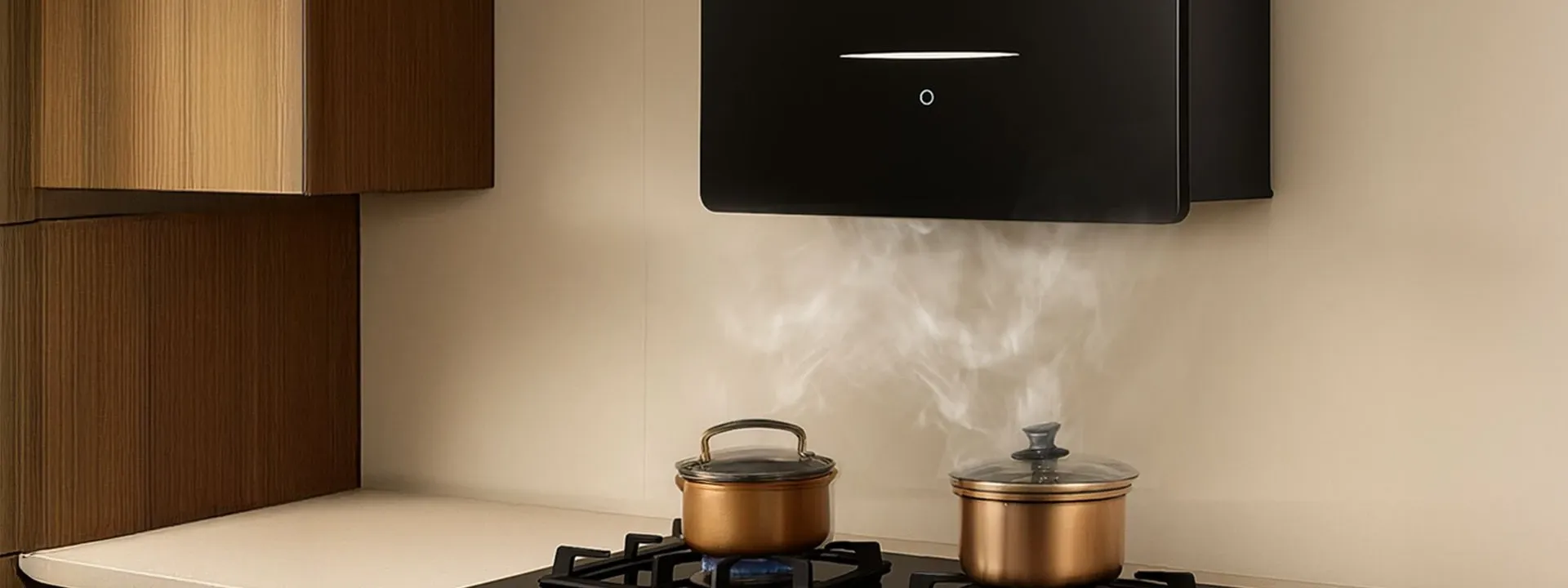
Indian kitchens present unique challenges that require specialized ventilation solutions. The heavy use of oils, spices, and high-heat cooking methods creates thick smoke and grease that can quickly overwhelm standard kitchen exhaust systems. Understanding what chimney filter type suits Indian cooking habits is crucial for maintaining a clean, comfortable cooking environment. The right filter choice can make the difference between a kitchen that stays fresh and one that becomes a greasy, smoky battleground. With various chimney filter types available in the market, selecting the perfect match for your cooking style ensures optimal performance and longevity.
Indian cooking involves techniques that generate significantly more smoke and grease compared to other cuisines. The frequent use of tadkas, deep frying, and spice tempering creates dense smoke clouds that standard filters struggle to handle. Kitchen chimney for Indian cooking must address these specific challenges effectively. The high oil content in Indian recipes, from simple dal tempering to elaborate biryanis, produces sticky grease particles that cling to surfaces. These particles not only affect air quality but also accumulate on kitchen walls, cabinets, and appliances. Without proper kitchen ventilation, this grease buildup becomes a persistent cleaning nightmare. Spice-heavy cooking generates aromatic but potentially irritating smoke that requires immediate extraction. The combination of turmeric, red chili powder, and garam masala creates a complex mixture of particles that demand robust filtration systems. Standard mesh filters often become clogged within weeks of regular Indian cooking, leading to reduced efficiency and frequent replacements.
Selecting the right filter technology is essential for handling the demands of Indian cuisine. Each chimney filter types offers distinct advantages and limitations that directly impact performance in Indian kitchens. Understanding these differences helps make informed decisions based on cooking frequency and style. Modern best chimney filters are designed with specific technologies to address different cooking challenges. The choice between baffle, mesh, charcoal, or filterless systems depends on factors like cooking intensity, maintenance preferences, and budget considerations.
Baffle filters represent the gold standard for Indian cooking environments. These multi-layered stainless steel filters use a maze-like design that forces air to change direction multiple times, effectively separating grease and smoke particles through centrifugal force. The robust construction handles heavy oil cooking without clogging, making them ideal for daily Indian meal preparation. Unlike mesh filters, baffle filters maintain consistent suction power even with grease accumulation.
Mesh filters offer an economical entry point for basic kitchen ventilation needs. These aluminum or stainless steel screens capture larger grease particles but struggle with fine smoke particles common in Indian cooking. While suitable for occasional cooking, mesh filters require frequent cleaning and replacement when used with heavy Indian cooking styles. They work best in kitchens with light cooking patterns or as secondary filtration layers.
Activated carbon filters excel at removing odors and are particularly effective in ductless chimney installations. These filters absorb aromatic compounds from spices and cooking oils, preventing odors from circulating back into the kitchen. Charcoal filters require regular replacement every 3-6 months depending on usage intensity. They work best in combination with primary grease filters rather than as standalone solutions.
Auto clean chimney systems use thermal cleaning or oil collection mechanisms to maintain performance without traditional filters. These systems heat internal components to burn off grease deposits or collect oil in removable containers. While convenient for maintenance, filterless systems may not provide the same level of fine particle filtration as quality baffle filters, especially during heavy cooking sessions.
Evaluating filter performance requires understanding how different technologies handle the specific challenges of Indian cuisine. Oil filter chimney systems must demonstrate superior grease capture efficiency to maintain long-term performance. The ability to handle high-temperature cooking and dense smoke production separates premium filters from basic options. Baffle filters consistently outperform other technologies in Indian cooking environments due to their mechanical separation process. The stainless steel construction resists corrosion from acidic cooking vapors while maintaining structural integrity under continuous use. This durability translates to lower long-term costs despite higher initial investment. Mesh filters show rapid performance degradation with heavy Indian cooking, requiring cleaning every 2-3 weeks to maintain adequate suction. The fine mesh structure becomes clogged with sticky grease particles, reducing airflow and forcing the motor to work harder.
Different filter types demand varying maintenance schedules that impact overall ownership experience. Baffle filter chimney systems require cleaning every 2-3 months with regular Indian cooking, using simple dishwasher cycles or warm soapy water. Filterless systems eliminate filter replacement costs but may require professional servicing for thermal cleaning components. The oil collection containers need regular emptying and cleaning to prevent overflow and maintain hygiene standards.
Initial filter costs represent only a portion of long-term ownership expenses. Replacement frequency, cleaning requirements, and energy efficiency all contribute to total cost of ownership. Baffle filters offer superior value despite higher upfront costs due to their durability and low maintenance needs. Charcoal filters incur ongoing replacement costs that can exceed INR 2,000 annually with heavy cooking. Mesh filters may seem economical initially but require frequent replacements that accumulate significant costs over time.
Matching filter technology to cooking patterns ensures optimal performance and satisfaction. Heavy Indian cooking with daily meal preparation demands robust filtration that can handle continuous grease and smoke production. Kitchen exhaust systems must provide adequate suction power combined with effective filtration to maintain air quality. Moderate cooking patterns allow for more flexibility in filter selection, with options ranging from quality mesh systems to entry-level baffle filters. Weekend cooking or occasional Indian meal preparation can be adequately served by standard filtration technologies. Kitchen layout and installation constraints also influence filter choice. Ductless chimney installations require charcoal filters for odor control, while ducted systems can rely primarily on grease filtration. Island installations may benefit from filterless systems to minimize maintenance access challenges.
Filter efficiency directly impacts required suction power, with clogged or inadequate filters forcing motors to work harder. Baffle filters maintain consistent airflow even with grease accumulation, allowing for lower CFM requirements while achieving better results. Mesh filters require higher suction power to compensate for reduced airflow as grease accumulates. This increased motor load leads to higher energy consumption and potential premature motor failure.
Proper installation maximizes filter performance regardless of technology choice. Adequate height clearance, proper ducting, and appropriate suction power all contribute to effective smoke and grease extraction. Professional installation ensures optimal positioning and performance calibration. Ducted installations provide superior performance for heavy cooking by completely removing extracted air from the kitchen environment. Ductless systems recirculate filtered air, requiring more sophisticated filtration to achieve comparable results.
Baffle filters are the best choice for daily Indian cooking due to their superior grease separation capabilities and low maintenance requirements. They handle heavy oil cooking and spice-heavy recipes more effectively than other filter types.
Baffle filters should be cleaned every 2-3 months with heavy Indian cooking, while mesh filters may need monthly cleaning. Charcoal filters require replacement every 3-6 months depending on cooking intensity.
Filterless auto-clean chimneys can work for Indian kitchens but may not provide the same level of fine particle filtration as quality baffle filters. They're better suited for moderate cooking patterns rather than heavy daily cooking.
Indian kitchens typically require 400+ CFM suction power for effective smoke and grease extraction. Higher cooking intensity may demand 600+ CFM, especially with inadequate filter systems.
Mesh filters can handle light to moderate Indian cooking but struggle with heavy daily cooking patterns. They require frequent cleaning and replacement, making them less cost-effective for intensive use.
Selecting the right chimney filter for Indian cooking requires balancing performance, maintenance, and cost considerations. Baffle filters emerge as the clear winner for heavy Indian cooking due to their superior grease capture, durability, and reasonable maintenance requirements. While initial costs may be higher, the long-term value and performance justify the investment for serious home cooks. Understanding your cooking patterns and kitchen setup helps narrow down the best options. Heavy daily cooking demands robust baffle filtration, while occasional cooking can be served by quality mesh or combination systems. Proper installation and regular maintenance ensure optimal performance regardless of filter choice, keeping your kitchen clean and comfortable for years of delicious Indian cooking.
