

How to Choose Burners Wisely: Complete Guide
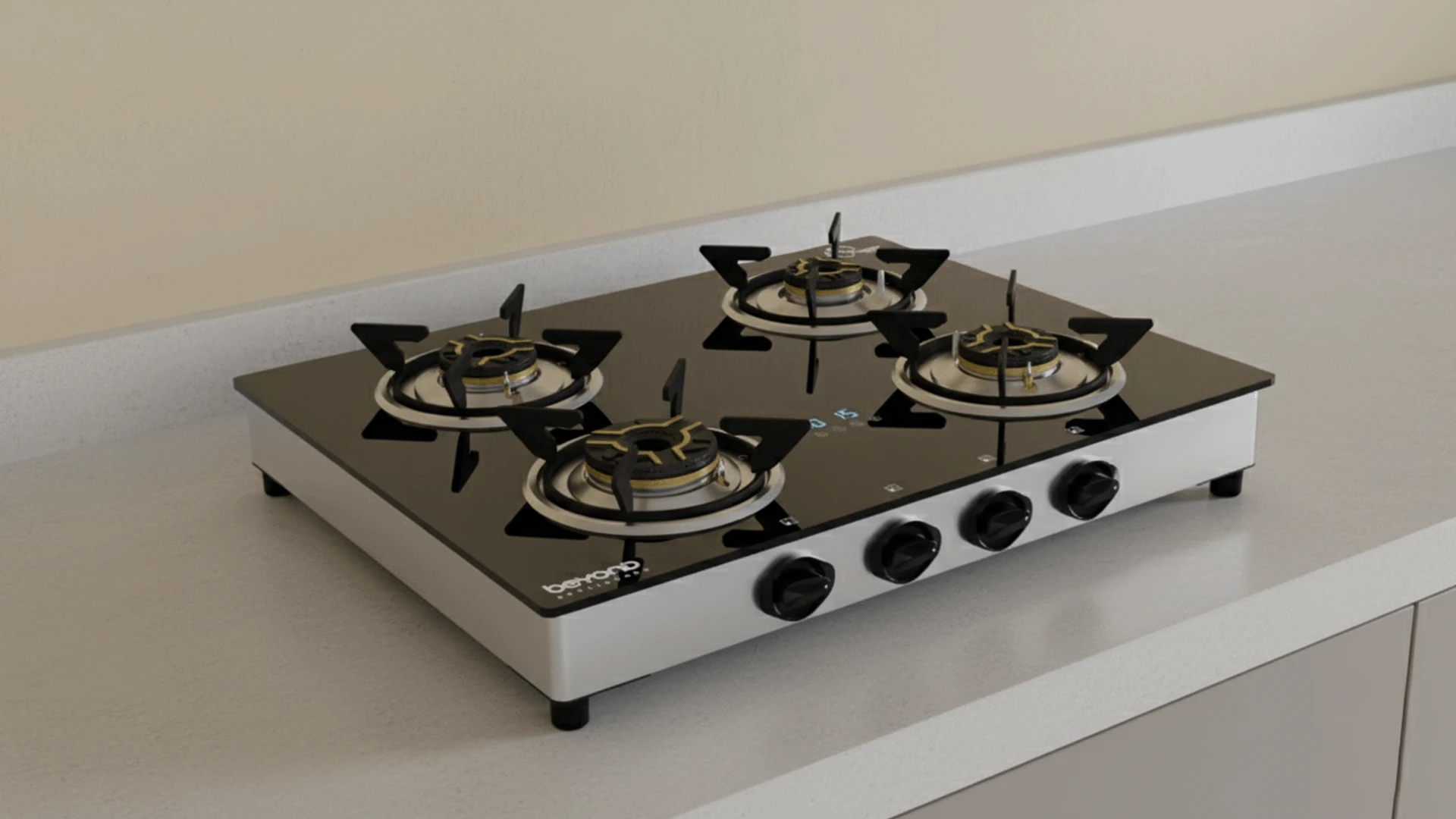
Choosing the right burner for your kitchen can transform your cooking experience. Whether you're upgrading your existing setup or designing a new kitchen, understanding different burner types helps you make an informed decision. The right choice depends on your cooking style, energy preferences, and kitchen layout. Modern burners offer advanced features like smart timers, auto ignition, and energy-efficient designs that make cooking safer and more convenient.
Each burner type offers unique advantages for different cooking needs. Gas, electric, and induction cooktops each have distinct characteristics that affect performance, energy consumption, and cooking results.
Gas stove burners provide immediate heat control with visible flames. You can adjust temperature instantly by turning the knob. Modern gas burners include features like auto ignition - simply press, turn and hold the knobs to light up the burners without manual lighting. Flame failure device acts as a safety sensor that cuts off gas supply if the flame goes out unexpectedly. Full brass burners offer durability and high performance while saving more gas. The jumbo burner accommodates large cookware when cooking for more people, while dum flame settings work perfectly for slow-cooking dishes like biryani.
Electric stove burners provide consistent heating through coil or smooth-top surfaces. They heat evenly across the cooking surface and maintain steady temperatures. Electric burners work well with flat-bottom cookware and offer precise temperature control for delicate cooking tasks. Electric options require less ventilation than gas and eliminate concerns about gas leaks. They're ideal for apartments or homes without gas lines.
Induction cooktop technology uses electromagnetic fields to heat cookware directly. This method transfers heat more efficiently than gas or electric burners. Energy efficient burners like induction models use up to 50% less energy than traditional options. Induction requires magnetic cookware but offers precise temperature control and faster heating times. The cooktop surface stays relatively cool, making it safer for families with children.
Modern cooktops include advanced features that enhance safety, convenience, and cooking performance. Understanding these features helps you choose the best option for your needs.
Smart timer functionality allows you to set cooking time - the hobtop automatically turns off gas and flame when the timer expires. This feature prevents overcooking and saves energy. Vessel collision-free design provides spacious layout allowing use of all 4 burners together without cookware clashing. This ample space offers more convenience during busy cooking sessions.
8mm toughened glass surfaces handle high heat effortlessly. These durable, scratch-resistant surfaces provide long-lasting use. Cast iron supports keep cookware steady and prevent wobbling during cooking. 100% spill proof design includes spill trays that prevent spillages from seeping into the hob, making cleanup easier and maintaining hygiene.
Different burner types work best with specific cookware materials and designs. Understanding cookware compatibility ensures optimal cooking results and energy efficiency.
Gas burners work with most cookware materials including stainless steel, aluminum, and cast iron. The open flame design accommodates various pot shapes and sizes. Round-bottom woks and curved cookware work well on gas burners.
Electric burners require flat-bottom cookware for efficient heat transfer. Warped or uneven bottoms reduce heating efficiency and cooking performance. Induction cooktops need magnetic cookware materials like cast iron or magnetic stainless steel. Test existing pots with a magnet - if it sticks strongly, the cookware works with induction.
Choosing energy efficient burners reduces operating costs and environmental impact. Different burner types have varying energy consumption patterns and long-term cost implications.
Gas burners typically cost less to operate in areas with affordable natural gas. Electric burners depend on local electricity rates. Induction cooktops use energy most efficiently but require compatible cookware investment. Consider both initial purchase price and long-term operating costs when making your decision. Factor in installation requirements - gas lines, electrical upgrades, or ventilation needs.
Precise temperature control preserves nutrients and enables healthy cooking methods. Induction and quality gas burners offer excellent temperature precision for techniques like simmering and sautéing. Lower cooking temperatures and shorter cooking times help retain vitamins and minerals in food. Energy-efficient burners also reduce kitchen heat, creating a more comfortable cooking environment.
Kitchen appliance selection should consider your overall kitchen design and workflow. Modern cooktops offer convertible options - they can be inserted as built-in hobs or used as freestanding tabletop units.
Measure your available counter space and consider ventilation requirements. Gas burners need proper ventilation, while electric and induction options have different clearance needs. Many modern designs feature sleek and spacious layouts with premium finishes. Some models include golden color edges for elegant appearance that complements contemporary kitchen designs.
Ensure your chosen burner type matches available utilities. Many gas models offer LPG & PNG compatible options, providing flexibility for different gas supply types. Professional installation ensures safety and optimal performance. Consider warranty coverage and after-sales service availability when making your selection.
Induction cooktops are generally safest as the surface stays cool during cooking. Gas burners with flame failure devices and auto-shutoff features also provide excellent safety. Always supervise children around any cooking appliance.
Consider your cooking style, available utilities, and cookware. Gas offers instant visual control and works with all cookware. Induction provides energy efficiency and precise control but requires magnetic cookware.
Standard 4-burner cooktops work for most families. Consider your cooking frequency, family size, and available counter space. Measure carefully and account for clearance requirements.
Installation costs vary by location and complexity. Gas line installation or electrical upgrades may add to costs. Many retailers offer free delivery and installation with professional service support.
Induction cooktops are most energy efficient, using up to 50% less energy than gas or electric. Gas burners with full brass construction also offer good efficiency and gas savings.
Gas and electric burners work with most cookware. Induction requires magnetic materials - test with a magnet to check compatibility. Flat-bottom pans work best with electric burners.
Choosing burners wisely involves balancing performance, safety, energy efficiency, and your specific cooking needs. Modern features like smart timers, auto ignition, and spill-proof designs enhance convenience and safety. Consider your cookware compatibility, kitchen layout, and long-term operating costs when making your decision. Whether you choose gas, electric, or induction, focus on quality construction, safety features, and energy efficiency for the best cooking experience.
