

How to Calculate Kitchen Chimney Suction Power
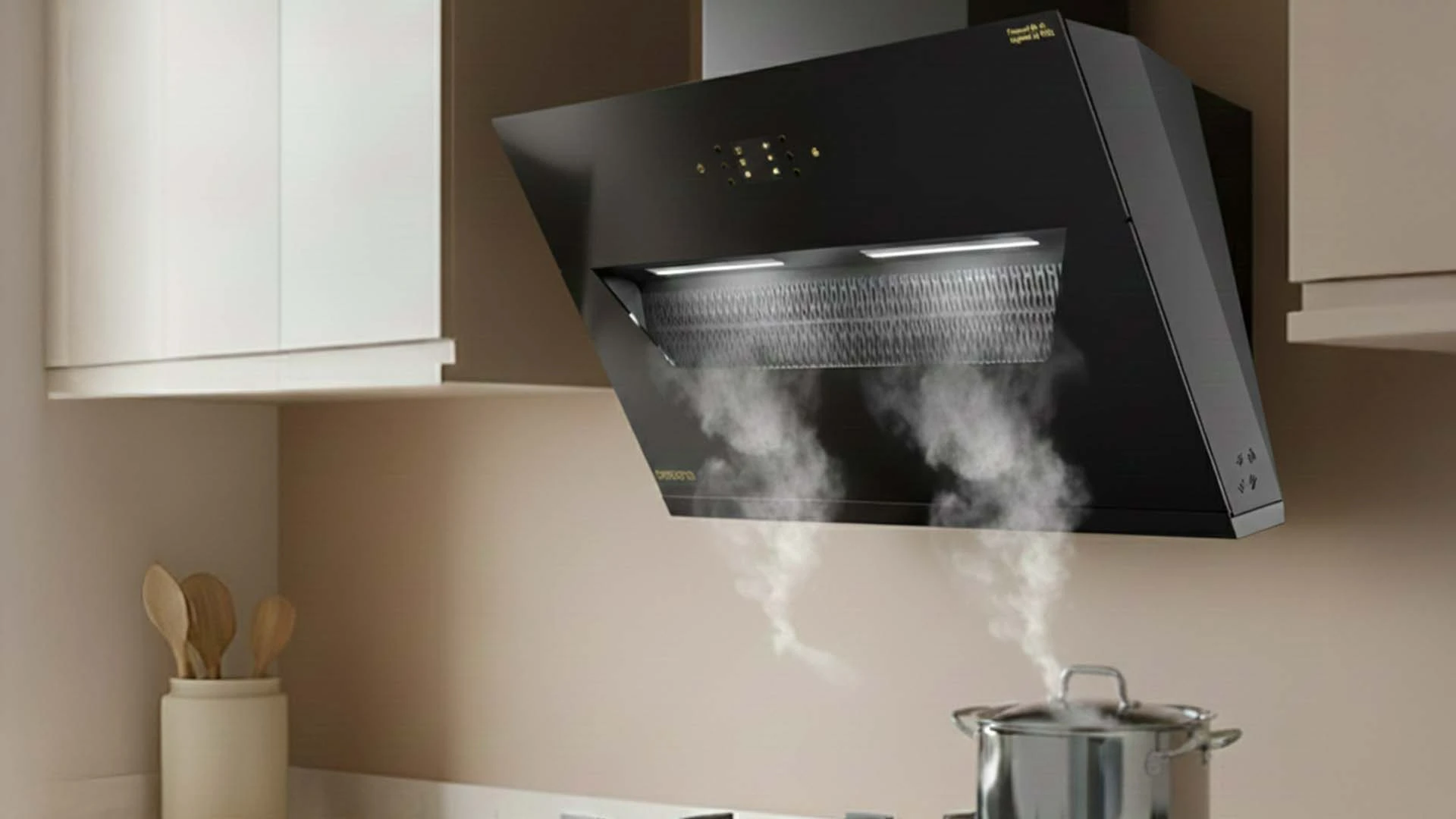
Choosing the right kitchen chimney requires more than just picking the most attractive design. The key lies in understanding kitchen chimney suction calculation to ensure your cooking space maintains clean, healthy air. Proper chimney suction power removes smoke, grease, and odors effectively, creating a comfortable cooking environment. Many homeowners struggle with inadequate ventilation because they underestimate their actual CFM requirements. This comprehensive guide will walk you through the exact calculations needed to determine your ideal chimney airflow capacity, helping you make an informed decision for your kitchen's ventilation needs.
Suction power represents the volume of air your chimney can move per minute, measured in Cubic Feet per Minute (CFM) or Cubic Meters per Hour (CMH). This measurement directly impacts how effectively your chimney removes cooking fumes and maintains healthy kitchen air. A properly sized chimney should complete 10-12 air changes per hour in your kitchen space. The relationship between motor power and actual suction capacity often confuses buyers. Motor power, measured in watts, indicates energy consumption, while CFM for kitchen chimney represents actual air movement. Higher wattage doesn't always guarantee better suction performance. Factors like fan blade design, motor efficiency, and ductwork configuration significantly influence real-world performance.
CFM stands for Cubic Feet per Minute, the standard measurement for airflow in kitchen ventilation systems. CMH (Cubic Meters per Hour) is another common unit, where 1 CMH equals approximately 0.588 CFM. Suction capacity calculator tools often use these interchangeably, so understanding both helps when comparing different models.
Many believe bigger kitchens always need more powerful chimneys, but cooking intensity matters more than room size. A small kitchen with heavy frying requires more chimney suction power than a large kitchen used for light cooking. Similarly, open kitchen designs need different calculations than closed layouts due to air circulation patterns.
The primary kitchen chimney suction calculation formula multiplies your kitchen volume by the required air changes per hour. Calculate kitchen volume by multiplying length × width × height in feet, then multiply by 10-12 for the CFM requirement. For example, a 10×12×9 feet kitchen equals 1,080 cubic feet, requiring 10,800-12,960 CFM capacity. An alternative method considers cooktop size and cooking intensity. Multiply your cooktop area in square feet by 100-150 CFM per square foot, depending on your cooking habits. Heavy Indian cooking with frequent frying and spice usage requires the higher multiplier, while light cooking needs less capacity.
Start by measuring your kitchen dimensions accurately, including ceiling height. Multiply length × width × height to get cubic footage. For a 200 square foot kitchen with 9-foot ceilings, the volume equals 1,800 cubic feet. Multiply by 10-12 air changes per hour to get 18,000-21,600 CFH, or 300-360 CFM requirement.
Open kitchens connected to living areas need 25-30% additional capacity due to larger air volumes. Island installations require 50% more power because cross-drafts reduce efficiency. Kitchens with high ceilings above 10 feet need proportional increases in the calculation.
Kitchen dimensions form the foundation of your kitchen chimney size guide calculations, but several other factors significantly impact requirements. Ceiling height affects air volume calculations, while kitchen layout influences air circulation patterns. Cooking frequency and intensity determine how often your chimney operates at full capacity. Cooktop type influences ventilation needs differently. Gas cooktops produce more heat and combustion byproducts, requiring higher CFM ratings than electric or induction models. The number of burners and their BTU output also affects calculation requirements. A four-burner gas cooktop typically needs more ventilation than a two-burner electric model.
Daily cooking with oil-heavy Indian cuisine demands higher exhaust fan capacity than occasional light cooking. Frequent frying, grilling, or high-heat cooking generates more smoke and grease, requiring additional ventilation power. Consider your typical cooking methods when calculating requirements.
Duct length and configuration significantly impact performance. Each 10 feet of ductwork reduces efficiency by approximately 25 CFM. Every 90-degree bend adds similar resistance. Installations requiring long duct runs or multiple bends need higher-rated chimneys to compensate for these losses.
Different kitchen chimney types offer varying suction capabilities and installation requirements. Wall-mounted chimneys typically range from 400-1200 CFM, suitable for most standard kitchen applications. These models work efficiently in kitchens up to 200 square feet with moderate cooking intensity. Island chimneys require higher power ratings due to their exposed position and cross-draft challenges. These units typically start at 600 CFM and can exceed 1500 CFM for large installations. The Android Chimney Asteria offers 1408 CMH suction power, effectively handling heavy Indian cooking with its filterless design and advanced features.
Built-in chimneys balance space constraints with performance requirements. These compact units typically offer 300-800 CFM capacity, suitable for smaller kitchens or light cooking applications. Their integrated design requires careful calculation to ensure adequate performance within size limitations.
Ducted systems provide superior performance by exhausting air outside, while ductless models recirculate filtered air. Ductless systems typically need 20-30% higher CFM ratings to achieve similar air quality results. Consider installation constraints when choosing between these options.
Actual kitchen airflow performance often differs from manufacturer specifications due to installation variables and usage conditions. Simple testing methods help verify your chimney's effectiveness. The smoke test involves lighting incense near your cooktop and observing how quickly the chimney captures and removes the smoke. Proper ductwork design maximizes chimney airflow efficiency. Minimize duct length and bends where possible. Use smooth, rigid ducts instead of flexible alternatives. Ensure adequate duct diameter - typically 6-8 inches for residential applications. Undersized ducts create backpressure that reduces performance significantly.
Regular performance monitoring helps maintain optimal operation. Check suction strength monthly by holding tissue paper near the intake. Strong suction should hold the paper firmly against the filter area. Reduced suction indicates maintenance needs or potential blockages.
Mount your chimney 24-30 inches above the cooktop for optimal capture efficiency. Higher installations reduce effectiveness, while lower positions may interfere with cooking. Ensure level installation and secure mounting to prevent vibration and noise issues.
Effective kitchen ventilation balances multiple factors beyond raw suction power. Noise levels increase with higher CFM ratings, so consider your comfort preferences. Most quality chimneys operate below 65 decibels at maximum speed, comparable to normal conversation levels. Energy efficiency becomes important with frequent use. Look for models with variable speed controls and automatic shut-off features. The Android Chimney Asteria includes auto turn-off functionality, allowing you to set operation duration for optimal energy usage. LED lighting provides adequate task lighting while consuming minimal energy.
Regular maintenance preserves suction capacity and extends equipment life. Clean or replace filters monthly with heavy use. The filterless design of advanced models like the Android Chimney Asteria uses dry heat auto-clean technology, melting accumulated oil and particles for easy removal.
Modern chimneys integrate with smart home systems for enhanced convenience. Touch panel controls and infotainment screens add functionality beyond basic ventilation. Consider these features when calculating long-term value and user satisfaction.
For a 200 square foot kitchen with standard 9-foot ceilings, calculate 1,800 cubic feet × 10-12 air changes per hour, requiring 300-360 CFM. Adjust upward for heavy cooking or open layouts.
Island installations need 50% additional CFM due to cross-drafts and exposed positioning. A standard calculation of 400 CFM becomes 600 CFM for island mounting.
Yes, add 25 CFM for every 10 feet of ductwork and each 90-degree bend. Long duct runs significantly impact performance and require higher-rated chimneys.
Motor power (watts) indicates energy consumption, while suction power (CFM/CMH) measures actual airflow. Higher wattage doesn't guarantee better suction performance.
Recalculate when changing cooktops, renovating your kitchen, or experiencing performance issues. Major cooking habit changes also warrant reassessment.
Accurate kitchen chimney suction calculation ensures optimal ventilation performance and cooking comfort. Use the room volume formula as your starting point, then adjust for cooking intensity, layout factors, and installation constraints. Remember that proper sizing balances performance, energy efficiency, and noise levels. Consider advanced features like the Android Chimney Asteria's smart capabilities and filterless design when evaluating options. Regular maintenance and proper installation maximize your investment's long-term performance and reliability.
