

How to Boost Indoor Air Quality with Ventilation
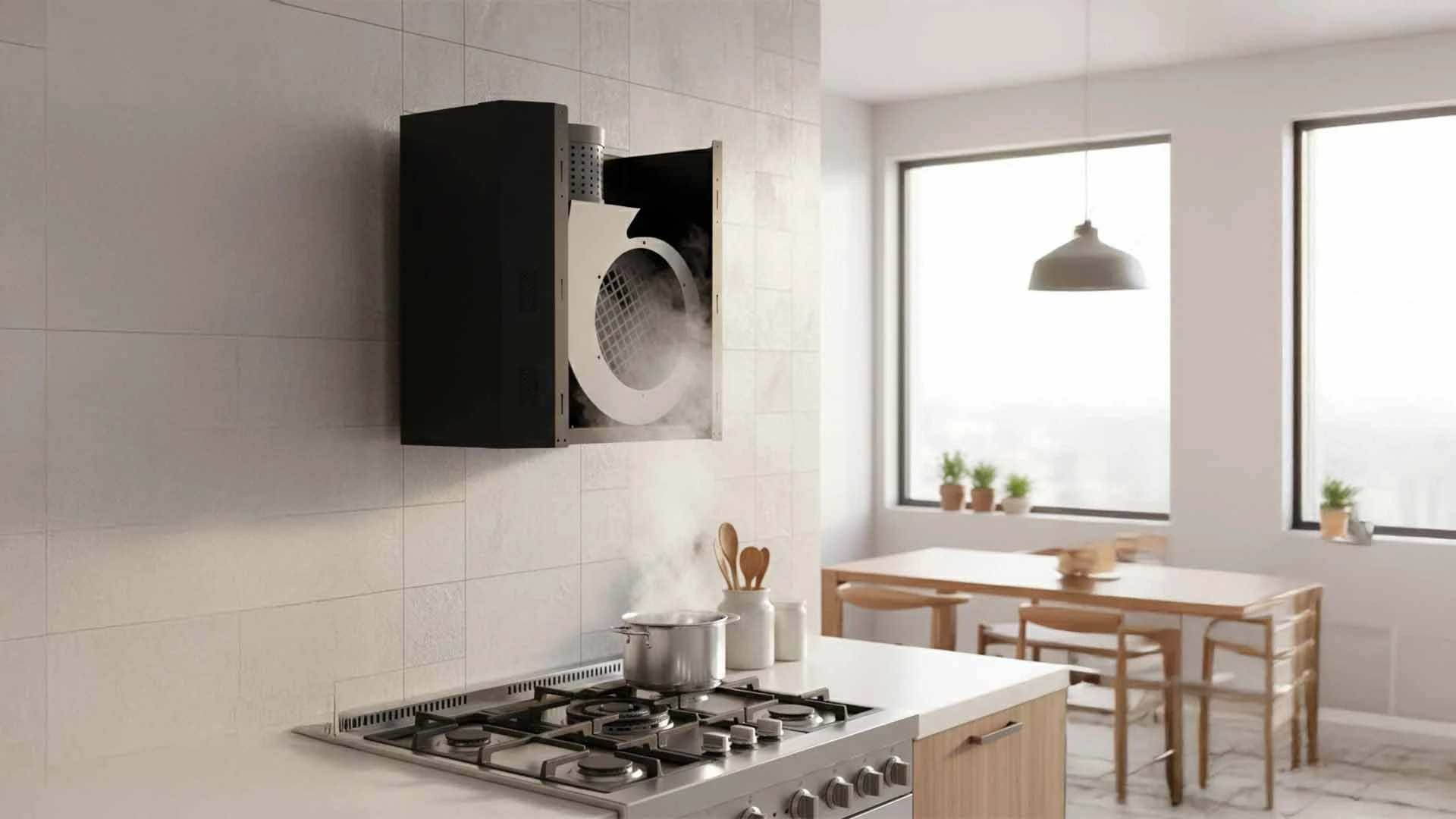
Poor indoor air quality affects millions of homes, leading to health issues, unpleasant odors, and structural damage. Many homeowners don't realize that simple ventilation improvements can transform their living environment. Good ventilation systems remove stale air, reduce pollutants, and bring fresh air into your home. The benefits of good ventilation extend far beyond comfort – they protect your family's health and preserve your property. Understanding how proper air circulation works helps you create a healthier, more comfortable living space for everyone.
Proper ventilation forms the foundation of a healthy home environment. Ventilation systems work by creating controlled air exchange between indoor and outdoor spaces. This process removes contaminated air while bringing in fresh, clean air from outside. The benefits of good ventilation include five key areas that impact your daily life. First, improved indoor air quality reduces exposure to harmful pollutants and allergens. Second, effective moisture control prevents mold growth and structural damage. Third, temperature regulation creates comfortable living conditions year-round. Fourth, odor elimination keeps your home fresh and pleasant. Finally, enhanced health outcomes protect your family's wellbeing. Air circulation systems range from simple exhaust fans to sophisticated whole-house ventilation units. Natural ventilation uses windows, vents, and strategic openings to move air. Mechanical systems use fans and ducts to control airflow precisely. The right combination depends on your home's layout, climate, and specific needs.
Effective ventilation removes various contaminants from your indoor environment. Volatile organic compounds (VOCs) from furniture, cleaning products, and building materials get diluted and removed. Particulate matter from cooking, dust, and outdoor sources gets filtered out through proper air exchange.
Fresh air contains optimal oxygen levels that support cognitive function and physical health. Stagnant indoor air often has elevated carbon dioxide levels that cause drowsiness and reduced mental clarity. Proper ventilation maintains healthy oxygen-to-carbon dioxide ratios throughout your home.
The health benefits of ventilation directly impact your family's wellbeing and quality of life. Poor indoor air quality contributes to respiratory problems, allergies, and other health issues. Proper home ventilation addresses these concerns by maintaining clean, fresh air throughout your living spaces. Reduced exposure to indoor pollutants significantly improves respiratory health. Common indoor contaminants include dust mites, pet dander, pollen, and chemical vapors. These pollutants accumulate in poorly ventilated spaces, triggering asthma attacks and allergic reactions. Good ventilation dilutes these contaminants and removes them from your breathing space. Improved cognitive function results from adequate oxygen levels in your home. Studies show that proper ventilation enhances concentration, memory, and decision-making abilities. Children especially benefit from clean air environments that support learning and development.
Clean air reduces the burden on your respiratory system. People with asthma, allergies, or other breathing conditions experience fewer symptoms in well-ventilated homes. Fresh air helps clear airways and reduces inflammation in sensitive individuals.
Proper air circulation helps prevent the spread of viruses and bacteria between family members. Stagnant air allows pathogens to concentrate and remain airborne longer. Good ventilation dilutes and removes these contaminants, reducing transmission risks.
Effective home ventilation prevents moisture-related problems that damage your property and create unhealthy conditions. Excess humidity leads to condensation, mold growth, and structural deterioration. Proper air circulation maintains optimal humidity levels and protects your investment. Condensation forms when warm, humid air contacts cool surfaces like windows, walls, and pipes. This moisture creates ideal conditions for mold and mildew growth. Ventilation systems remove humid air before condensation occurs, preventing these problems. Mold and mildew pose serious health risks and cause expensive property damage. These organisms thrive in damp, poorly ventilated areas like basements, bathrooms, and attics. Good ventilation keeps these spaces dry and prevents fungal growth.
Healthy indoor humidity ranges from 30% to 50% year-round. Levels below 30% cause dry skin, respiratory irritation, and static electricity. Humidity above 50% promotes mold growth and dust mite proliferation. Proper ventilation helps maintain this ideal range.
Excess moisture damages wood, drywall, insulation, and other building materials. Warped floors, peeling paint, and rotting structural elements result from poor moisture control. Ventilation systems protect these materials by maintaining appropriate humidity levels.
Kitchen ventilation plays a crucial role in maintaining indoor air quality throughout your home. Cooking activities generate heat, moisture, odors, and airborne particles that affect air quality. Proper ventilation systems remove these contaminants at their source, preventing them from spreading to other areas. Cooking produces various pollutants including grease particles, smoke, steam, and combustion byproducts. Gas stoves release nitrogen dioxide and carbon monoxide that require immediate removal. Electric cooking also generates particles and odors that need ventilation. Range hoods and exhaust fans provide targeted removal of cooking-related contaminants. These systems capture pollutants before they disperse throughout your home. Modern kitchen ventilation options include ducted systems that vent outdoors and ductless models that filter and recirculate air.
Effective kitchen ventilation removes cooking odors and prevents grease accumulation on surfaces. Grease particles settle on cabinets, walls, and appliances without proper ventilation. This buildup creates cleaning challenges and can affect indoor air quality over time.
Cooking generates significant heat and steam that can overwhelm your home's climate control system. Kitchen ventilation removes this excess heat and moisture, maintaining comfortable conditions and reducing energy costs.
Proper air circulation improves energy efficiency while maintaining comfort throughout your home. Strategic ventilation reduces the workload on heating and cooling systems, lowering energy costs and extending equipment life. The benefits of good ventilation include significant savings on utility bills. Natural ventilation techniques use outdoor air movement to cool your home without mechanical systems. Cross-ventilation creates airflow patterns that remove hot air and bring in cooler outdoor air. This approach works especially well during mild weather conditions. Mechanical ventilation systems can be designed for energy efficiency through heat recovery and smart controls. Heat recovery ventilators capture energy from outgoing air to pre-condition incoming fresh air. This technology maintains air quality while minimizing energy loss.
Good ventilation reduces the burden on your heating and cooling systems. Proper air circulation eliminates hot and cold spots, allowing your HVAC system to maintain consistent temperatures more efficiently. This balanced approach extends equipment life and reduces maintenance needs.
Different seasons require different ventilation approaches for optimal efficiency. Summer ventilation focuses on removing hot air and bringing in cooler outdoor air during appropriate times. Winter ventilation maintains air quality while conserving heated air through controlled air exchange.
Building a healthy home environment requires understanding your specific ventilation needs and choosing appropriate systems. Every home has unique characteristics that affect air quality and circulation patterns. The right approach combines natural and mechanical ventilation methods for optimal results. Natural ventilation options include strategically placed windows, vents, and openings that use wind and temperature differences to move air. This approach works well in moderate climates and can significantly reduce energy costs. However, natural ventilation alone may not provide adequate air quality control in all situations. Mechanical ventilation systems offer precise control over air quality and circulation. Exhaust fans, supply fans, and balanced systems can be designed to meet specific needs. Smart controls allow these systems to respond automatically to air quality conditions, occupancy, and weather.
Selecting appropriate ventilation equipment depends on your home's size, layout, climate, and air quality goals. Professional assessment helps identify the most effective and efficient solutions for your specific situation.
Modern ventilation systems can integrate with existing HVAC equipment and smart home technologies. This integration provides comprehensive climate and air quality control while maximizing energy efficiency.
The primary benefits of good ventilation include improved indoor air quality, moisture control, temperature regulation, odor elimination, and enhanced health outcomes. These benefits work together to create a more comfortable and healthier living environment.
Ventilation improves indoor air quality by removing pollutants, allergens, and stale air while bringing in fresh outdoor air. This process dilutes contaminants and maintains healthy oxygen levels throughout your home.
Kitchen ventilation options include range hoods, exhaust fans, and downdraft systems. Ducted systems that vent outdoors provide the most effective removal of cooking pollutants, while ductless systems offer flexibility in installation.
Signs of poor ventilation include persistent odors, condensation on windows, mold growth, stuffy air, and frequent respiratory symptoms. High humidity levels and temperature variations also indicate ventilation problems.
Natural ventilation uses wind and temperature differences to move air through openings like windows and vents. Mechanical ventilation uses fans and ducts to control airflow precisely, providing consistent air quality regardless of weather conditions.
The benefits of good ventilation extend far beyond basic comfort, encompassing health protection, property preservation, and energy efficiency. Proper home ventilation removes harmful pollutants, controls moisture, regulates temperature, and eliminates odors. These improvements create a healthy home environment that supports your family's wellbeing and protects your investment. Whether through natural airflow, mechanical systems, or targeted kitchen ventilation, the right approach to air circulation transforms your living space into a cleaner, more comfortable home.
