

How Smoke Removal Works: A Complete Tutorial
Smoke in your home can be more than just an unpleasant smell. It affects your health, damages your belongings, and creates an uncomfortable living environment. Whether it's from cooking, cigarettes, or fire damage, understanding how smoke removal works helps you tackle the problem effectively. Modern homes need proper air purification systems and ventilation to maintain clean air. This guide breaks down the science behind smoke elimination and shows you proven methods to restore fresh, healthy indoor air quality.
Smoke consists of tiny particles measuring just 0.1 to 0.3 microns in size. These microscopic particles easily penetrate fabrics, walls, and even your HVAC system. The smaller the particle, the deeper it can travel into materials and the harder it becomes to remove. Smoke contains hundreds of chemical compounds that create persistent odors. These compounds include tar, nicotine, formaldehyde, and various hydrocarbons. When smoke settles on surfaces, these chemicals bond with materials at a molecular level. This explains why simply masking the smell with air fresheners never works long-term.
Smoke particles follow air currents throughout your house. They settle on walls, furniture, carpets, and inside air ducts. Porous materials like fabric and wood absorb these particles deeply. Even after the visible smoke clears, invisible particles continue circulating through your ventilation systems, spreading the contamination to clean areas.
Regular cleaning products only address surface-level contamination. Smoke particles embed themselves in microscopic pores and fibers where soap and water cannot reach. This is why professional smoke removal often requires specialized equipment and techniques to achieve complete odor removal.
Effective smoke elimination requires understanding which method works best for your specific situation. Professional services use advanced technology, while DIY methods can handle minor smoke issues. The key is knowing when each approach is appropriate. Professional smoke removal services employ industrial-grade equipment designed to neutralize smoke at the molecular level. These methods cost more but deliver faster, more complete results. DIY approaches work well for light smoke exposure but may not eliminate heavy contamination.
Thermal fogging creates a fine mist of deodorizing solution that penetrates the same areas where smoke particles settled. The fog particles are similar in size to smoke particles, allowing them to reach contaminated spaces that cleaning cannot access. Ozone generators produce ozone gas that chemically neutralizes odor-causing compounds. This process breaks down smoke molecules at the source rather than just covering them up. However, ozone treatment requires evacuating the area during treatment. Air scrubbers use powerful fans and multi-stage filtration to capture airborne particles. These machines can process thousands of cubic feet of air per minute, removing both visible and invisible smoke contamination.
Activated charcoal absorbs odor molecules naturally. Place bowls of activated charcoal around affected rooms and replace them every few days. This method works slowly but effectively for mild smoke odors. White vinegar neutralizes alkaline smoke residues. Mix equal parts water and white vinegar in spray bottles. Wipe down all hard surfaces and leave bowls of vinegar solution in rooms overnight. Baking soda absorbs odors from carpets and upholstery. Sprinkle baking soda generously over affected areas, let it sit for several hours, then vacuum thoroughly. Repeat this process multiple times for best results.
Modern air purification technology plays a crucial role in maintaining clean air and preventing smoke accumulation. Proper ventilation systems remove contaminated air before particles can settle on surfaces. Kitchen ventilation is especially important since cooking generates significant amounts of smoke and airborne particles. HEPA filters capture particles as small as 0.3 microns with 99.97% efficiency. This makes them highly effective against smoke particles. However, HEPA filters alone cannot eliminate odors from gases and chemical compounds in smoke.
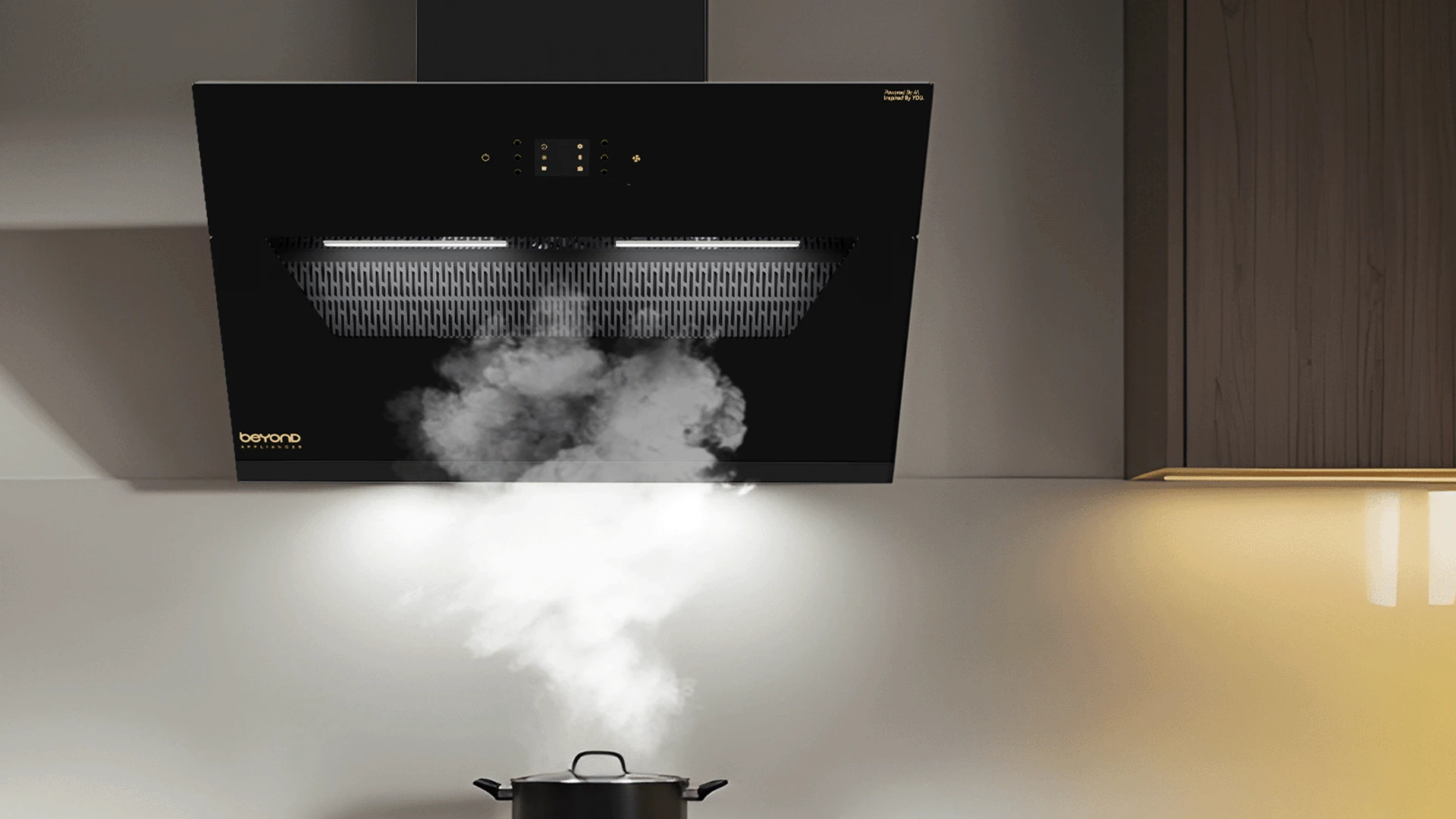
Range hoods and kitchen chimneys provide the first line of defense against cooking smoke. These systems capture smoke and grease particles at the source before they spread throughout your home. Proper installation ensures maximum effectiveness. Ductless chimneys use advanced filtration to clean air before recirculating it back into the kitchen. These systems work well in homes where external ducting is not possible. Regular filter replacement maintains optimal performance.
Central air purification systems integrate with your existing HVAC system to clean air throughout your entire home. These systems use multiple filtration stages including pre-filters, HEPA filters, and activated carbon filters. Portable air purifiers work well for targeted smoke removal in specific rooms. Look for units with both HEPA filtration and activated carbon filters for comprehensive smoke elimination.
Different types of smoke damage require specific approaches for effective removal. Fire damage creates the most severe contamination, while cigarette smoke builds up gradually over time. Kitchen smoke from cooking is usually the easiest to address with proper ventilation. The key to successful smoke removal is addressing both visible particles and invisible odor-causing compounds. This requires a systematic approach that targets all affected areas and materials.
Start with safety assessment and proper protective equipment. Remove all damaged items that cannot be cleaned. Clean all hard surfaces with mild detergent solutions, working from top to bottom. Wash or professionally clean all salvageable fabrics and clothing. Replace HVAC filters and clean air ducts to prevent recontamination. Use ozone treatment or thermal fogging for final odor elimination.
Begin with thorough cleaning of all surfaces using TSP (tri-sodium phosphate) solution. This removes nicotine residue that causes yellow staining and persistent odors. Pay special attention to walls, ceilings, and light fixtures. Clean or replace all fabric items including curtains, upholstery, and carpeting. Cigarette smoke penetrates deeply into these materials. Professional cleaning may be necessary for valuable items.
Install proper ventilation before smoke becomes a problem. Range hoods should move at least 100 cubic feet per minute for every linear foot of cooking surface. Clean grease filters regularly to maintain effectiveness. For existing kitchen smoke issues, clean all surfaces with degreasing solutions. Replace range hood filters and clean exhaust ducts. Consider upgrading to a more powerful ventilation system if problems persist.
Professionals use thermal fogging, ozone generators, and industrial air scrubbers to neutralize smoke odors at the molecular level. They also clean all surfaces with specialized solutions and replace contaminated materials that cannot be cleaned.
Yes, when properly selected and used. HEPA air purifiers remove smoke particles, while activated carbon filters eliminate odors. Professional-grade equipment works faster and more completely than consumer devices.
Hard surfaces respond to TSP cleaning solutions. Fabrics may need professional cleaning or replacement. Walls often require primer and repainting after cleaning. HVAC systems need duct cleaning and filter replacement.
Light smoke odors may clear in 24-48 hours with proper ventilation and air purification. Heavy contamination from fires can take weeks of professional treatment. Cigarette smoke removal typically requires 3-7 days of intensive cleaning.
HEPA air purifiers remove 99.97% of particles 0.3 microns and larger. Combined with activated carbon filters, they effectively address both particles and odors. However, particles embedded in materials require physical cleaning.
Effective smoke removal requires understanding the science behind smoke contamination and choosing appropriate removal methods. Professional services offer the fastest, most complete results for severe contamination. DIY methods work well for minor issues when combined with proper air purification and ventilation systems. Prevention through good kitchen ventilation and air quality management remains the best approach for maintaining clean, healthy indoor air. Regular maintenance of your ventilation systems and air purifiers ensures long-term protection against smoke-related air quality issues.
