

How Kitchen Fumes Affect Health: Improve Your Air Quality
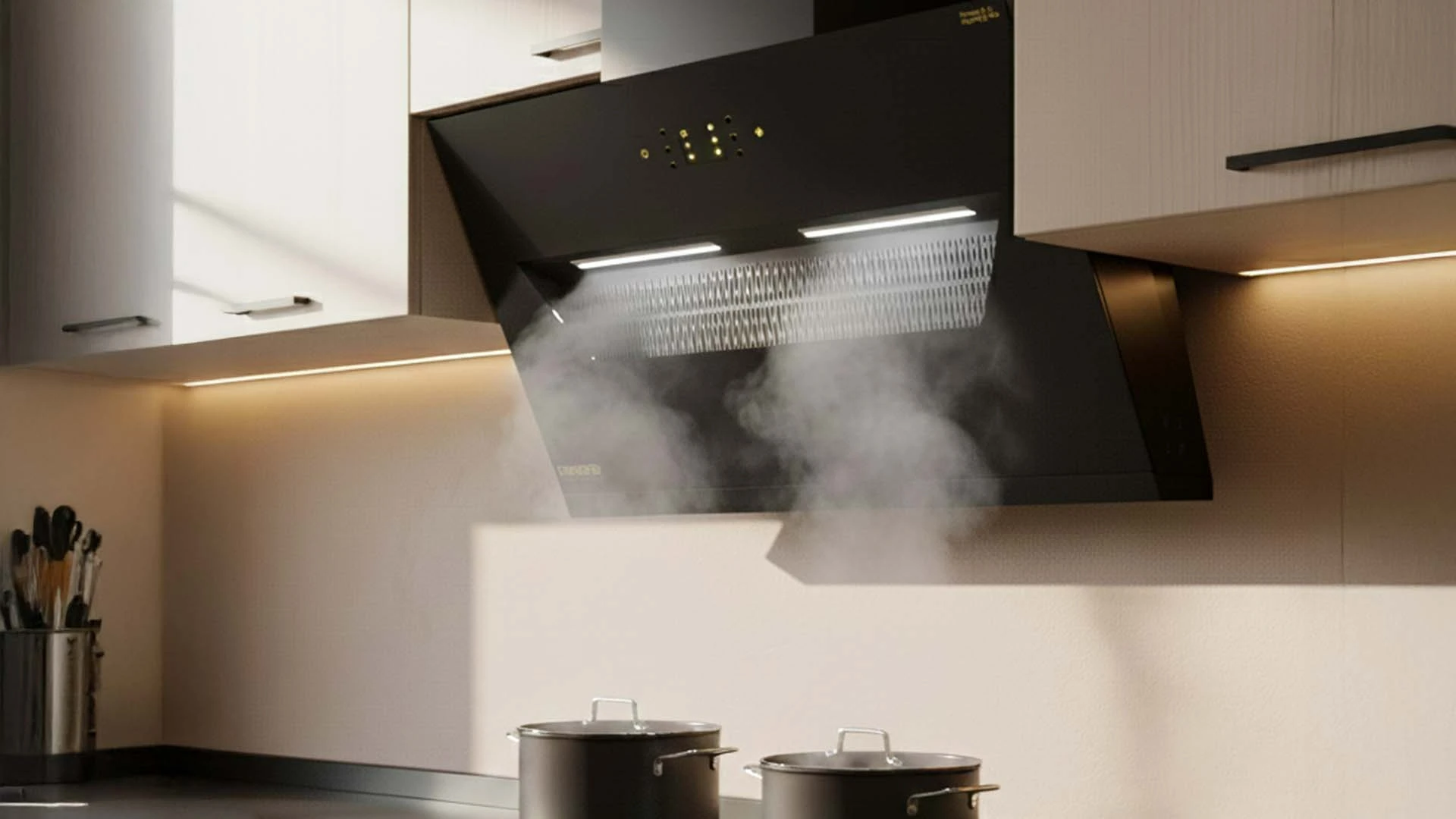
Every time you cook, invisible pollutants fill your kitchen air. These cooking fumes contain harmful particles that can damage your health over time. Most people don't realize how kitchen air quality affects their daily well-being. Understanding how kitchen fumes affect health is the first step toward creating a safer cooking environment for your family.
Kitchen air pollution happens every time you turn on your stove or heat oil in a pan. Unlike outdoor pollution that gets diluted by wind and space, indoor air pollution kitchen stays trapped inside your home. This creates a concentrated mix of harmful substances that you breathe in while cooking and eating.
Kitchen fumes contain several dangerous pollutants that form during cooking. The main culprits include fine particles called PM2.5, nitrogen dioxide from gas stoves, carbon monoxide, and volatile organic compounds from heated oils.
Common sources of these pollutants include:
Gas stoves burning natural gas or LPG
High-heat cooking methods like frying and grilling
Oil heating and breakdown during cooking
Burnt food particles and smoke
Steam and moisture carrying dissolved chemicals
Indoor kitchen pollution can be 2-5 times more concentrated than outdoor air pollution. Your kitchen acts like a container that traps these harmful particles. Without proper kitchen ventilation, these pollutants build up to dangerous levels that exceed outdoor air quality standards.
The effects of cooking fumes on your health start immediately and can cause long-term damage. Your respiratory system bears the biggest impact, but other body systems also suffer from prolonged exposure to kitchen air pollution.
Short-term exposure to cooking fumes causes symptoms you might experience right away. These warning signs tell you that your kitchen air quality needs immediate attention.
Common immediate symptoms include:
Coughing and throat irritation during or after cooking
Burning eyes and runny nose
Headaches and feeling tired after cooking
Difficulty breathing, especially for people with asthma
Chest tightness or wheezing
Regular exposure to cooking fumes health risks leads to serious health problems over time. Research shows that people who cook frequently without proper ventilation face higher rates of respiratory diseases and heart problems.
Long-term health risks include:
Chronic bronchitis and reduced lung function
Increased risk of heart disease and stroke
Higher chance of developing lung cancer
Accelerated aging of respiratory tissues
Certain groups face greater dangers of kitchen fumes due to their age, health status, or exposure levels. Women who cook daily show higher rates of respiratory problems compared to those with less kitchen exposure.
High-risk groups include:
Children whose lungs are still developing
Elderly people with weakened immune systems
Pregnant women and their unborn babies
People with existing respiratory conditions like asthma
Proper kitchen ventilation removes harmful pollutants before they can damage your health. Understanding how air moves in your kitchen helps you make better choices about ventilation systems and cooking practices.
Without adequate air exchange, pollutants accumulate to dangerous levels in your kitchen. Gas stoves produce nitrogen dioxide levels that can exceed outdoor air quality standards by 200-400%. This concentration builds up quickly in poorly ventilated spaces.
Your kitchen gives you clear signals when air quality becomes dangerous. Learning to recognize these signs helps you take action before health problems develop.
Look for these warning signs:
Lingering cooking odors that don't clear quickly
Grease buildup on walls and surfaces
Condensation on windows during cooking
Family members coughing or sneezing while in the kitchen
Smoke alarms going off during normal cooking
Different cooking techniques produce varying amounts of harmful fumes. Understanding which methods create the most pollution helps you make healthier choices in your daily cooking routine.
Some cooking methods generate significantly more pollutants than others. Deep frying creates the most harmful particles, followed by high-heat searing and grilling indoors.
Cooking methods that create the most pollution:
Deep frying in oil at high temperatures
Searing meat or vegetables at maximum heat
Indoor grilling or barbecuing
Burning or charring food accidentally
Using damaged or scratched non-stick cookware
Low-temperature cooking methods produce fewer harmful fumes while still creating delicious meals. Steaming, poaching, and slow cooking generate minimal air pollution compared to high-heat techniques.
Creating a healthy kitchen living environment requires both immediate actions and long-term improvements. The right combination of ventilation, cooking techniques, and maintenance keeps your family safe from harmful fumes.
A quality cooking exhaust system removes pollutants at their source before they spread throughout your kitchen. Modern chimneys and exhaust fans provide powerful suction that captures fumes immediately.
Key ventilation improvements include:
Installing a properly sized range hood or chimney
Ensuring adequate CFM (cubic feet per minute) for your kitchen size
Using ducted systems that vent outside rather than recirculating
Adding exhaust fans near cooking areas
Opening windows for cross-ventilation during cooking
You can improve your kitchen air quality today with simple changes to your cooking routine. These actions reduce exposure to harmful fumes without requiring major renovations or equipment purchases.
Quick improvements you can make:
Turn on exhaust fans before you start cooking
Keep windows open during and after cooking
Use lids on pots to reduce steam and fumes
Cook at lower temperatures when possible
Clean your range hood filters regularly
Investing in quality ventilation equipment and kitchen design creates lasting protection for your family's health. Modern induction cooktops produce fewer fumes than gas stoves, while smart ventilation systems automatically adjust to cooking conditions.
Special precautions help protect family members who face higher risks from cooking fumes. Children and elderly relatives need extra protection due to their developing or weakened respiratory systems.
People with respiratory problems cooking should avoid the kitchen during high-pollution cooking activities. Creating safe spaces and using air purifiers in other rooms provides refuge from kitchen fumes.
Protection strategies include:
Keeping children out of the kitchen during frying or high-heat cooking
Using air purifiers in bedrooms and living areas
Scheduling cooking when vulnerable family members are outdoors
Teaching family members to recognize symptoms of poor air quality
Yes, cooking fumes contain particles and chemicals that can harm even healthy adults over time. Regular exposure without proper ventilation increases risks of respiratory and heart problems. The key is reducing exposure through better ventilation and safer cooking practices.
Immediate effects like eye irritation and coughing can happen within minutes of exposure. Long-term health problems develop over months or years of regular exposure to poor kitchen air quality. Children and people with respiratory conditions may experience symptoms more quickly.
Opening windows helps but cannot replace a proper exhaust system. Windows provide general ventilation, while exhaust fans capture pollutants at their source before they spread. The best approach combines both methods for maximum protection.
Deep frying and high-heat cooking produce the most dangerous fumes. Oil breakdown at high temperatures creates particularly harmful particles. Gas stoves also produce nitrogen dioxide even during normal cooking, making proper ventilation essential.
Good ventilation quickly removes cooking odors and visible steam. If smells linger after cooking or you notice grease buildup on surfaces, your ventilation needs improvement. Professional air quality testing can provide exact measurements of pollutant levels.
Electric and induction stoves produce fewer direct emissions than gas stoves. Gas stoves release nitrogen dioxide and carbon monoxide even when working properly. However, all cooking methods benefit from proper ventilation to remove particles from heated oils and food.
Understanding how kitchen fumes affect health empowers you to protect your family from invisible dangers. Poor kitchen air quality causes immediate symptoms like coughing and headaches, while long-term exposure leads to serious respiratory and heart problems. The solution lies in combining proper ventilation with safer cooking practices.
Investing in quality exhaust systems and maintaining good ventilation habits creates a healthier cooking environment. Simple changes like using exhaust fans, opening windows, and avoiding high-heat cooking when possible make a significant difference. Remember that protecting your family's health starts with the air you breathe in your own kitchen.
