

How Kitchen Chimneys Protect Your Walls from Grease
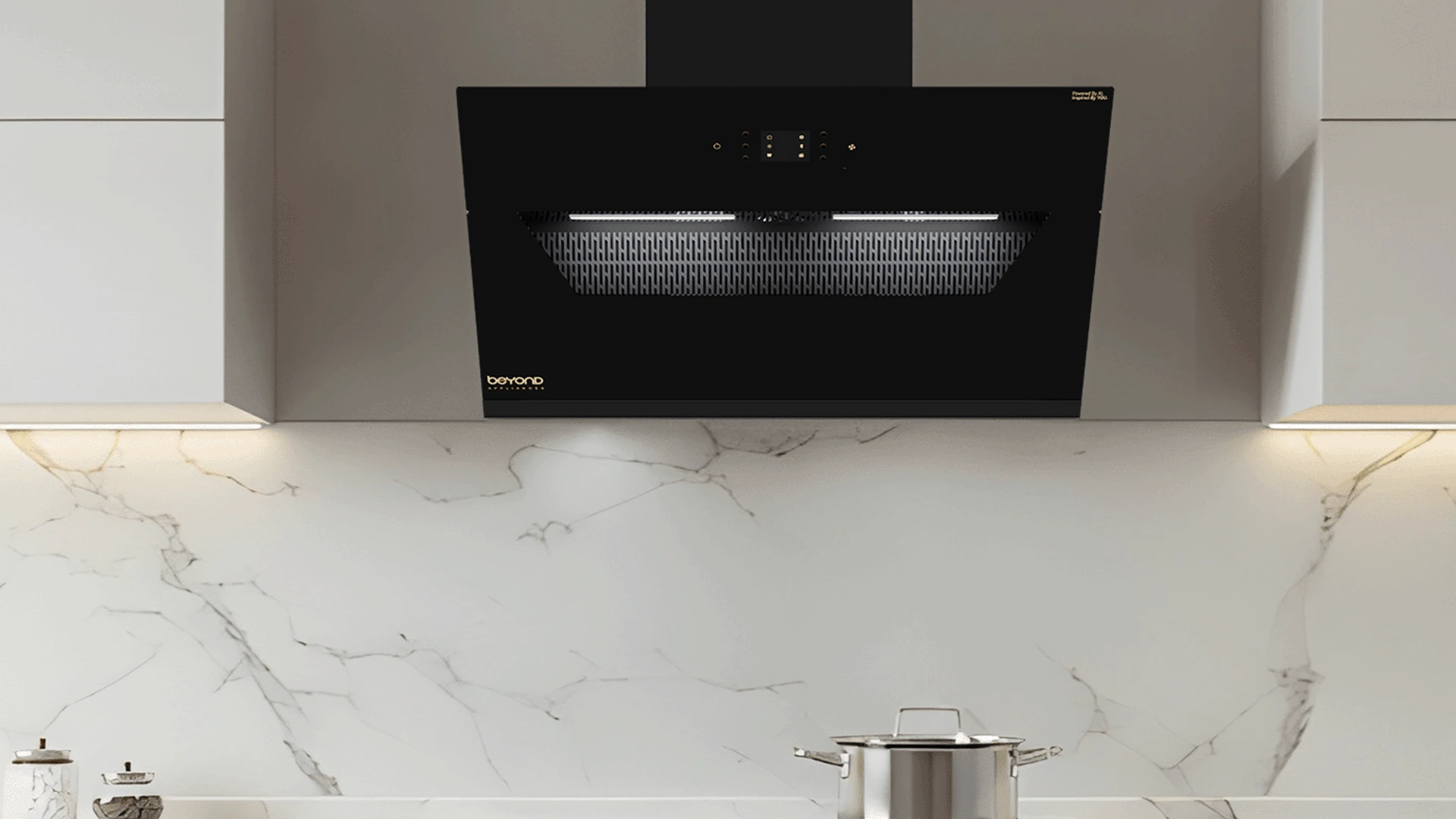
Cooking delicious meals brings joy to every home, but it also creates an invisible challenge that affects your kitchen's cleanliness and your family's health. Every time you fry, sauté, or grill, tiny grease particles and cooking fumes rise from your cooktop and settle on nearby surfaces. Your kitchen walls bear the brunt of this daily assault, gradually developing a sticky film that attracts dust, discolors paint, and creates an unhygienic environment. Understanding how kitchen chimneys work to combat this problem can transform your cooking experience and protect your investment in a beautiful kitchen.
Cooking generates more than just delicious aromas. When oils and fats heat up during cooking, they create microscopic particles that become airborne along with steam and smoke. These cooking fumes carry grease molecules that naturally rise with hot air and then settle on cooler surfaces like walls, cabinets, and ceilings. The science behind this process is straightforward. Heat causes oil molecules to vaporize and mix with air currents in your kitchen. Without proper kitchen ventilation, these particles have nowhere to go except onto your kitchen surfaces. Over time, this creates a sticky layer of kitchen grease that becomes increasingly difficult to remove.
Greasy walls don't just look unsightly. They create breeding grounds for bacteria and can significantly impact air quality in kitchen spaces. The accumulated grease traps dust, food particles, and other contaminants, making your kitchen less hygienic.
Without adequate protection, you'll find yourself repainting kitchen walls more frequently. The cost of cleaning supplies, paint, and labor adds up quickly when grease buildup becomes a recurring problem.
The answer is a resounding yes. A properly installed kitchen chimney can reduce wall grease accumulation by up to 95%. These powerful ventilation systems work by creating a strong suction force directly above your cooking surface, capturing grease particles, steam, and smoke before they can spread throughout your kitchen. Modern kitchen chimneys use advanced filtration technology to trap even the smallest oil particles. The suction mechanism pulls contaminated air through multiple filter layers, removing grease and returning clean air to your kitchen environment. This process happens continuously while you cook, providing real-time protection for your walls and surrounding surfaces.
Studies show that kitchens equipped with quality chimneys maintain significantly cleaner wall surfaces compared to those relying solely on natural ventilation or basic exhaust fans. The key lies in the chimney's ability to capture contaminants at their source.
While you'll notice cleaner air immediately after installation, the wall protection benefits become more apparent over weeks and months of regular cooking. Your clean kitchen walls will maintain their appearance much longer with proper chimney ventilation.
While protecting walls from grease is a primary function, kitchen chimney benefits extend far beyond surface cleanliness. These appliances create a more comfortable and healthier cooking environment for your entire family. Improved air quality in kitchen spaces means reduced exposure to cooking-related pollutants. This is particularly important for families with respiratory sensitivities or allergies. The constant removal of airborne particles creates a cleaner breathing environment during meal preparation. Odor elimination is another significant advantage. Strong cooking smells no longer linger in your kitchen or spread throughout your home. This benefit is especially valuable when preparing foods with potent aromas like fish, spices, or fried items.
Your kitchen cabinets, appliances, and decorative elements also benefit from reduced grease exposure. This protection helps maintain their appearance and extends their lifespan, preserving your kitchen's value.
Cooking becomes more enjoyable when you're not dealing with smoke, steam, and strong odors. Better visibility and air quality make meal preparation safer and more pleasant for healthy kitchen living.
Many homeowners wonder about the difference between a chimney for kitchen use and a traditional exhaust fan. While both provide ventilation, their effectiveness in protecting walls varies significantly. Kitchen chimneys offer superior grease capture efficiency, typically removing 85-95% of airborne particles compared to 40-60% for standard exhaust fans. This dramatic difference translates to much better wall protection and overall kitchen cleanliness. The targeted suction of chimneys focuses directly on the cooking area where most grease particles originate. Exhaust fans provide general room ventilation but may miss many contaminants before they settle on surfaces.
While chimneys require more complex installation than simple exhaust fans, their superior performance justifies the additional effort. Modern units operate quietly and efficiently, making them practical for daily use.
The initial investment in a quality chimney pays dividends through reduced cleaning costs, less frequent repainting, and better preservation of kitchen finishes.
Different types of kitchen chimneys offer varying levels of wall protection based on your kitchen layout and cooking habits. Understanding these options helps you choose the most effective solution for your specific needs. Wall-mounted chimneys provide excellent coverage for standard kitchen layouts. These units mount directly above your cooktop, creating optimal suction patterns for capturing grease and smoke. Their positioning allows for maximum efficiency in protecting nearby wall surfaces. Island chimneys work best in open kitchen designs where the cooking area sits away from walls. These units provide 360-degree protection, ensuring grease particles don't escape to settle on distant surfaces.
Baffle filter systems use stainless steel panels that change airflow direction multiple times, effectively separating grease particles from the air stream. These filters are dishwasher-safe and provide long-lasting performance.
Ducted chimneys exhaust contaminated air outside your home, providing maximum protection. Ductless models filter and recirculate air, offering good protection where external venting isn't possible.
Proper installation is crucial for achieving optimal wall protection from your chimney for kitchen use. The height positioning significantly impacts effectiveness, with most manufacturers recommending 24-30 inches above your cooktop surface. Size selection should cover your entire cooking area plus additional margin. A chimney that's too small won't capture all grease particles, allowing some to escape and settle on walls. Choose a width that extends at least 6 inches beyond each side of your cooktop. Ductwork design affects suction efficiency and overall performance. Minimize bends and use smooth, properly sized ducts to maintain optimal airflow. Poor ductwork can reduce effectiveness by up to 50%, compromising wall protection.
While some homeowners attempt DIY installation, professional setup ensures optimal performance and safety. Experienced installers understand local building codes and can optimize your system for maximum wall protection.
Incorrect height positioning, undersized units, and poor ductwork are the most common errors that reduce wall protection effectiveness. Avoiding these mistakes ensures your investment provides maximum benefit.
A properly installed and maintained kitchen chimney can reduce wall grease accumulation by 80-95%, significantly extending the time between deep cleanings and repainting. This dramatic reduction means your walls stay cleaner for months longer than kitchens without proper ventilation.
While chimneys dramatically reduce grease buildup, occasional light cleaning is still recommended for optimal kitchen hygiene and aesthetics. However, you'll find cleaning much easier and less frequent with proper chimney protection.
Choose a chimney width that covers your entire cooktop plus 6 inches on each side, with suction capacity of 10-12 times your kitchen's cubic footage per hour. This sizing ensures adequate capture of all cooking emissions.
Yes, modern chimneys effectively remove steam and moisture along with grease, preventing condensation damage to walls and cabinets. This comprehensive protection maintains your kitchen's structural integrity.
Clean baffle filters every 2-3 weeks and replace cassette filters every 3-6 months, depending on cooking frequency and food types. Regular maintenance ensures consistent wall protection performance.
Kitchen chimneys are effective for most cooking methods, with highest efficiency during high-heat cooking like frying, grilling, and stir-frying. Even gentle cooking benefits from the continuous air cleaning provided by quality chimney systems.
Kitchen chimneys provide exceptional protection for your walls against grease buildup while creating a healthier, more comfortable cooking environment. The investment in a quality chimney system pays dividends through reduced cleaning costs, better air quality, and preservation of your kitchen's appearance. With proper selection, installation, and maintenance, your chimney will keep your kitchen walls clean and your family healthy for years to come. The science is clear: modern kitchen ventilation technology offers the most effective solution for maintaining pristine kitchen surfaces while supporting your family's well-being.
