

How Chimneys Prevent Greasy Cabinet Buildup
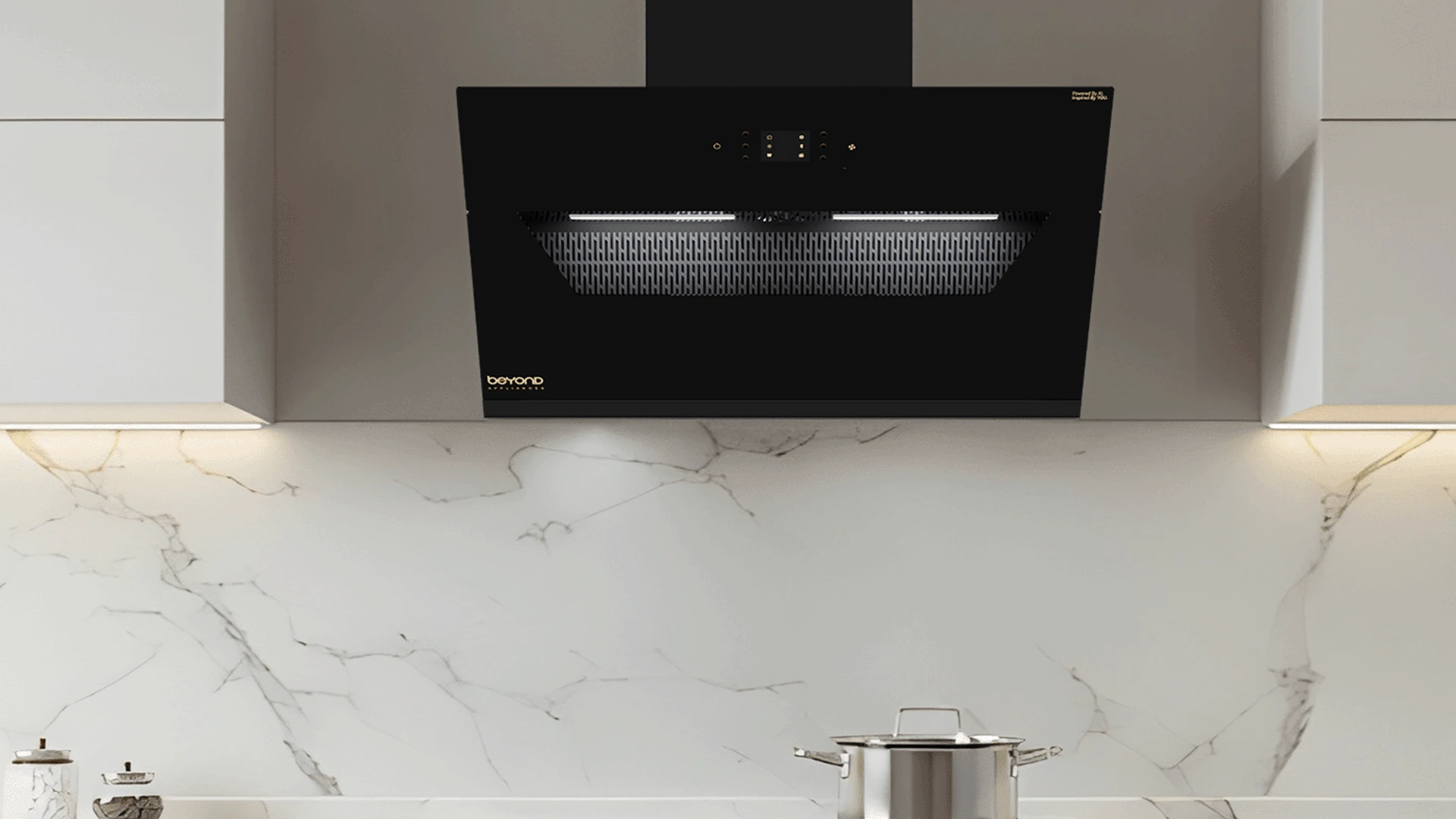
Cooking delicious meals at home brings joy, but the aftermath often leaves kitchen cabinets covered in a sticky, greasy film. This common problem affects millions of homeowners who struggle with oily deposits that seem to appear overnight. The good news is that modern kitchen ventilation solutions can dramatically reduce this issue. Understanding how grease travels through your kitchen air and settles on surfaces is the first step toward creating a cleaner, healthier cooking environment. With the right approach, you can enjoy cooking without worrying about constant cabinet cleaning or long-term damage to your kitchen surfaces.
When you cook, especially with oil-based methods like frying or sautéing, tiny grease particles become airborne. These microscopic droplets mix with steam and hot air, creating a greasy vapor that spreads throughout your kitchen. Without proper ventilation, this vapor settles on every surface, including your cabinets, walls, and appliances. Temperature plays a crucial role in this process. Hot cooking surfaces cause oils to vaporize more readily, while cooler cabinet surfaces act like magnets for these particles. The result is a gradual buildup that becomes harder to remove over time. High-heat cooking methods like deep frying or stir-frying produce the most airborne grease, making proper kitchen air quality management essential.
Yes, a well-functioning kitchen chimney significantly reduces kitchen grease accumulation on cabinets. Modern chimneys capture up to 90% of cooking vapors and grease particles before they can settle on surfaces. The powerful suction draws contaminated air directly from the cooking area, filtering out grease and expelling clean air. The effectiveness depends on proper installation and maintenance. A chimney positioned at the correct height with adequate suction power can reduce cabinet cleaning frequency by 70-80%. This translates to cleaner surfaces, less maintenance work, and better preservation of your kitchen's appearance.
While grease reduction is a primary advantage, kitchen chimney benefits extend far beyond cabinet protection. These appliances create a healthy kitchen environment by removing harmful cooking fumes, smoke, and odors that can affect indoor air quality. Regular exposure to cooking smoke has been linked to respiratory issues, making proper ventilation a health necessity. Chimneys also reduce heat buildup in your kitchen, making cooking more comfortable during hot weather. They protect other appliances from grease damage and help maintain the overall cleanliness of your cooking space. The improved air circulation prevents moisture buildup that can lead to mold growth in poorly ventilated kitchens.
When comparing chimney vs exhaust fan effectiveness, chimneys consistently outperform traditional exhaust fans in grease prevention. Chimneys offer superior suction power, typically ranging from 400 to 1200 CFM (Cubic Feet per Minute), while standard exhaust fans usually provide only 100-300 CFM. The positioning advantage of chimneys also matters significantly. Installed directly above the cooking surface, they capture grease at the source before it can spread. Exhaust fans mounted on walls or ceilings often miss the initial grease plume, allowing particles to settle on nearby surfaces.
Selecting the best chimney for oil prevention requires understanding your kitchen's specific needs. The suction capacity should match your cooking habits and kitchen size. For heavy cooking with frequent frying, choose models with higher CFM ratings and robust filter systems. Filter technology plays a crucial role in grease capture. Baffle filters excel at separating grease from air through multiple deflection layers. Cassette filters offer easy maintenance but may require more frequent replacement. Charcoal filters in ductless models help with odor control but need regular replacement for optimal performance. Ducted chimneys generally provide better grease removal since they expel contaminated air outside. Ductless models recirculate filtered air, which can be effective but requires diligent filter maintenance. Consider your kitchen layout and installation possibilities when choosing between these options.
Proper installation height is critical for effective grease capture. Mount your chimney 24-30 inches above gas cooktops and 20-24 inches above electric surfaces. This positioning ensures optimal suction without interfering with cooking activities. The chimney should cover the entire cooking surface with some overlap. For a 4-burner cooktop, choose a chimney that's at least 60cm wide. Proper ducting with minimal bends ensures maximum airflow efficiency and grease removal capability.
While chimneys are highly effective, combining them with other cabinet grease prevention strategies maximizes results. Apply protective coatings to cabinet surfaces that make cleaning easier and prevent grease absorption. Semi-gloss or satin paint finishes resist grease better than flat paints. Modify your cooking techniques to minimize grease splatter. Use splatter screens when frying, maintain moderate heat levels, and cover pots when possible. These simple changes can reduce the amount of airborne grease by 30-40%, even with a chimney running. Regular maintenance schedules prevent grease buildup from becoming overwhelming. Weekly cleaning of visible surfaces and monthly deep cleaning of cabinet fronts keeps grease from becoming permanently embedded in materials.
For existing grease buildup, cleaning greasy cabinets requires the right approach and products. Degreasers specifically designed for kitchen use work better than general cleaners. Mix warm water with dish soap for regular maintenance, or use commercial degreasers for heavy buildup. Prevention through proper ventilation is always more cost-effective than remediation. A quality chimney can reduce your cabinet cleaning time by 60-70%, saving both effort and cleaning product costs over time.
Track your progress by monitoring cleaning frequency and surface condition. With an effective chimney, you should notice reduced grease accumulation within 2-3 weeks of installation. Cabinet surfaces will feel less sticky, and you'll need to clean them less frequently. Document the time spent on kitchen cleaning before and after chimney installation. Most homeowners report 50-70% reduction in cleaning time once their ventilation system is working properly. This time savings translates to significant convenience and cost benefits over the appliance's lifetime. Long-term indicators include better preservation of cabinet finishes, reduced need for repainting, and improved overall kitchen hygiene. These benefits often justify the initial investment in quality ventilation equipment.
Most homeowners notice reduced grease accumulation within 2-3 weeks of proper chimney installation and use. The difference becomes more apparent over time as you compare cleaning frequency to pre-installation periods.
While chimneys significantly reduce grease accumulation, they typically capture 85-95% of cooking vapors. Some minimal buildup may still occur, especially during heavy cooking sessions, but the reduction is substantial enough to dramatically decrease cleaning requirements.
Regular filter cleaning or replacement is essential. Baffle filters should be cleaned monthly, while cassette and charcoal filters need replacement every 3-6 months depending on usage. Clean the chimney exterior weekly and have professional servicing annually.
High-heat cooking methods like frying, grilling, and stir-frying benefit most from chimney installation. Even low-heat cooking produces some grease particles, so all cooking styles see improvement, though the degree varies based on oil usage and cooking temperature.
Signs of inadequate ventilation include frequent grease buildup on cabinets, persistent cooking odors, visible smoke during cooking, and condensation on windows or walls. If you're cleaning cabinet surfaces weekly or more often, your ventilation likely needs improvement.
Kitchen chimneys are highly effective tools for preventing greasy cabinet buildup, capturing up to 90% of cooking vapors before they can settle on surfaces. The combination of proper installation, adequate suction power, and regular maintenance creates a cleaner, healthier kitchen environment. While chimneys are the most effective solution, combining them with smart cooking practices and protective measures maximizes grease reduction. The investment in quality ventilation pays dividends through reduced cleaning time, better cabinet preservation, and improved air quality. Choose a chimney that matches your cooking habits and kitchen size, maintain it properly, and enjoy the benefits of a grease-free kitchen environment.
