

How Chimney Filters Improve Your Kitchen's Air Quality
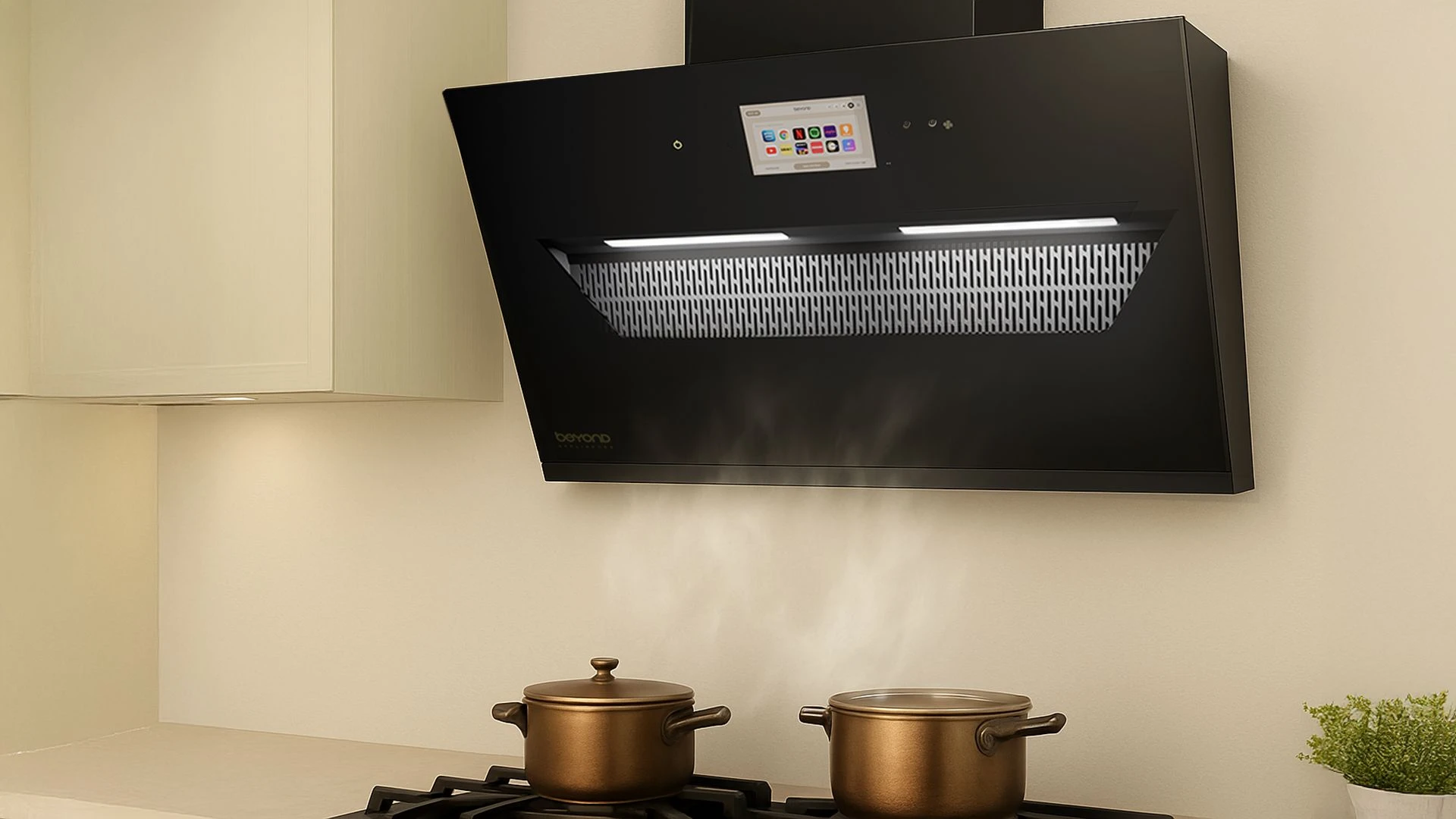
Your kitchen is the heart of your home, but it can also be a major source of indoor air pollution. Every time you cook, you release grease particles, smoke, and odors into the air. These pollutants don't just disappear—they linger, affecting your family's health and comfort. A quality chimney filter acts as your kitchen's first line of defense, transforming your cooking space into a cleaner, healthier environment. Understanding how these filters work can help you make better choices for your home's air quality.
Kitchen air quality goes far beyond what you can see or smell. When you cook, your kitchen becomes a hotspot for various airborne pollutants that can impact your family's health.
Cooking releases multiple types of harmful particles into your kitchen air. Grease particles from frying create a sticky film on surfaces and float in the air you breathe. Smoke from high-heat cooking contains fine particles that can irritate your respiratory system. Nitrogen dioxide from gas stoves can reach levels that exceed outdoor air quality standards.
Poor indoor air quality in kitchens can trigger asthma attacks and worsen allergies. Long-term exposure to cooking fumes has been linked to respiratory problems and cardiovascular issues. Children and elderly family members are particularly vulnerable to these air pollution effects.
Chimney filters work through a multi-stage process that dramatically improves your kitchen's air quality. Understanding this process helps you appreciate why investing in quality filtration matters.
When you turn on your chimney, it creates suction that pulls contaminated air through specialized filters. **Baffle filters** trap grease particles using curved metal plates that force air to change direction multiple times. This process separates heavy grease from the airstream through centrifugal force.
Effective kitchen air purification requires proper air circulation patterns. Your chimney filter doesn't just remove pollutants—it helps establish airflow that prevents cooking fumes from spreading throughout your home. This circulation ensures that contaminated air gets filtered before it can settle on surfaces or move to other rooms.
Studies show that properly functioning chimney filters can reduce airborne grease particles by up to 95%. Smoke levels drop significantly within minutes of turning on an effective filtration system. These improvements are measurable and make a real difference in your daily cooking experience.
Investing in quality chimney filter benefits extends far beyond basic air cleaning. These systems provide comprehensive advantages that improve your entire kitchen experience.
The moment you start cooking with an effective chimney filter, you'll notice cleaner air and reduced odors. Smoke clears faster, and cooking smells don't linger for hours. Your kitchen feels fresher and more comfortable during meal preparation.
Consistent use of chimney filters creates a **healthy kitchen** environment that protects your family's respiratory health. Reduced exposure to cooking fumes means fewer allergy triggers and cleaner air for everyone to breathe. This is especially important for families with young children or elderly members.
Effective kitchen ventilation prevents grease buildup on walls, cabinets, and appliances. This protection saves you money on cleaning products and reduces the frequency of deep cleaning sessions. Your kitchen maintains its appearance longer and requires less maintenance overall.
Choosing the right chimney filter types makes a significant difference in your kitchen's air quality performance. Each filter type offers unique advantages for different cooking styles and kitchen layouts.
**Baffle filters** represent the gold standard in grease filtration. These stainless steel filters use curved channels to trap grease particles effectively. They're dishwasher-safe and provide excellent **chimney effectiveness** for heavy cooking. Baffle filters work well with gas stoves and high-heat cooking methods.
Mesh filters offer affordable filtration for light cooking needs. While they require more frequent cleaning than baffle filters, they provide adequate protection for occasional cooking. These filters work best in kitchens with minimal grease production.
Charcoal or carbon filters excel at eliminating cooking odors from your kitchen air. They're essential for ductless chimney systems and provide excellent odor absorption. However, these filters need regular replacement to maintain effectiveness.
Proper installation and maintenance are crucial for achieving optimal air quality improvement in your kitchen. Following best practices ensures your chimney filter performs at peak efficiency.
Position your chimney at the correct height above your cooktop—typically 24-30 inches for gas stoves and 20-24 inches for electric cooktops. Ensure the chimney width matches or exceeds your cooking surface width for maximum capture efficiency. Professional installation ensures proper ducting and electrical connections.
Clean baffle filters monthly with warm, soapy water or in your dishwasher. Replace charcoal filters every 3-6 months depending on cooking frequency. Check and clean the chimney's internal components quarterly to maintain optimal performance.
Watch for reduced suction power, increased cooking odors, or visible grease buildup on kitchen surfaces. These signs indicate your filter needs cleaning or replacement. Don't wait until performance degrades significantly—regular maintenance prevents problems.
Clean baffle filters monthly and replace charcoal filters every 3-6 months. Heavy cooking may require more frequent cleaning to maintain peak performance.
Ducted chimneys vent air outside through ducts, while ductless systems filter and recirculate air back into the kitchen. Ducted systems provide better air quality improvement but require external venting.
Quality chimney filters with charcoal components can eliminate most cooking odors. However, extremely strong odors may require additional ventilation or longer operation times.
You'll notice reduced cooking odors, less visible smoke, and minimal grease buildup on kitchen surfaces. The air feels cleaner and fresher during and after cooking.
Choose a chimney width that matches or exceeds your cooktop width. Consider your kitchen size and cooking habits—larger kitchens and heavy cooking require more powerful filtration systems.
Chimney filters play a vital role in maintaining healthy indoor air quality in your kitchen. They remove harmful pollutants, eliminate odors, and create a more comfortable cooking environment. Choosing the right filter type and maintaining it properly ensures optimal performance and long-term benefits. Investing in quality filtration protects your family's health while preserving your kitchen's cleanliness and appearance. Regular maintenance and proper installation maximize these benefits, making your kitchen a truly healthy space for cooking and gathering.
