

How Baffle Filters Work: Kitchen Ventilation Guide
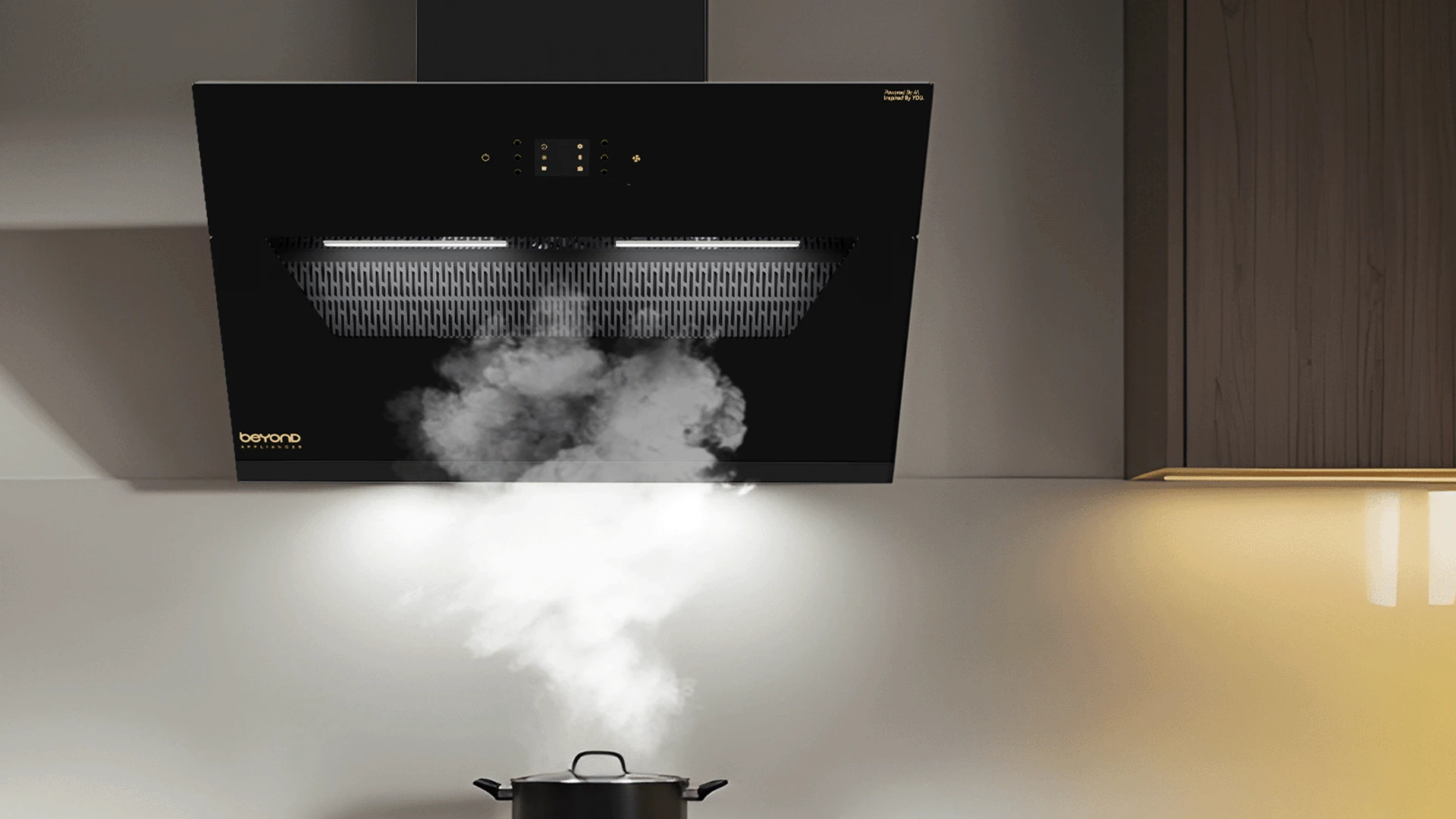
Modern kitchens demand effective ventilation systems to maintain air quality and remove cooking odors. Among the various filtration technologies available, baffle filters stand out as one of the most efficient solutions for grease removal and air filtration. These sophisticated components play a crucial role in kitchen ventilation systems, particularly in range hoods and commercial kitchen exhaust systems. Understanding how these filters work helps homeowners make informed decisions about their kitchen ventilation needs and maintain optimal air quality in their cooking spaces.
A baffle filter is a specialized grease filter designed with angled metal plates that create a maze-like pathway for air and grease particles. Unlike simple mesh filters, baffle filters use advanced engineering principles to separate grease from cooking vapors through directional changes in airflow. These filters are commonly found in high-quality range hoods and commercial kitchen exhaust systems. The importance of proper kitchen ventilation cannot be overstated. Cooking generates steam, smoke, grease particles, and odors that can accumulate in your kitchen and spread throughout your home. Without effective filtration, these contaminants can settle on surfaces, create unpleasant odors, and even pose health risks. Baffle filters address these concerns by efficiently capturing grease particles while allowing clean air to pass through.
Baffle filters offer several advantages over traditional mesh or disposable filters. They provide superior grease removal efficiency, typically capturing 85-95% of grease particles. These filters are also washable and reusable, making them environmentally friendly and cost-effective in the long run. Additionally, baffle filters maintain consistent performance even when partially loaded with grease, unlike mesh filters that can become clogged quickly.
The baffle filter working explained involves understanding the physics of airflow and particle separation. When cooking vapors enter the filter, they encounter a series of angled metal plates or baffles. These baffles force the air to change direction multiple times as it passes through the filter system. During these directional changes, heavier grease particles cannot follow the airflow path due to their momentum and weight. Instead, they collide with the baffle surfaces and slide down into collection channels. This process, known as impaction and interception, effectively separates grease from the air stream while allowing clean air to continue through the kitchen exhaust system.
The filtration occurs in multiple stages as air moves through the baffle system. Initial baffles capture larger grease droplets, while subsequent stages remove finer particles. This progressive filtration ensures maximum grease removal efficiency while maintaining optimal airflow rates.
Captured grease flows down specially designed drainage channels into collection areas at the bottom of the filter. This design prevents grease accumulation on filter surfaces and maintains consistent performance over time.
Modern baffle filters are typically constructed from high-grade stainless steel or aluminum alloy materials. These materials resist corrosion, withstand high temperatures, and maintain structural integrity under continuous use. The choice of material affects both performance and durability of the range hood filter system. The engineering of baffle angles is critical to filter performance. Most effective designs use angles between 45-60 degrees, optimized for maximum grease capture while minimizing airflow resistance. The spacing between baffles is equally important, typically ranging from 10-15mm to ensure proper particle separation without creating excessive pressure drop.
High-quality baffle filters feature welded seams rather than mechanical joints, preventing grease leakage and ensuring long-term durability. Reinforced frames provide structural stability, while smooth surface finishes facilitate easy cleaning and prevent grease adhesion.
Baffle filters come in various sizes to accommodate different hood filter requirements. Standard residential sizes range from 200mm to 600mm in width, while commercial applications may require custom dimensions. Proper sizing ensures optimal performance and easy maintenance access.
When comparing filtration technologies, baffle filters demonstrate superior performance in several key areas. Traditional mesh filters, while less expensive initially, require frequent replacement and offer lower grease removal efficiency. Mesh filters also tend to clog quickly, reducing airflow and requiring more frequent maintenance. Charcoal filters excel at odor removal but provide minimal grease filtration. They work best as secondary filters in recirculating systems rather than primary grease removal devices. Disposable filters offer convenience but generate ongoing costs and environmental waste, making them less suitable for regular cooking activities.
In commercial kitchen environments, baffle filters are often the preferred choice due to their durability and high-capacity grease removal capabilities. They can handle the intense cooking loads typical in restaurant settings while maintaining consistent performance throughout busy service periods.
For home kitchens, baffle filters provide restaurant-quality filtration performance. They handle heavy cooking sessions effectively and require less frequent maintenance than alternative filter types, making them ideal for serious home cooks.
Proper installation ensures optimal baffle filter performance and longevity. Filters should be installed with drainage channels positioned to direct grease flow away from cooking surfaces. Secure mounting prevents vibration and ensures consistent contact between filter elements. Regular filter cleaning maintains performance and extends filter life. Most baffle filters can be safely cleaned in dishwashers using standard detergent and hot water cycles. For heavily soiled filters, pre-soaking in degreasing solution improves cleaning effectiveness.
Cleaning frequency depends on cooking habits and filter capacity. Heavy cooking requires monthly cleaning, while moderate use may extend intervals to 6-8 weeks. Visual inspection helps determine when cleaning is needed, as grease accumulation becomes visible on filter surfaces.
While homeowners can perform routine cleaning, professional maintenance ensures optimal system performance. Technicians can inspect mounting hardware, check drainage systems, and verify proper airflow rates during service visits.
Baffle filters should be cleaned every 4-6 weeks for average cooking use, or monthly for heavy cooking. Visual inspection helps determine the exact timing based on grease accumulation.
Yes, most stainless steel baffle filters are dishwasher-safe. Use standard detergent and hot water cycles for effective cleaning. Remove excess grease before dishwasher cleaning for best results.
High-quality baffle filters can last 10-15 years with proper maintenance. The stainless steel construction resists wear and corrosion, making them a long-term investment in kitchen ventilation.
Proper function is indicated by effective grease capture, consistent airflow, and minimal cooking odors in the kitchen. Reduced performance may indicate cleaning needs or potential damage.
Baffle filters generally offer superior grease removal efficiency, longer service life, and better performance under heavy cooking loads compared to mesh filters.
Basic filter replacement is typically a DIY task, but initial installation may require professional assistance to ensure proper mounting and drainage configuration.
Baffle filters represent advanced air filtration technology that significantly improves kitchen ventilation performance. Their sophisticated design efficiently separates grease from cooking vapors while maintaining optimal airflow rates. Understanding how these filters work helps homeowners appreciate their value and maintain them properly for long-term performance. With proper installation and regular maintenance, baffle filters provide years of reliable service, making them an excellent investment for any serious cooking environment.
